Broadloom Carpet vs Carpet Tiles: A Commercial Performance Comparison
In commercial environments — corporate headquarters, healthcare facilities, hospitality lobbies, and high-traffic open offices — flooring is never just an aesthetic decision. It is a performance investment that affects durability, acoustic comfort, maintenance overhead, and total lifecycle cost. For interior designers, procurement managers, and workspace planners, the choice between broadloom carpet and carpet tiles shapes not only how a space looks on day one, but how it performs on year five.
Broadloom, woven or tufted in wide continuous rolls, delivers a seamless, luxurious surface prized in executive suites and boardrooms. Carpet tiles — modular squares typically 50x50cm or 60x60cm — offer engineered flexibility, simplified logistics, and localized serviceability. Understanding where each excels is essential to specifying the right contract flooring solution.
Visual Design & Aesthetic Versatility
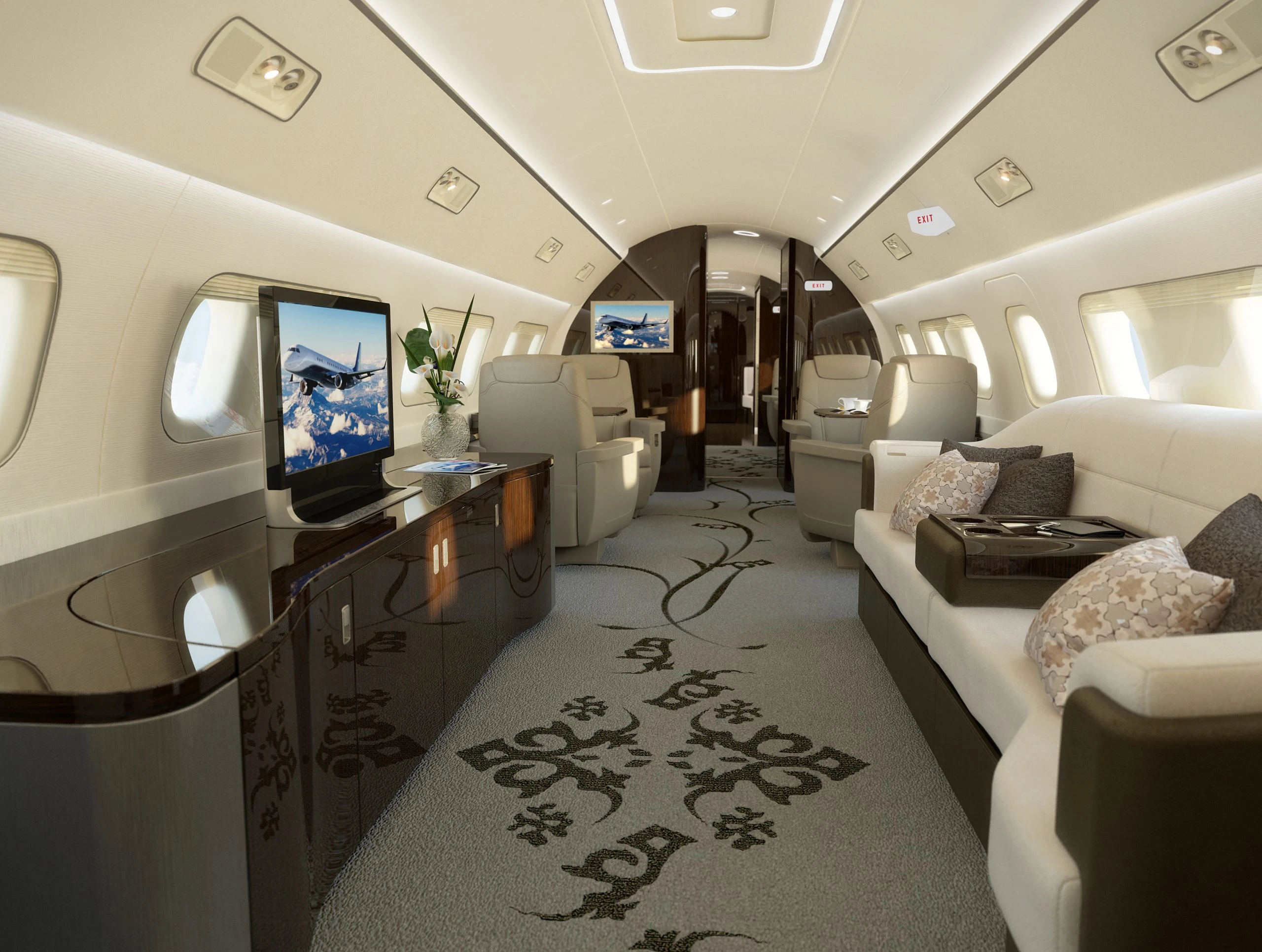
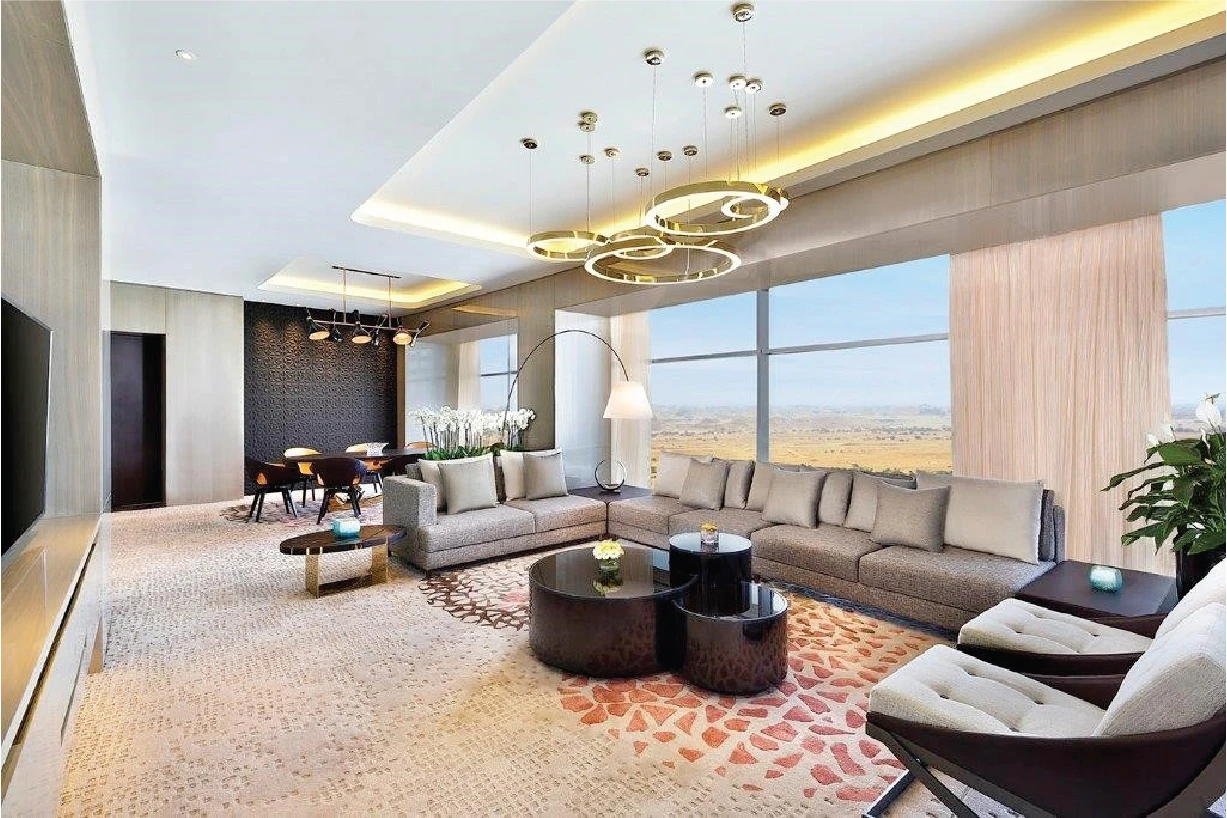
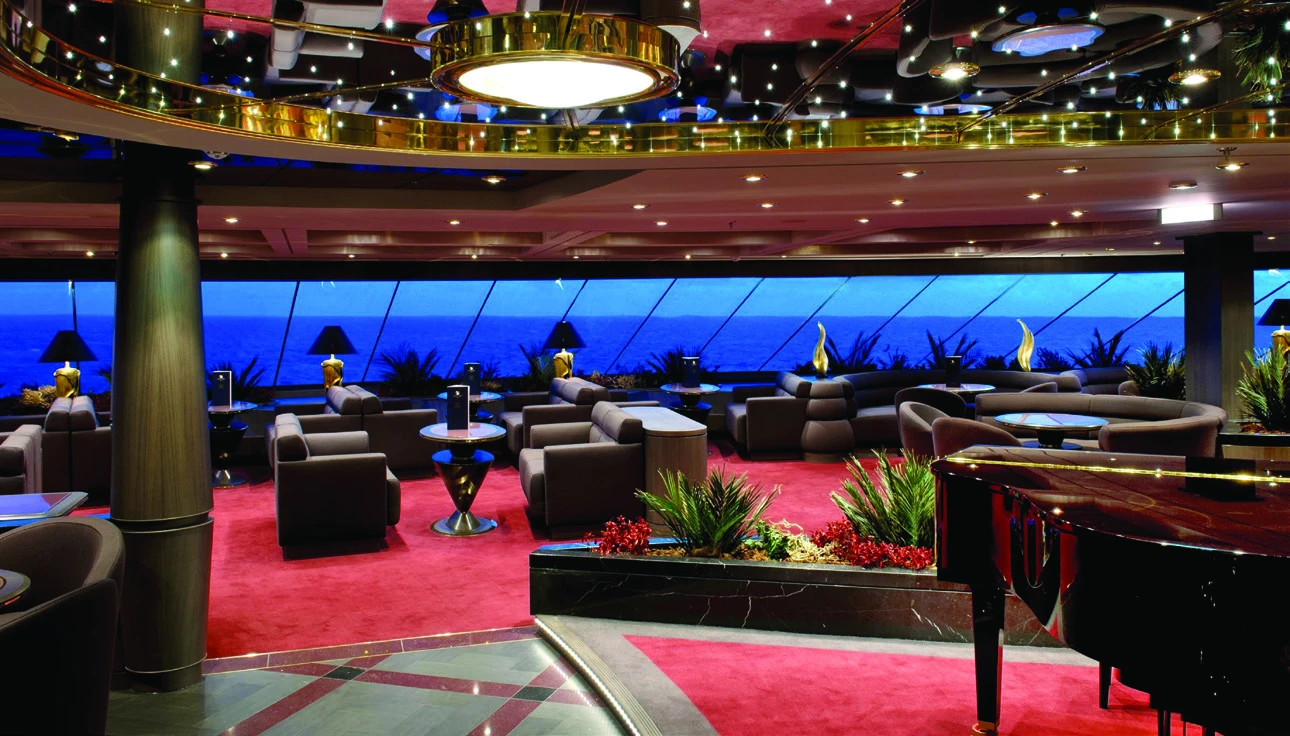
Broadloom's uninterrupted surface allows large-scale patterns, subtle color washes, and a monolithic, high-end appearance that seams simply cannot replicate. It remains the preferred choice where visual continuity signals prestige — think executive corridors and hospitality suites.
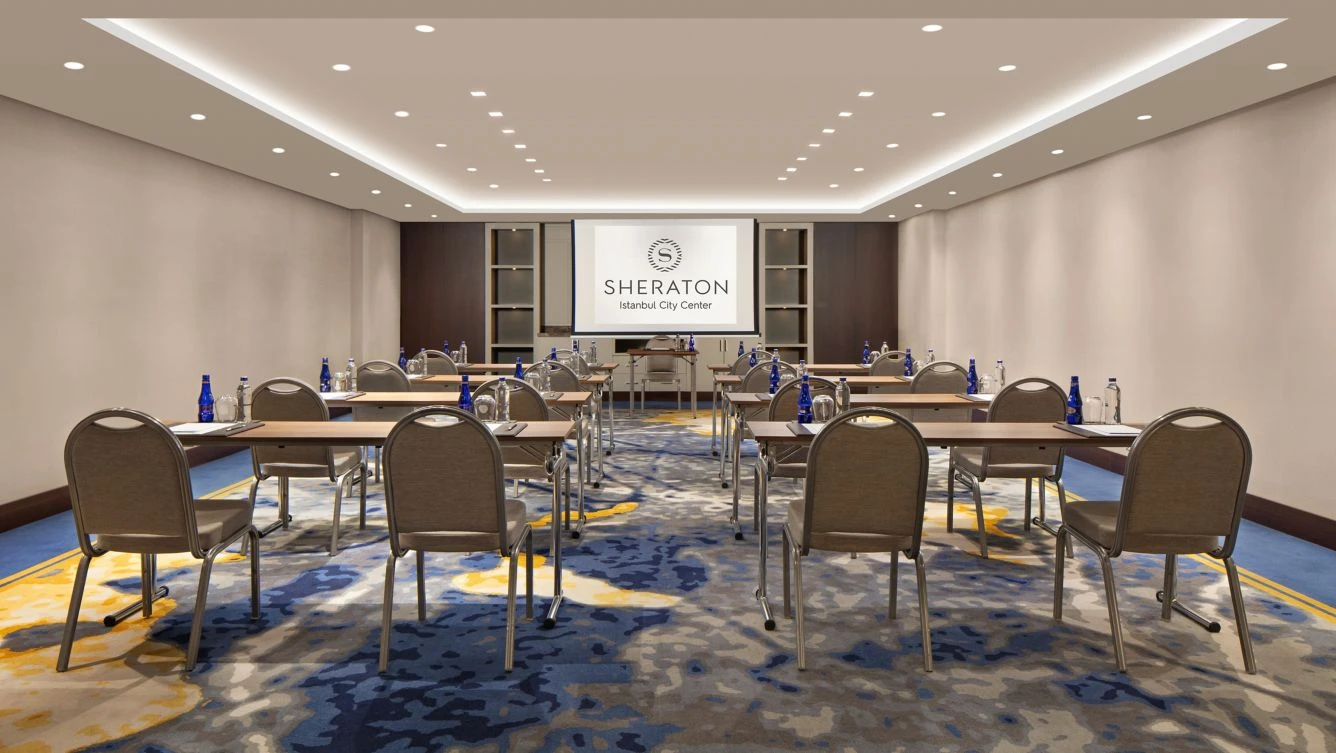
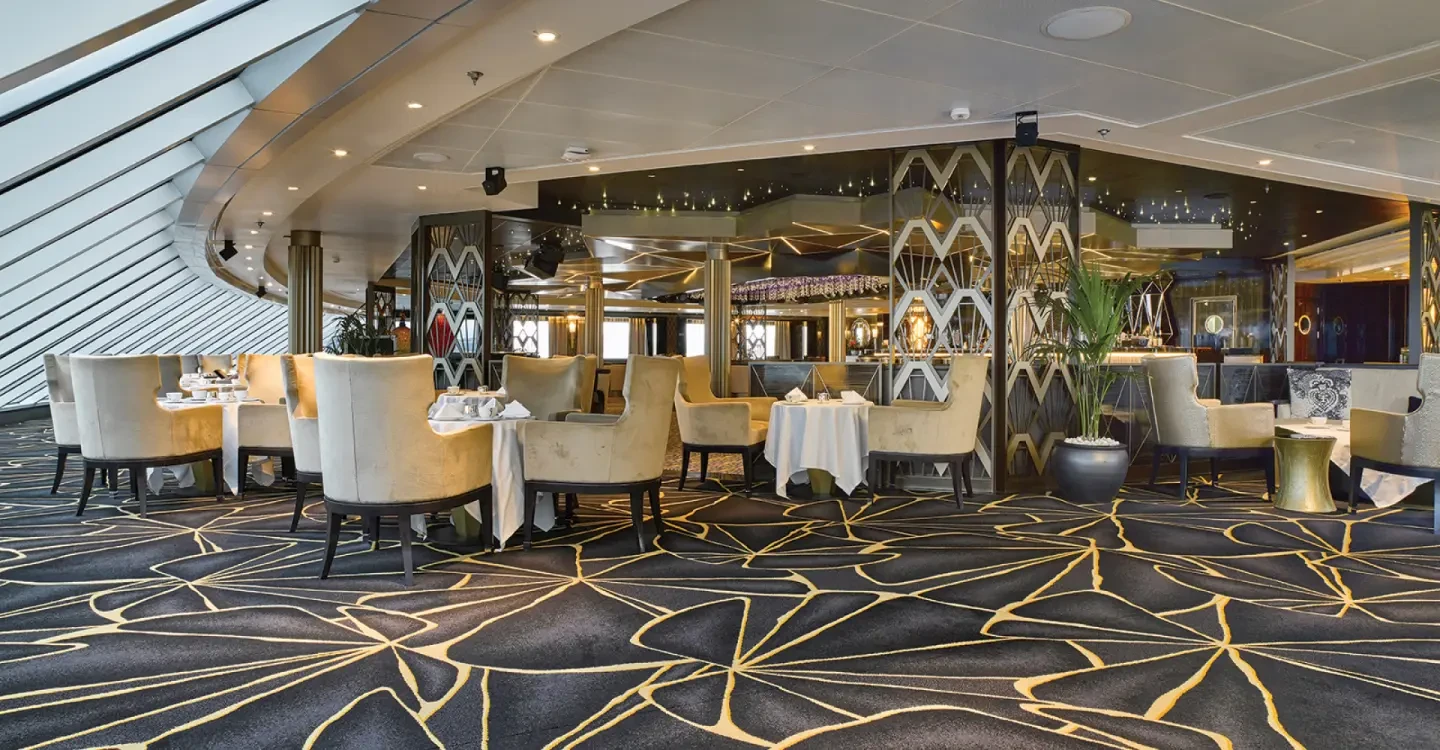
Carpet tiles, by contrast, unlock design flexibility that broadloom cannot match. Designers can combine multiple colorways, create wayfinding cues, and define zoning — collaboration zones, walkways, and quiet rooms — using contrasting tile patterns within a single open-plan floor.
Durability & High-Traffic Performance
High-traffic commercial floors endure constant rolling office chairs, concentrated foot traffic at doorways and hallways, and frequent spills. Broadloom, especially in solution-dyed nylon constructions, offers strong fiber-level stain and fade resistance, but wear tends to distribute unevenly, with matting and traffic lanes appearing over time in heavy-use corridors.
Carpet tiles typically feature a reinforced, dimensionally stable backing — often modified bitumen or fiberglass-reinforced composite — that resists castor chair damage, curling, and delamination far better than soft-backed broadloom. This engineered backing structure also allows tiles to be rotated or reversed within a bay to redistribute wear, extending usable life in the busiest zones of a facility.
Maintenance, Local Repair & Lifecycle Cost
This is where the two systems diverge most sharply for facilities teams. A stain, burn, or water-damaged section of broadloom typically requires patching by a skilled installer, re-stretching, and seam-matching — a labor-intensive process that often leaves a visible repair and takes the affected area out of service for hours.
Carpet tiles solve this with attic stock: a reserved inventory of matching tiles kept on-site. A damaged tile can be lifted and replaced in minutes, with zero disruption to surrounding flooring and no specialized labor required. Over a 10-15 year lifecycle, this localized repair capability significantly lowers total cost of ownership, particularly in facilities with 24/7 occupancy where downtime is costly.
Acoustic Performance & Corporate Comfort
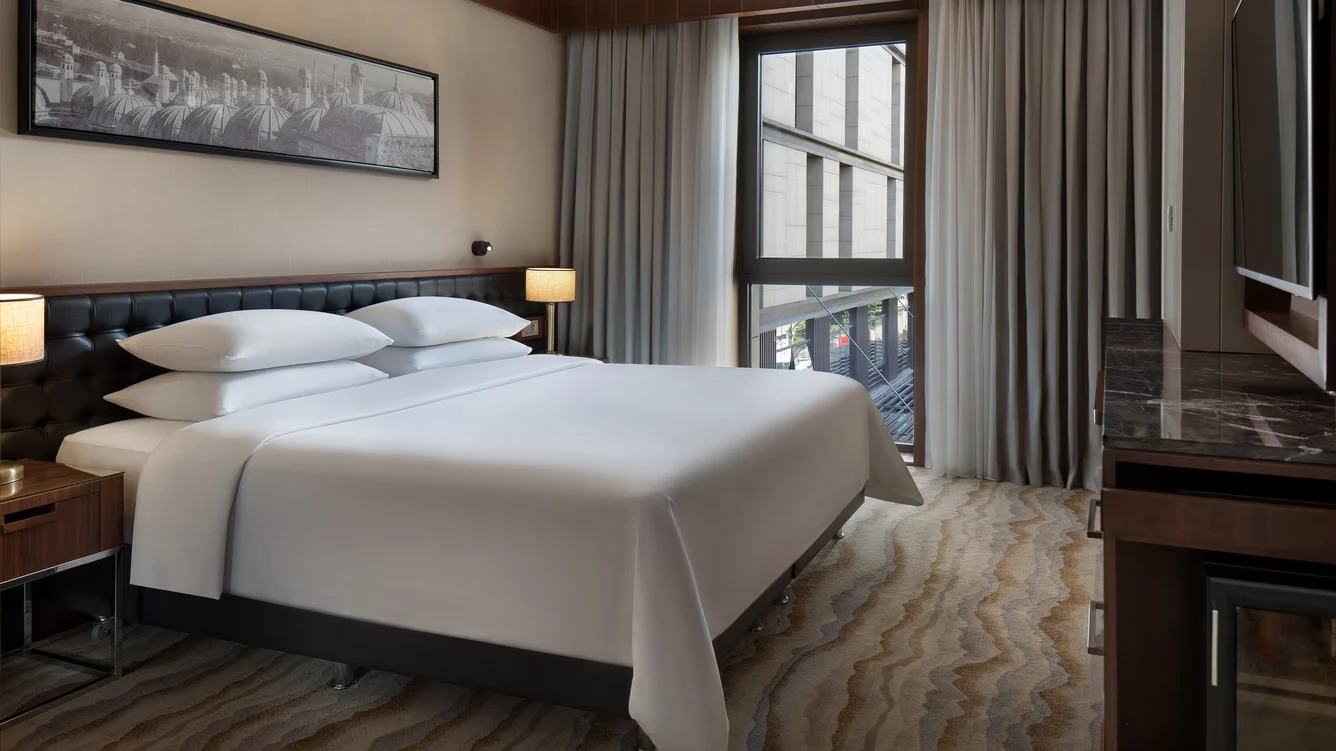
Open-plan offices amplify the need for effective impact sound reduction. Both broadloom and carpet tiles outperform hard surfaces acoustically, but construction matters. Broadloom with a dense cushion-backed underlay typically delivers superior sound absorption and underfoot comfort across large open areas. High-performance carpet tiles with acoustic-backed felt or foam layers can approach comparable Impact Insulation Class (IIC) ratings, making them a viable acoustic solution for collaborative workspaces without sacrificing modularity.
Summary Matrix
Decision Guide & Conclusion
Choose Broadloom when:
-
The space prioritizes a seamless, luxury aesthetic (executive offices, hospitality, boardrooms)
-
Acoustic performance and underfoot softness are top priorities
-
Traffic patterns are moderate rather than continuous
Choose Carpet Tiles when:
-
The facility demands rapid, low-disruption repairs and long-term attic stock strategy
-
Zoning, wayfinding, or multi-color design schemes are required
-
The project timeline and budget are sensitive to installation waste and downtime
-
High-traffic zones (lobbies, corridors, call centers) require durable, rotatable flooring
Both systems have a legitimate place in a well-specified commercial interior — and often, the right answer is a hybrid approach: broadloom in prestige areas, carpet tiles in high-traffic and collaborative zones. The right specification depends on your facility's traffic profile, maintenance capacity, and design goals.
Ready to specify the right commercial flooring system for your project? Speak to a Product Expert at Flooring Solutions today and get tailored guidance on broadloom, modular tile systems, and lifecycle cost planning: https://contempocarpets.com/