The Ultimate Guide to B2B Commercial Carpet Specifications
Specifying carpet for a commercial project is nothing like choosing carpet for a home. A residential buyer can rely on personal taste and a showroom sample. An architect or interior designer working on an office tower, hotel, hospital, or corporate campus has to account for foot traffic patterns, fire codes, acoustic requirements, maintenance budgets, and long-term durability often years before the building ever opens its doors.
That's where commercial carpet specifications come in. A well-written spec protects the design intent, keeps the project compliant with building codes, and gives facility managers a flooring system that performs for a decade or more. A poorly written one leads to change orders, warranty disputes, and carpet that looks worn out within eighteen months of installation.
This guide breaks down exactly what belongs in a commercial carpet spec, why each element matters, and how to avoid the mistakes that trip up even experienced design teams. Whether you're drafting your first carpet spec guide for a mixed-use development or refining custom contract carpet specs for a hospitality flagship, this article is built to be a practical reference you can return to project after project.
What Are Commercial Carpet Specifications?
Commercial carpet specifications are the detailed technical requirements that define exactly what a carpet product must be and how it must perform before it's approved for a commercial installation. Unlike a simple product description, a specification typically covers fiber content, construction method, backing system, weight measurements, fire and safety ratings, and installation requirements, all written in a format that can be referenced in bid documents, submittals, and contracts.
In practice, specifications live inside the broader architectural specification, usually organized under Division 09 Finishes of the MasterFormat construction specification system used across the U.S. building industry. Architects and designers write or reference these specs so that every bidder from the flooring contractor to the general contractor is pricing and installing the exact same product, not a "close enough" substitute.
For contract carpet used in commercial buildings, specifications aren't optional paperwork. They're the mechanism that ties design intent to real-world performance, and they're what a facilities team will point to years later if a product fails to hold up.
Why Specifications Matter in Commercial Projects
A commercial floor sees a different life than a residential one. Office corridors, hotel lobbies, hospital wings, and retail floors absorb rolling loads, spills, constant foot traffic, and in many buildings code-mandated fire and slip-resistance requirements that simply don't apply at home.
Specifications matter for several concrete reasons:
-
Liability and code compliance. Fire ratings and slip-resistance requirements often aren't optional; they're tied to occupancy type and local building codes.
-
Budget protection. A precise spec prevents contractors from substituting a cheaper, lower-performing product after bidding closes.
-
Design consistency. On multi-phase projects, specs ensure the carpet installed in year three matches what was approved in year one.
-
Long-term performance. The right pile weight, construction, and backing system directly determine how long a floor covering will look presentable under heavy use.
-
Facility management planning. A clear spec tells the building's operations team what maintenance program the flooring actually requires.
Without a defined specification, commercial flooring decisions default to whatever is cheapest or most readily available which rarely aligns with the durability or aesthetic goals of the original design.
Essential Technical Specifications Every Architect Should Review
A complete commercial carpet specification touches on several interrelated technical categories. Reviewing each one individually helps ensure nothing gets overlooked during submittal review.
Fiber Type
Fiber content determines how a carpet resists wear, staining, and crushing over time. Nylon remains the most common choice for high-traffic commercial flooring because of its resilience and ability to bounce back from compression. Solution-dyed nylon adds superior fade and stain resistance, which matters in sunlit lobbies or areas cleaned with harsher chemicals. Polyester and triexta fibers offer strong stain resistance at a lower cost but generally show wear faster in heavy-traffic zones like elevator lobbies or main corridors. Wool and wool-blend fibers still appear in high-end hospitality and corporate settings for their look and feel, though they typically come at a premium and require more careful maintenance planning.
Construction
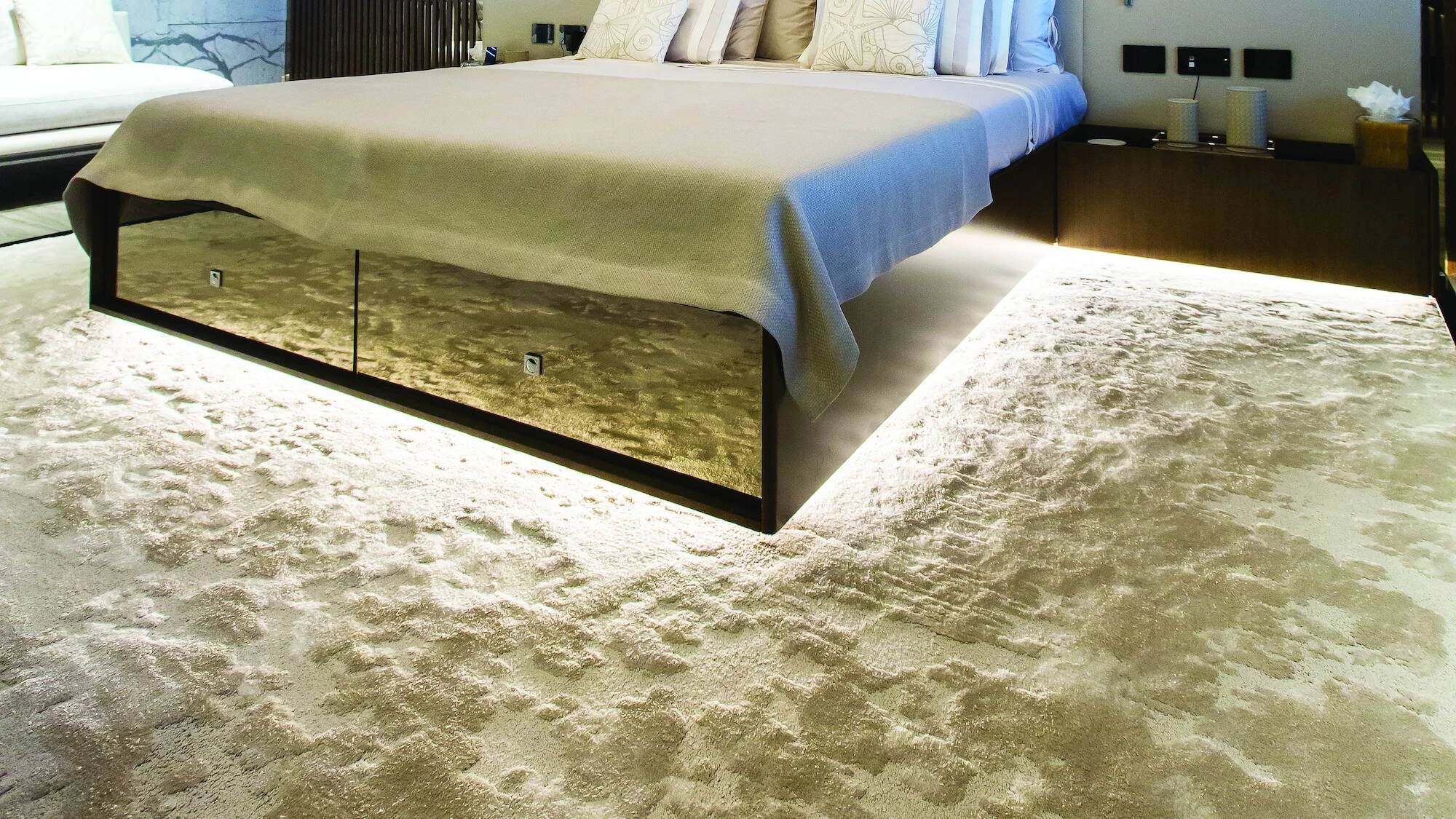
Construction refers to how the fibers are attached to the carpet's primary backing. Common commercial constructions include tufted loop pile, cut pile, and pattern loop, each suited to different traffic and design needs. Loop pile constructions tend to hide foot traffic and rolling-load marks better, making them a frequent choice for corridors and open office floor plans, while cut pile offers a softer, more residential-feeling texture better suited to executive suites or hospitality guest rooms.
Backing System
The backing system affects dimensional stability, moisture resistance, and how well the carpet lies flat over time. Commercial installations commonly use fusion-bonded, unitary, or modular tile backings depending on whether the product is broadloom or carpet tile. Modular carpet tile backings, in particular, have become popular in commercial interiors because they simplify replacement of damaged sections without re-carpeting an entire floor.
Pile Weight
Pile weight measures the amount of fiber (by weight) per square yard of carpet, usually expressed in ounces. Higher pile weights generally correlate with greater durability and a more substantial underfoot feel, but weight alone doesn't guarantee performance it needs to be considered alongside fiber type and density.
Face Weight
Related to pile weight, face weight specifically measures the weight of the visible fiber surface, excluding backing materials. This figure helps compare products on an apples-to-apples basis when specifying performance flooring for high-traffic zones like hospital corridors or transit hubs.
Fire Ratings
Fire rating compliance is one of the most critical and non-negotiable parts of any commercial spec. In the United States, commercial carpet is commonly tested using methods such as the radiant panel test referenced in ASTM E648, which measures a floor covering's critical radiant flux, a key factor in occupancy and building code approval. Specifiers should always confirm current code requirements with the local authority having jurisdiction, since fire rating requirements vary by occupancy type and jurisdiction, and should never assume a rating without documented test data from the manufacturer.
Slip Resistance
Slip resistance is especially important in transitional spaces entryways, ramps, and areas near exterior doors where moisture is more likely to be tracked in. Specifications should reference the manufacturer's documented test data for the specific product and installation context rather than relying on assumptions based on similar-looking products.
Acoustic Performance
Acoustic performance is often overlooked until occupants complain about noise. Open offices, call centers, and multi-story buildings with hard subfloors benefit enormously from carpet systems designed to reduce impact noise and sound transmission between floors. Specifiers typically evaluate acoustic ratings alongside the underlying cushion or backing system, since the two work together to reduce both airborne and impact noise.
Maintenance Requirements
Every specification should also outline recommended maintenance procedures vacuuming frequency, approved cleaning methods, and spot-treatment guidelines. A carpet that requires specialized cleaning equipment or chemicals the facility doesn't have on hand will underperform regardless of how well it was manufactured, so aligning the spec with the building's realistic maintenance capacity is essential.
How Different Industries Require Different Carpet Specifications
Not all commercial environments place the same demands on flooring. A specification written for one industry rarely transfers cleanly to another.
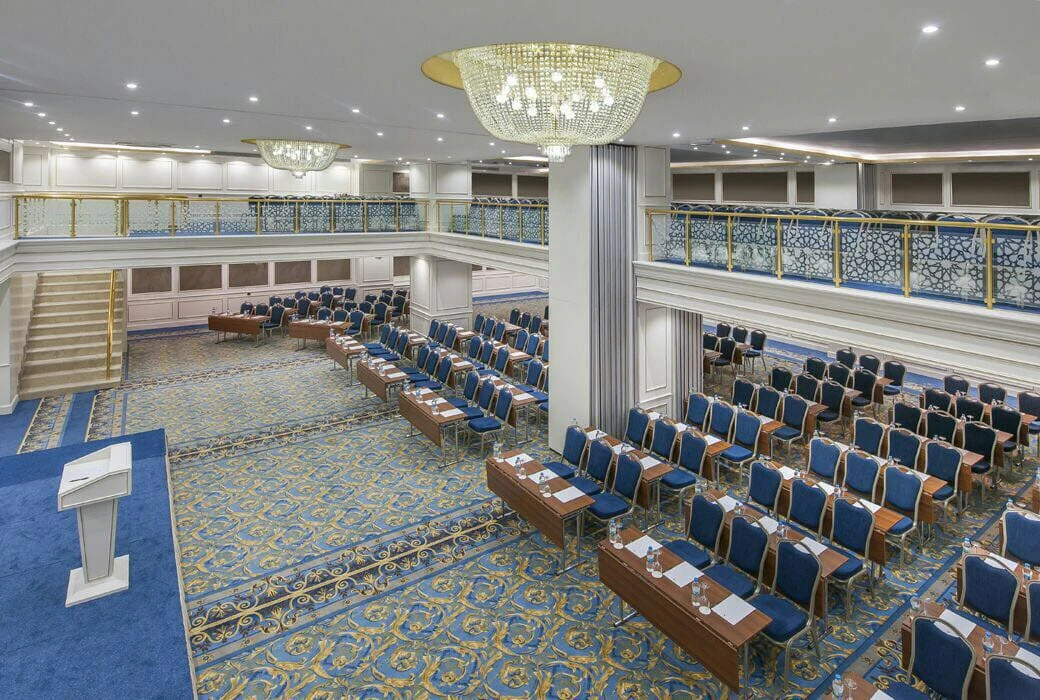
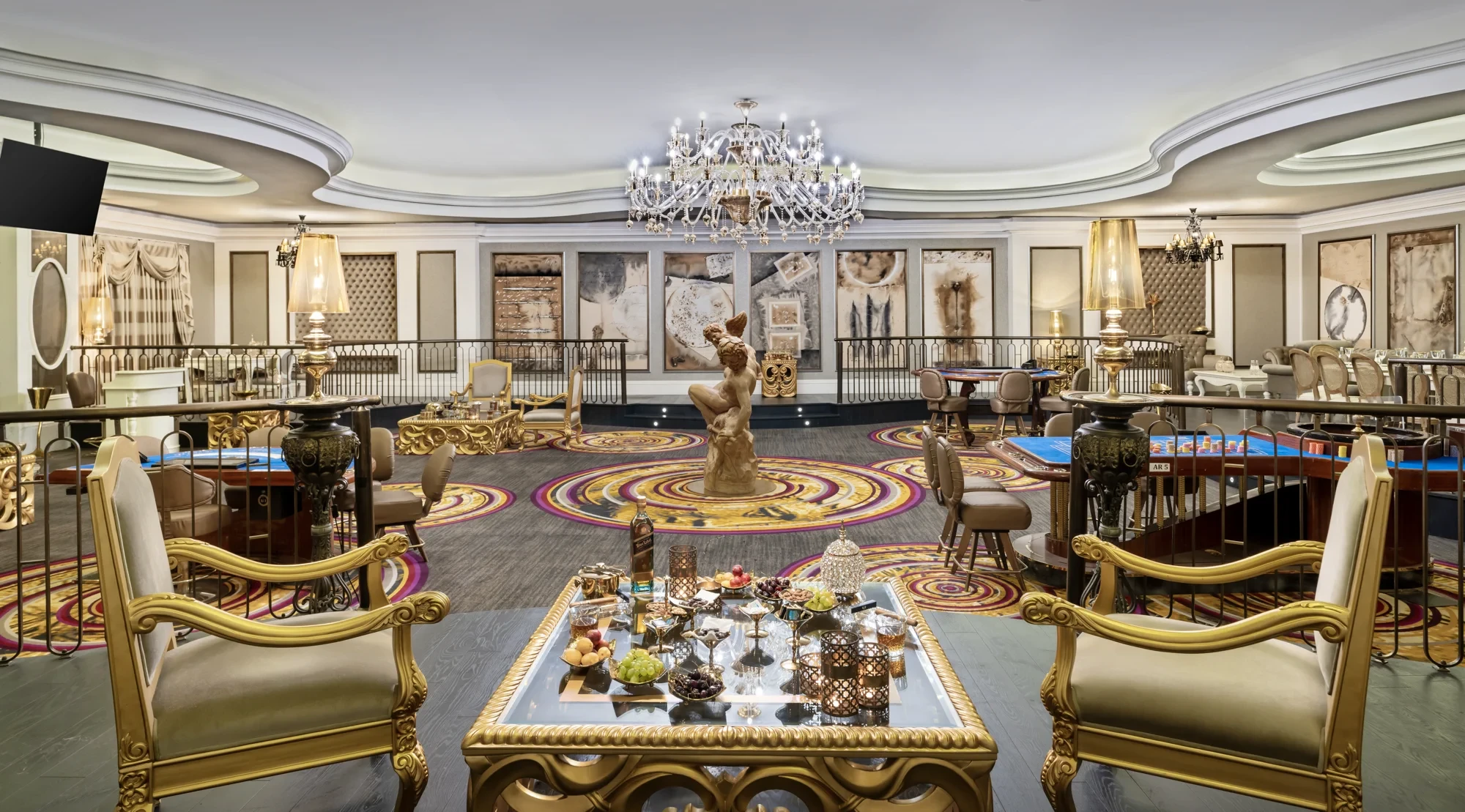
Office environments typically prioritize acoustic performance, ease of maintenance, and a balance between aesthetics and budget across large square footages. Hospitality carpet specifications, by contrast, often emphasize pattern design, color depth, and stain resistance in guest rooms and public spaces, while corridors and ballrooms demand exceptionally high durability due to rolling luggage carts and constant foot traffic. Healthcare facilities require flooring that supports infection control protocols and rolling equipment loads, often steering specifications toward carpet tile systems that allow for targeted replacement. Educational and government buildings frequently specify based on long product lifecycles and strict budget constraints, prioritizing durability over decorative complexity.
For architects working across sectors, this is where reviewing project examples for commercial buildings becomes valuable seeing how specifications shift for different occupancy types helps ground technical decisions in real-world outcomes rather than generic assumptions. Contempo Carpets' work across commercial enterprises illustrates how specification priorities shift from one project type to the next, even when the underlying technical categories remain the same.
Custom Contract Carpet Specifications
Standard product lines cover a large share of commercial projects, but many design teams need something beyond an off-the-shelf offering a specific color palette tied to brand guidelines, a pattern that reflects a hospitality property's identity, or a construction tailored to an unusual traffic pattern. This is where custom contract carpet specs come into play.
Custom specification work typically involves collaboration between the design team and the manufacturer from early in the project, allowing color, pattern, fiber, and backing decisions to be made together rather than selected from a limited catalog. This process gives architects and designers more creative latitude while still ensuring the final product meets the technical performance thresholds required for the space.
Contempo Carpets works directly with architects and interior designers on custom carpet manufacturing, translating design concepts into fully specified, production-ready products. Reviewing a range of completed designs can help design teams calibrate expectations around what's achievable within a given budget and timeline before finalizing a custom specification.
Common Mistakes to Avoid
Even experienced design teams run into recurring pitfalls when writing commercial carpet specs:
-
Specifying by brand name alone, without listing the underlying technical requirements, which opens the door to "or equal" substitutions that may not truly match performance.
-
Overlooking fire rating documentation, assuming a product is compliant without confirming current test data for that specific installation.
-
Ignoring maintenance realities, specifying a product that requires cleaning protocols the building's staff isn't equipped to follow.
-
Underestimating traffic patterns, using a general-purpose spec in a zone that actually experiences heavy rolling loads or concentrated foot traffic.
-
Skipping acoustic considerations in open-plan or multi-story buildings, leading to post-occupancy noise complaints that are expensive to fix retroactively.
-
Failing to coordinate backing systems with subfloor conditions, particularly in renovation projects with uneven or moisture-prone slabs.
Avoiding these mistakes generally comes down to one habit: treating the specification as a technical document tied to real project conditions, not a formality copied from a previous project.
How Contempo Carpets Supports Architects and Designers
Contempo Carpets works alongside architects and interior designers throughout the specification process from early material selection through custom production and installation support. Rather than offering a fixed catalog alone, the team collaborates on architectural specifications tailored to a project's fiber, construction, backing, fire rating, and acoustic requirements, helping design teams translate performance criteria into a finished product that holds up to real-world conditions.
This consultative approach is particularly valuable for projects that combine multiple performance demands at once for example, a hospitality lobby that needs both a custom design and documented fire compliance, or an office renovation that requires acoustic performance alongside a tight maintenance budget. By working through these variables collaboratively rather than after the fact, Contempo Carpets helps reduce the risk of costly substitutions or non-compliant installations later in the project.
Frequently Asked Questions
What is the difference between broadloom and carpet tile in commercial specifications?
Broadloom is manufactured and installed in large rolls, while carpet tile comes in modular squares or planks. Carpet tile specifications typically allow for easier replacement of individual damaged sections, while broadloom often provides a more seamless look across large open areas.
Which fire rating standard applies to commercial carpet in the United States?
Commercial carpet is commonly evaluated using the radiant panel test referenced in ASTM E648, which measures critical radiant flux. Specific requirements vary by building code and occupancy type, so specifiers should confirm current requirements with the local authority having jurisdiction and request documented test data from the manufacturer.
How is pile weight different from face weight?
Pile weight measures the total fiber weight per square yard, while face weight isolates the weight of the visible fiber surface specifically. Both figures help compare durability potential across different products, though neither should be evaluated in isolation from fiber type and construction.
Why does acoustic performance matter in commercial carpet specifications?
Acoustic performance affects how much impact and airborne noise transfers through a floor, which matters significantly in open offices, multi-story buildings, and hospitality settings where noise complaints can affect occupant satisfaction long after installation.
What should be included in a custom contract carpet spec? A custom spec typically documents fiber type, construction, backing system, color and pattern details, fire rating and slip-resistance data, and any project-specific performance requirements, in addition to standard technical categories like pile and face weight.
How often should commercial carpet specifications be updated for a multi-phase project?
Specifications should be reviewed at the start of each phase to confirm that the originally specified product is still in production and that current fire rating and performance documentation remains valid, since manufacturers periodically update product lines.
Can carpet specifications differ between similar spaces in the same building?
Yes. Corridors, lobbies, and executive offices within the same building often warrant different specifications based on traffic volume, acoustic needs, and design intent, even when the overall material palette is coordinated.
Ready to Specify with Confidence?
Commercial carpet specifications are the foundation of a flooring decision that has to perform under real-world conditions for years, not just look good on installation day. From fiber type and construction through fire ratings, acoustic performance, and maintenance planning, every technical category in a spec plays a role in how well a commercial floor holds up and how well it protects the project's design intent, budget, and code compliance.
Whether you're specifying standard office carpet or developing fully custom contract carpet specs for a hospitality flagship, treating the specification as a living technical document grounded in the building's actual traffic, code requirements, and maintenance capacity is what separates a floor that performs for a decade from one that needs replacing within a few years.
Download our full specification checklist to make sure every technical category fiber, construction, backing, fire rating, acoustic performance, and maintenance is covered before your next commercial project goes out to bid.