Marine Carpet Manufacturer Requirements: IMO Compliance Explained
Flooring on a vessel operates under a different set of rules than flooring on land. Between constant moisture exposure, tight fire-safety margins, and passenger volumes that rival a small city, materials used aboard cruise ships, ferries, and yachts have to meet international standards before they're ever approved for installation. For contractors, naval architects, and project managers sourcing materials for a marine project, understanding how a marine carpet manufacturer approaches IMO compliance is one of the first steps toward a successful, code-compliant interior.
This guide explains what IMO compliance actually involves, why it matters for marine flooring specifically, and what to evaluate when selecting a manufacturer for a vessel project.
Why Marine Carpet Selection Is Different from Commercial Flooring
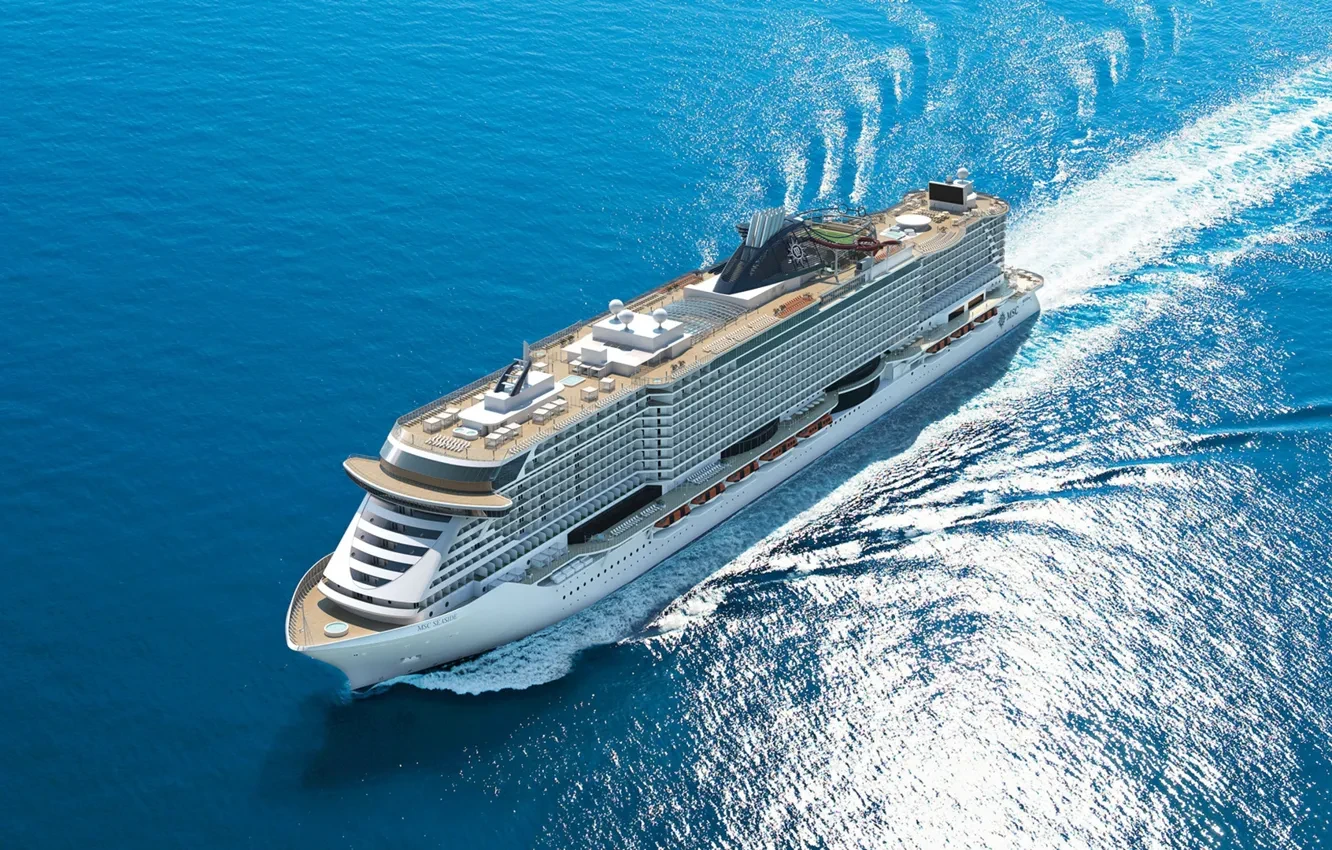
A hotel corridor and a ship corridor might look similar on paper, but the conditions they operate under are not the same. Vessels combine constant vibration, humidity, and saltwater exposure with some of the highest foot-traffic densities found in any commercial interior, particularly on cruise ships carrying thousands of passengers and crew. Fire safety carries even greater weight at sea, since evacuation options are limited compared to a land-based building, and a fire aboard a vessel presents risks that don't have a direct equivalent on shore.
These conditions mean marine flooring can't simply borrow specifications from commercial or hospitality carpet. It has to be evaluated against maritime-specific safety and durability requirements from the outset, which is exactly where IMO compliance becomes central to material selection.
Understanding IMO Compliance for Marine Carpets
What Is the IMO?
The International Maritime Organization is the United Nations agency responsible for setting international standards for the safety and environmental performance of shipping. Its regulations apply across a wide range of vessel systems, including the materials used in interior construction and finishes, which is why marine carpet falls under its regulatory scope.
What Is the IMO FTP Code?
The IMO FTP Code the International Code for Application of Fire Test Procedures establishes the testing methods used to evaluate how materials, including carpet, perform under fire conditions aboard vessels. It provides the standardized framework regulators and manufacturers reference when assessing whether a given material meets the fire performance requirements for shipboard use.
Fire Safety Requirements for Marine Flooring
Fire performance testing for marine carpet generally examines how a material ignites, how flame spreads across its surface, and how much smoke and heat it produces while burning. These factors matter even more aboard a vessel than in a typical building, since smoke and heat can spread quickly through enclosed corridors and stairwells with limited alternate routes. Specific testing requirements can vary depending on vessel type, size, and intended use, so confirming applicability with the relevant classification society and flag state authority remains an essential step in any project.
Why Certification Documentation Matters
Compliance isn't something a project team should take on faith. Proper documentation test certificates, material data sheets, and manufacturer declarations gives contractors and naval architects a verifiable record that a given carpet meets the fire safety requirements for its intended application. Without that paperwork, even a genuinely compliant product can create delays during vessel inspection and approval.
What to Look for in a Marine Carpet Manufacturer
Experience with Marine Projects
Marine interiors present a distinct set of technical and logistical challenges compared to land-based commercial work. A manufacturer with direct experience in vessel projects understands how moisture resistance, fire compliance, and installation logistics intersect in ways a general commercial supplier may not.
Certified Materials
Look for a manufacturer that can clearly document how their materials align with applicable IMO fire safety requirements, rather than relying on general assurances. Clear, project-specific documentation should be available on request.
Custom Design & Manufacturing
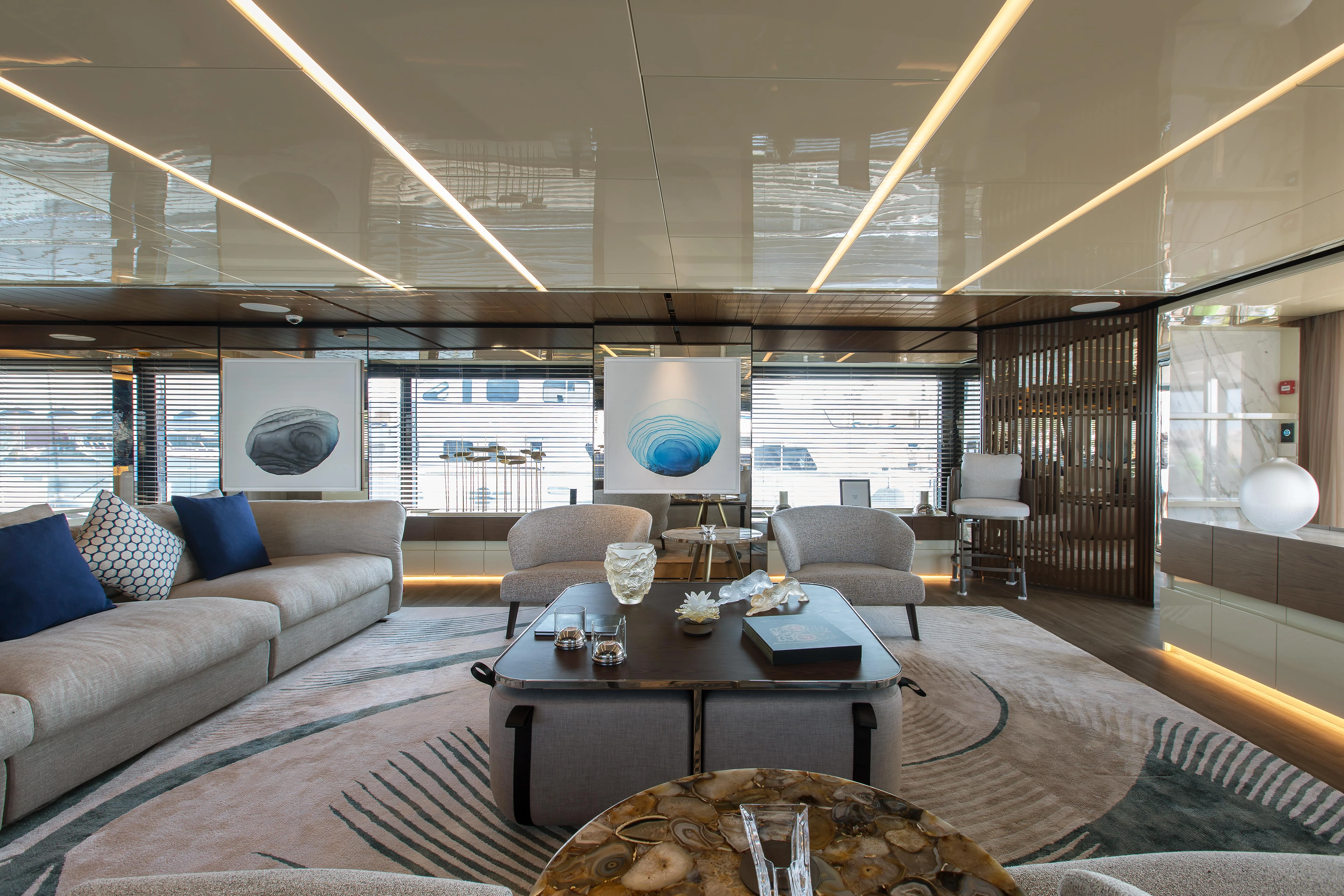
Many vessel interiors particularly cruise ships and luxury yachts call for custom colors, patterns, and branding elements. A manufacturer capable of combining custom marine flooring design with compliant materials gives designers more creative flexibility without compromising on safety requirements.
Quality Assurance
Consistent manufacturing processes reduce the risk of material variation between production runs, which matters significantly on large-scale vessel projects where flooring needs to perform uniformly across many decks and public areas.
Long-Term Performance
Beyond initial compliance, marine carpet needs to hold up to years of humidity, salt exposure, and heavy traffic without losing its fire performance characteristics or visual appeal an important consideration for vessels with long operational lifespans between refurbishment cycles.
Applications for IMO Certified Marine Flooring
IMO certified marine flooring applies across a wide range of vessel types and spaces. Cruise ship interiors rely on it throughout cabins, corridors, dining areas, and public lounges. Luxury yacht carpet often blends compliance with custom design work reflecting an owner's personal style. Ferries and passenger vessels depend on durable, compliant flooring built to handle frequent boarding cycles, while offshore accommodation vessels require flooring suited to demanding operational environments. Each application shares the same underlying requirement: flooring that meets maritime fire safety standards while performing reliably under real operating conditions.
Why Contempo Carpets Is a Trusted Partner for Marine Flooring Solutions
Contempo Carpets supports marine and maritime projects with flooring solutions built around the specific demands of vessel environments, from material selection through custom design and manufacturing. The team's experience across marine and aviation industries gives project managers and naval architects a partner familiar with the documentation and compliance considerations these projects require, alongside the design capability needed for cruise ship, yacht, and ferry interiors. That background is covered in more detail on the marine and aviation industries page.
Putting Compliance First in Your Next Marine Project
IMO compliance isn't a formality to sort out after a manufacturer is chosen it should shape the selection process from the very beginning. Understanding how fire testing standards apply to marine carpet, and confirming that a manufacturer can document that compliance clearly, gives project teams a much stronger foundation for a vessel interior that's both safe and built to last.
Before specifying carpet for your next vessel project, review the certifications and documentation behind our marine flooring solutions.

Take a look at other news and blog
Thus, our carpet manufacturing focuses on theneeds of our customers, ranging from the Hospitality industry, the Entertainment industry,Transport industry and Commercial enterprises as well.
-webp.webp)