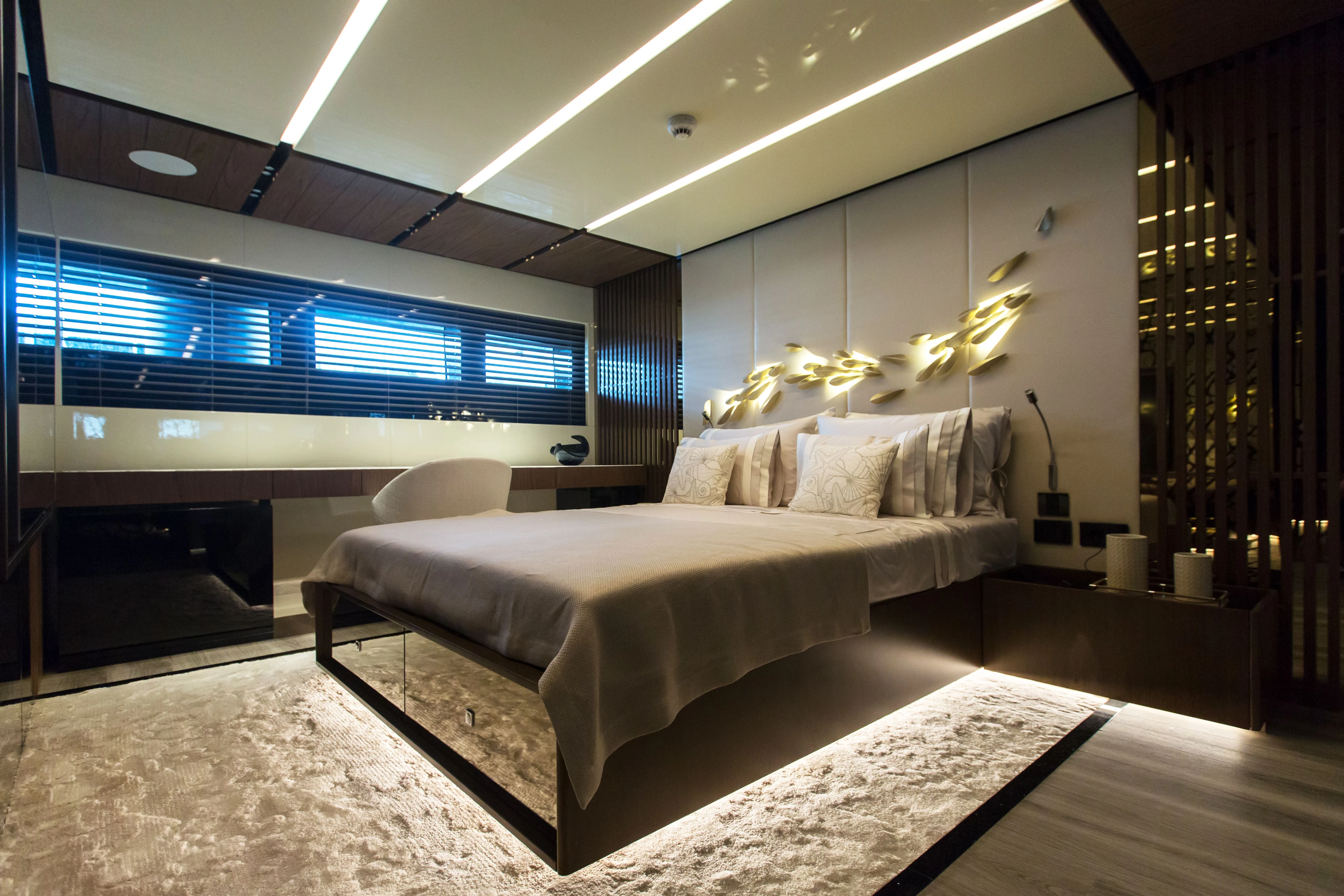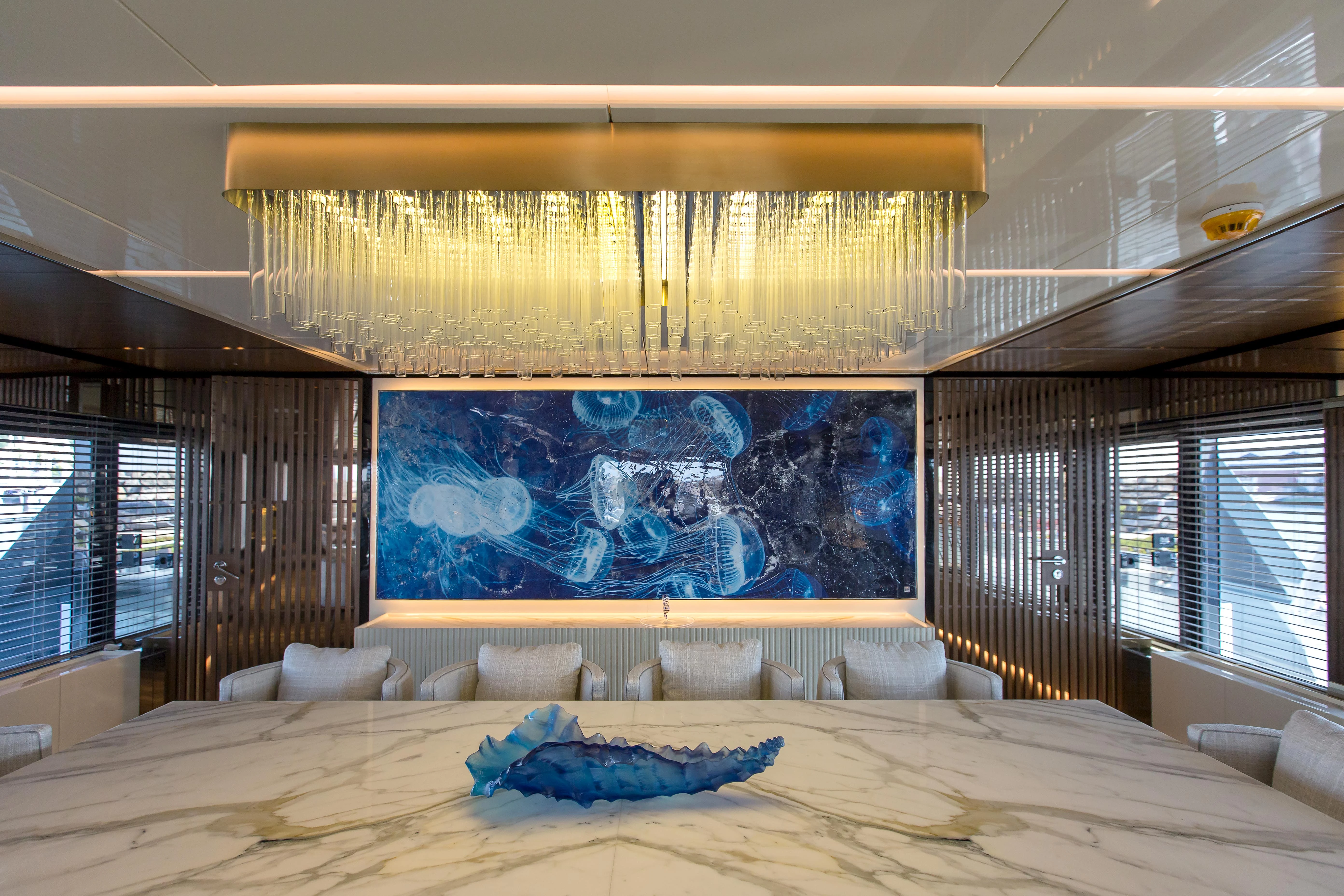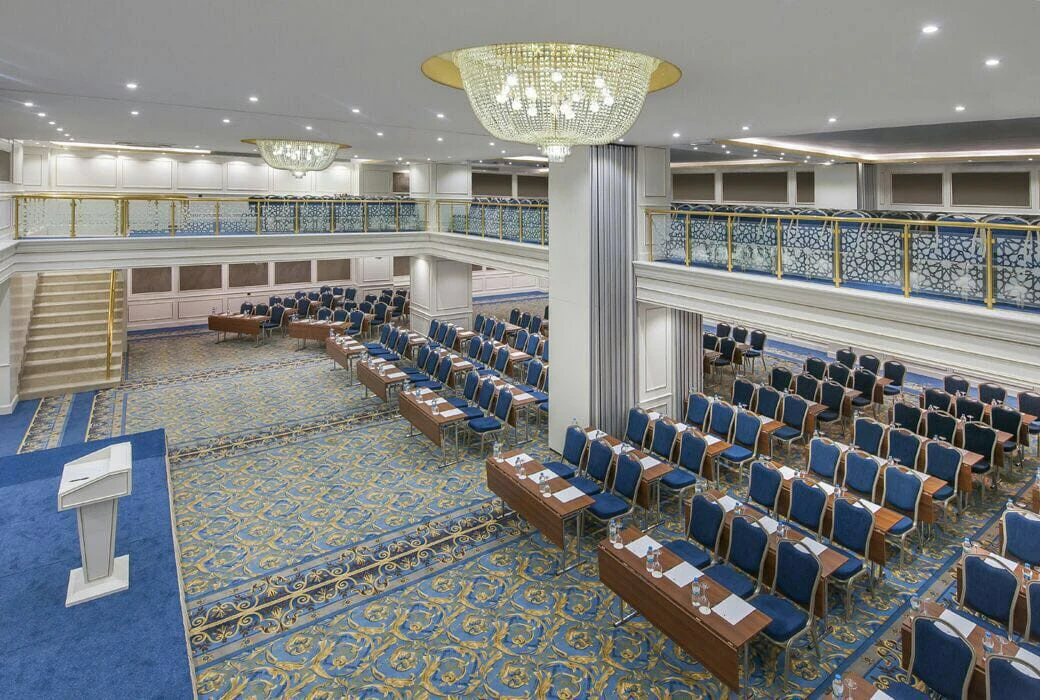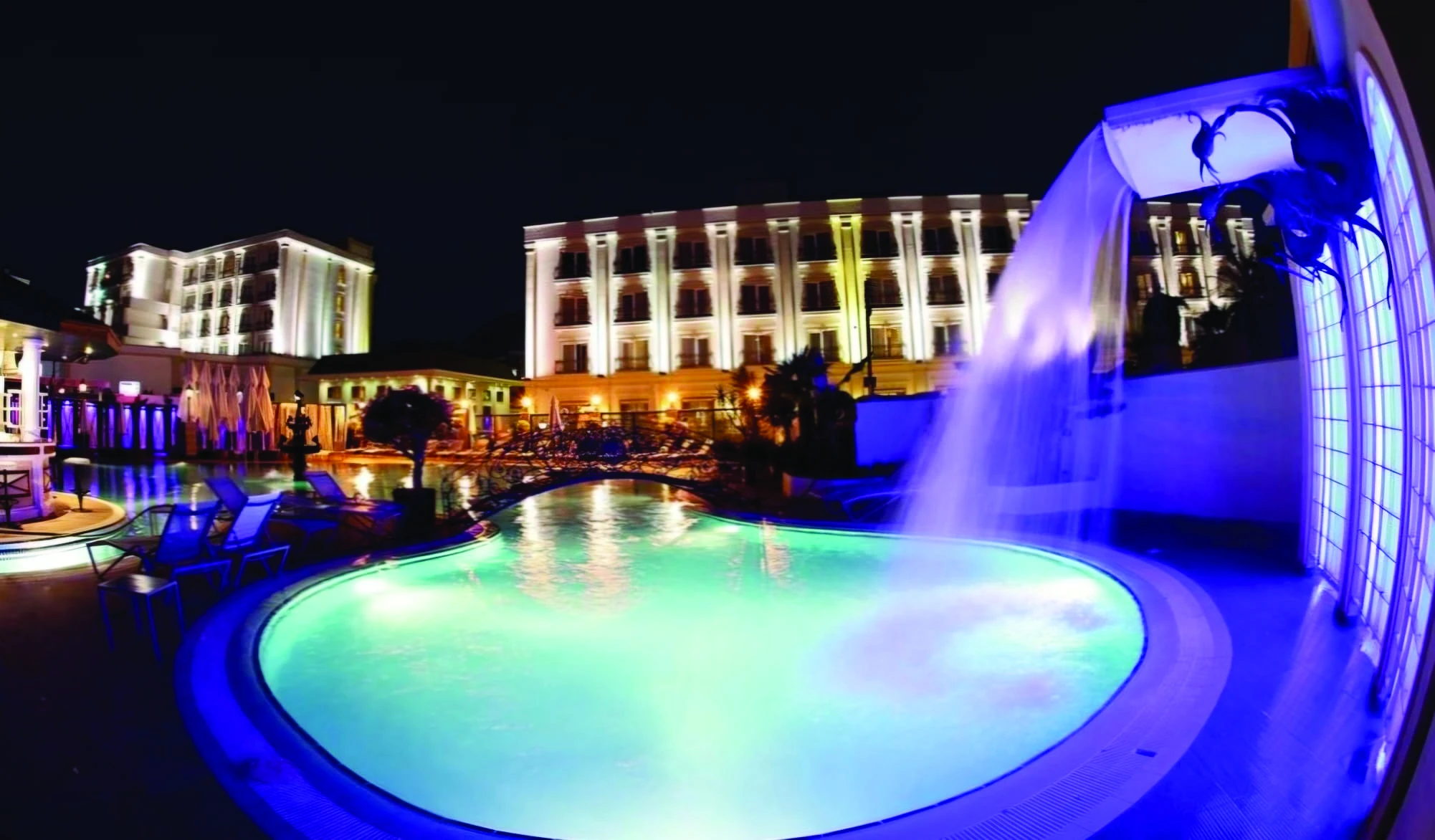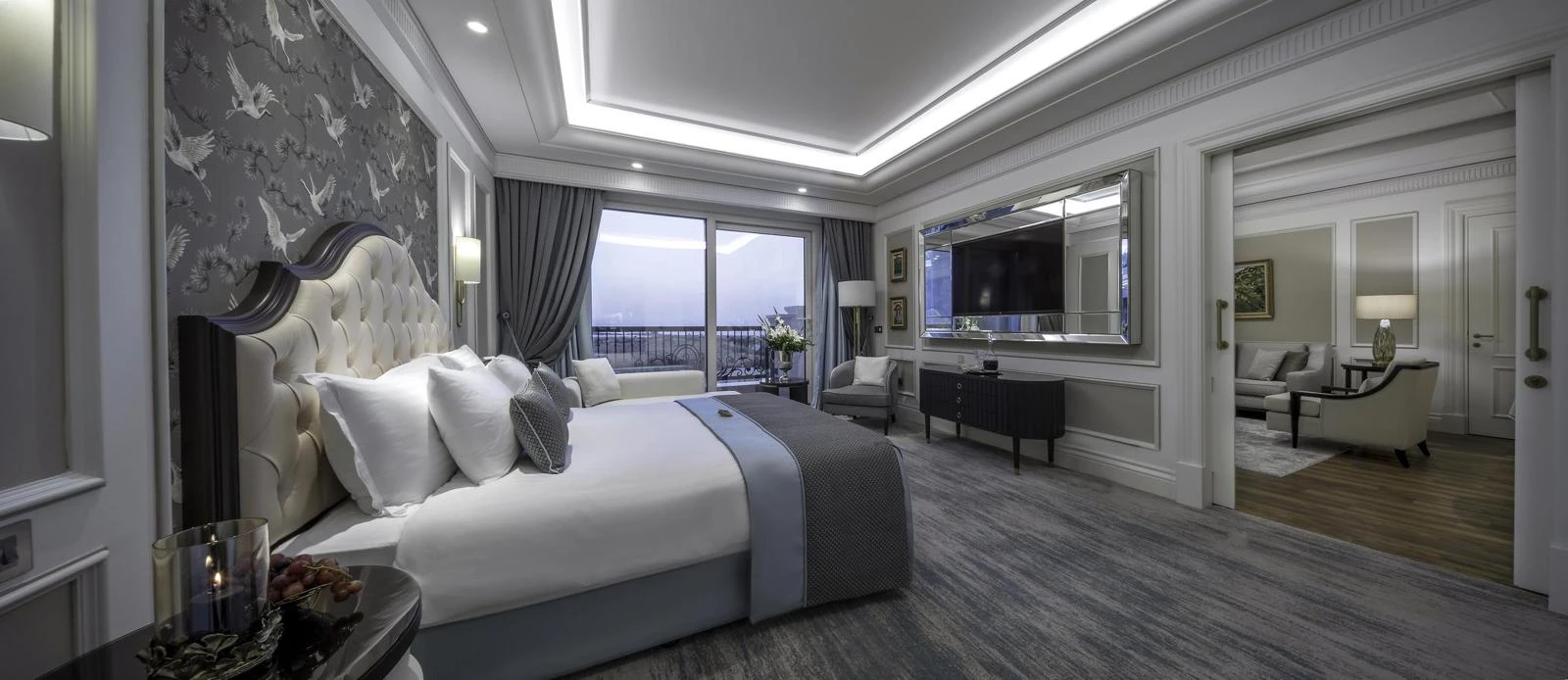
Bespoke Hand-Tufted Commissions for High-End Hotels and VIP Portfolios
In high-end hospitality design, floor coverings serve as a critical foundation that ties together spatial architecture, lighting, and interior aesthetics. For luxury interior designers and hotel developers, off-the-shelf flooring solutions rarely fulfill the complex visual and spatial demands of high-profile spaces. Specifying a bespoke hand tufted carpet allows project teams to achieve complete creative freedom, translating bespoke artwork into custom textile installations built precisely for the space.
Developing custom commissions for premium hospitality interiors requires a thorough understanding of design intent, material capabilities, and technical specification. Unlike standardized commercial carpets, custom hand tufted flooring allows for flexible adaptation of scale, color, depth, and boundary geometry. Understanding how to manage a hand-tufted project from initial artwork to job-site installation ensures that aesthetic ambitions align with long-term functional performance.
Why Hand-Tufted Carpet Suits Bespoke Hospitality Interiors
Hand-tufted construction offers design flexibility that makes it uniquely suitable for tailored hospitality spaces. Where automated high-volume weaving looms operate within strict repeat patterns and structural matrices, the hand-tufting technique allows for fluid, organic, and non-repetitive forms.
Key areas where hand-tufted construction provides distinct advantages include:
-
Design Freedom: Ability to execute intricate, highly detailed, or organic artistic concepts without rigid pattern repeats.
-
Custom Shapes and Boundaries: Seamless integration into complex room layouts, curved walls, inset floor wells, or irregular architectural perimeters.
-
Textural Differentiation: Combining cut pile, loop pile, varied pile heights, and hand-sculpted relief within a single continuous surface.
-
Color Mapping: Incorporating rich, custom-dyed palettes with precise color transitions and tonal gradients.
While hand-tufted carpet provides expansive design latitude, it represents one of several specialized construction options. Its suitability depends on spatial foot traffic, maintenance protocols, budget frameworks, and specific project goals.
From Architectural Concept to Bespoke Carpet Artwork
The development of a custom hand-tufted commission begins with the architectural vision. Rather than treating flooring as a secondary decorative element, leading designers integrate custom carpet development directly into early spatial planning.
During initial design interpretation, project teams evaluate:
-
Architectural References & Mood: Aligning carpet patterns with interior millwork, lighting fixtures, and overall spatial geometry.
-
Scale and Proportion: Adjusting motif dimensions so that elements sit comfortably relative to key furniture groupings, columns, and structural boundaries.
-
Color Harmonization: Developing custom yarn shades that coordinate with wall finishes, upholstery fabrics, and natural light exposure.
To explore how varied design languages translate into physical floor coverings, designers can review curated visual concepts within our designs library. Early collaboration between the interior designer and the carpet manufacturer helps confirm whether complex artwork can be technically executed in a hand-tufted construction.
What Makes Hand-Tufted Construction Different?
Understanding the technical fundamentals of hand-tufted production helps specifiers evaluate its place within a project specification. Unlike hand-knotted textiles, which require month-over-month manual knotting around warp threads, or machine-woven Axminster, which weaves backing and pile simultaneously, hand-tufting utilizes a mechanical tufting gun to insert yarn into a primary canvas backing.
The hand-tufting sequence typically follows these key steps:
-
Canvas Preparation: The approved artwork is scaled to full size and hand-traced directly onto a stretched canvas primary backing.
-
Yarn Insertion: Skilled artisans use hand-operated tufting tools to push yarn loops through the canvas, following the traced color areas, textures, and pile height requirements.
-
Backing and Vulcanization: A secondary backing material and protective latex compound are applied to secure the tufts firmly in place, providing structural integrity.
-
Shearing and Detailing: The surface is mechanically sheared to level the pile, followed by hand-carving along design borders to enhance definition and visual separation.
Hand-tufting offers greater freedom in pile height variation and localized texture than traditional woven constructions. However, performance criteria must be matched to the spatial environment to ensure proper long-term wear.
Material Selection for Bespoke Wool Rugs
Fibre specification forms the foundation of any successful hand-tufted project. The selected yarn influences visual depth, hand-feel, color clarity, and maintenance requirements.
When specifying bespoke wool rugs and wall-to-wall tufted installations, designers often evaluate several key material profiles:
-
Pure Wool: Frequently chosen for its deep dye affinity, rich matte appearance, natural fiber elasticity, and luxurious feel underfoot.
-
Wool Blends: Incorporating high-performance synthetic fibers alongside natural wool to modify specific abrasion profiles or luster levels.
-
Silk or Accent Fibers: Utilizing botanic silks, bamboo viscose, or lustrous synthetic accents within targeted cut-pile areas to create light-reflecting highlights.
Material decisions should always be evaluated alongside carpet construction, pile density, and spatial foot traffic expectations rather than relying on fiber characteristics alone.
Designing High-End Hotel Rugs Around the Space
Custom high-end hotel rugs must respond directly to the surrounding architecture. Rather than treating a rug as an isolated accessory, bespoke design accounts for spatial flow, furniture placement, and visual balance within guest-facing environments across the hospitality industry.
Key design considerations include:
-
Furniture Layout Anchor Points: Sizing rugs to extend appropriately beneath seating clusters, desks, or accent tables without creating awkward edge transitions.
-
Circulation Routes: Positioning dense cut-pile or lower loop-pile sections in primary walking paths to minimize visual wear patterns over time.
-
Sightlines and Focal Zones: Structuring central motifs to align with entryways, architectural features, or lighting installations.
-
Adjacent Flooring Transitions: Managing pile height variations where hand-tufted rugs abut natural stone, hardwood, or inset brass joinery strips.
VIP Suite Floor Covering: Specification Considerations
Specifying a VIP suite floor covering requires balancing elevated aesthetics with functional operational performance. VIP suites, executive boardrooms, and private lounges demand customized floor coverings that convey exclusivity while standing up to high operational standards.
When specifying hand-tufted carpets for VIP suites, designers should prioritize:
-
Precise Dimensional Mapping: Measuring non-standard room footprints, alcoves, and built-in joinery to ensure exact fitting.
-
Subtle Surface Detailing: Incorporating micro-carving, variable loop heights, or subtle tonal shifting to add visual texture without creating uneven footing around furniture.
-
Acoustic & Structural Cushioning: Pairing hand-tufted carpets with high-density underlays to optimize underfoot comfort and spatial acoustics.
-
Operational Maintenance: Aligning material choices and pile heights with the hotel housekeeping team's routine maintenance capabilities.
Sampling and Approving a Bespoke Hand-Tufted Carpet
Because digital renders cannot fully capture fiber luster, pile density, or hand-carved depth, physical sampling is a critical quality assurance step in the custom commission workflow.
The sampling and approval workflow progresses through structured checkpoints: Initial Artwork & CAD ➔ Palette & Yarn Selection ➔ Physical Strike-Off Sample ➔ Review & Adjustments ➔ Final Master Approval
A physical strike-off sample (typically 30x30 cm or 50x50 cm) allows the design team to inspect actual yarn dye matches, evaluate pile height transitions, verify carving precision, and view the sample under real site lighting conditions before full manufacturing begins.
From Custom Design to Production and Installation
Once the physical sample and final shop drawings receive formal client approval, the project transitions into full production and site delivery planning.
Smooth execution requires coordination across several phases:
-
Production Documentation: Finalizing precise manufacturing shop drawings, seam layouts, and pattern direction schematics.
-
Substrate Inspection: Verifying that subfloors are dry, level, clean, and properly prepared to receive custom carpet installations.
-
Installation Planning: Coordinating specialized underlayment, backing adhesion, edge binding, or stretch-in installation techniques appropriate for hand-tufted constructions.
-
Site Management: Ensuring installation timing aligns with broader project handover schedules to avoid damage from adjacent trades.
Specifiers can explore past bespoke installations within our projects gallery to see how custom hand-tufted designs are executed across high-end hospitality interiors.
A Practical Checklist for Specifying Custom Hand-Tufted Flooring
To streamline the specification process, interior designers and hotel developers can utilize this practical reference checklist:
-
Spatial Brief: Define room function, anticipated traffic level, and spatial layout requirements.
-
Dimensional Accuracy: Obtain verified site dimensions, CAD plans, and floor well depths.
-
Artwork & Scale: Establish pattern scale, motif orientation, and border locations relative to furniture.
-
Material Specification: Confirm fiber blend (pure wool, wool-blend, or accent fibers) based on room use.
-
Construction Details: Specify pile height, tuft density, loop versus cut pile combinations, and hand-carving boundaries.
-
Sampling Protocol: Request physical strike-off samples for color, texture, and quality sign-off.
-
Technical Compliance: Verify that finished carpet systems meet required local commercial flooring standards.
-
Installation Strategy: Plan subfloor preparation, seam placement, backing selections, and site delivery timing.
Realizing Custom Vision Through Technical Collaboration
Successfully executing a bespoke hand-tufted commission requires blending creative design intent with rigorous manufacturing precision. By taking a structured approach to material selection, artwork adaptation, physical sampling, and technical specification, project teams can deliver custom floor coverings that elevate high-end hospitality environments. Close coordination between the design studio and the manufacturing atelier ensures that every custom piece fulfills its aesthetic and functional purpose over time.
Create a Bespoke Hand-Tufted Carpet Connect with our technical design team to discuss your project brief, request custom wool yarn tuft boxes, or initiate physical sample development for your upcoming hospitality project.