How to Choose the Right Architectural Flooring for High-End Hospitality Projects
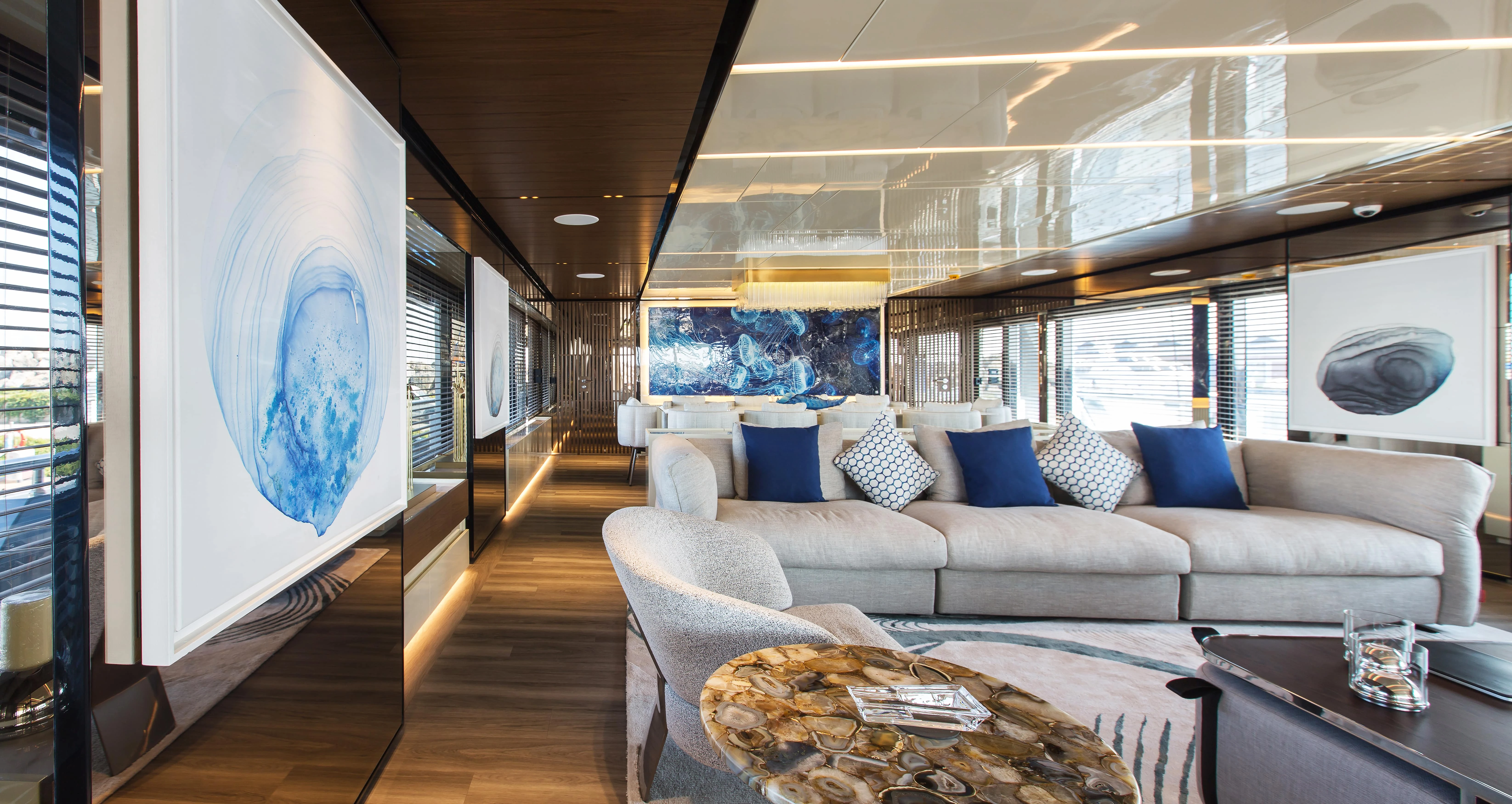
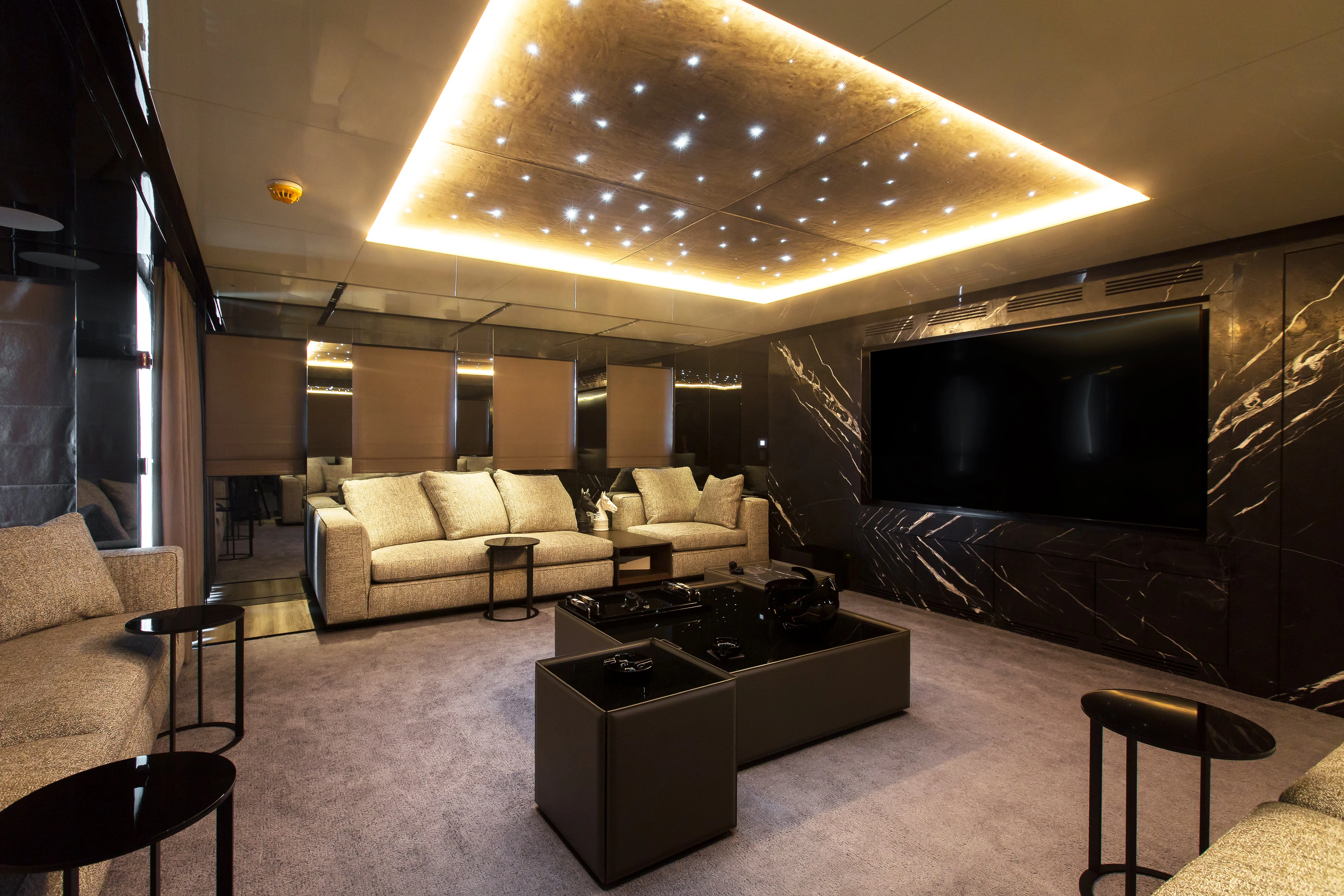
In luxury hospitality design, architectural flooring serves as the foundational element of the guest experience. It is far more than a passive background finish; floor coverings define spatial acoustics, cushion footfall, establish zoning, and convey brand identity from the moment a guest steps into the property. For interior architects, FF&E procurement managers, and hotel developers, selecting the appropriate flooring is a critical technical and creative decision that directly affects both long-term operational expenditure and property evaluation.
Choosing commercial floor coverings for premium hotels requires balancing aesthetic ambitions against demanding operational realities. Every zone—from high-impact grand lobbies and bustling corridors to quiet guestrooms and expansive ballrooms—presents unique performance challenges. This guide provides an analytical framework for specifying high-performance hospitality floor coverings that maintain visual elegance throughout their designed lifecycle.
Defining Spatial Requirements and Traffic Dynamics
A successful floor specification begins with a thorough audit of spatial acoustics and foot-traffic density. Applying a single flooring specification across an entire property inevitably leads to premature wear, maintenance issues, or inflated costs.
Public Areas and High-Traffic Zones
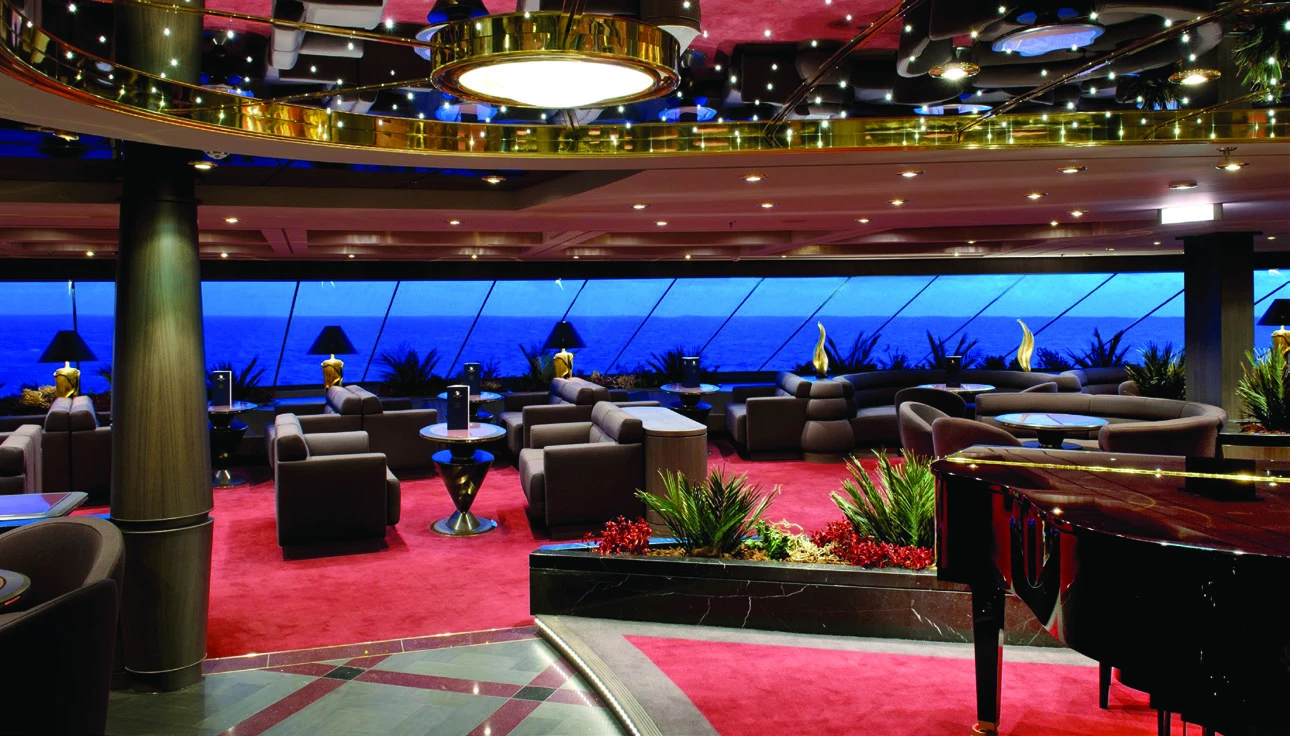
Lobbies, main corridors, lift landings, and executive lounges experience continuous foot traffic, heavy luggage carts, and direct exposure to exterior dirt. Flooring in these zones must feature high pile density, superior tuft lock, and robust backing systems capable of resisting structural delamination.
Guestrooms and Private Suites
In private accommodation, acoustic comfort, underfoot luxury, and thermal insulation take priority. Lower traffic intensity allows specifiers to focus on tactile qualities, plush pile heights, and intricate textures that elevate guest comfort while absorbing ambient noise between adjacent rooms and floors.
Technical Performance and Material Engineering
Navigating technical specifications requires evaluating fiber composition, yarn construction, and backing technologies. For luxury properties, material performance dictates how long a carpet retains its visual appearance under heavy commercial use.
Fiber Selection: Wool versus Synthetic Blends
-
80/20 Wool-Nylon Blends: Long regarded as the gold standard for luxury hospitality, an 80% wool and 20% nylon blend combines the natural soil resistance, flame retardancy, and rich texture of wool with the tensile strength and abrasion resistance of nylon.
-
Solution-Dyed Nylon (SDN): For areas requiring aggressive cleaning regimes or exposure to direct sunlight, solution-dyed nylon offers colorfastness and resistance to harsh chemical cleaning agents, making it ideal for high-traffic public corridors and dining environments.
Acoustic Management and Structural Durability
Noise control is essential to positive guest reviews. Advanced cushion backings not only improve acoustic absorption—reducing impact sound transmission between levels—but also act as shock absorbers. Quality backing extends the effective lifespan of the surface fiber by absorbing mechanical stress from footfall and rolling loads.
Elevating Spatial Identity with Custom Hotel Carpet
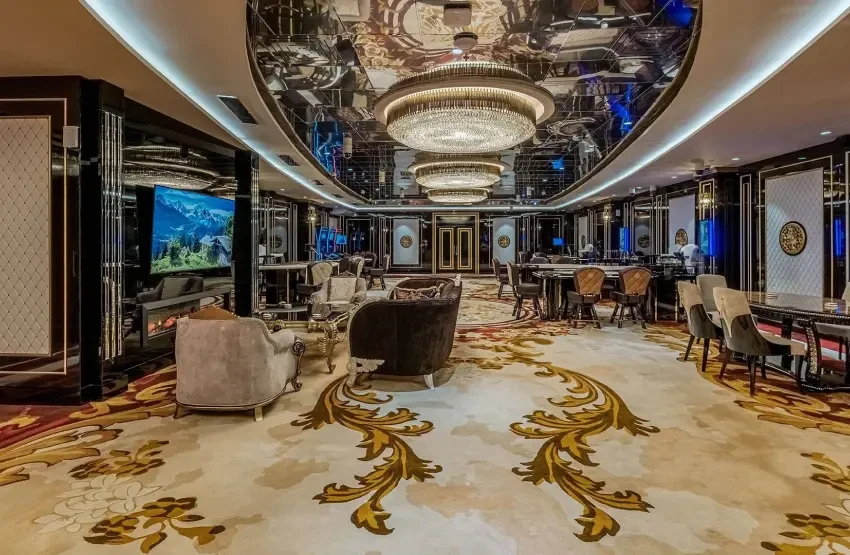
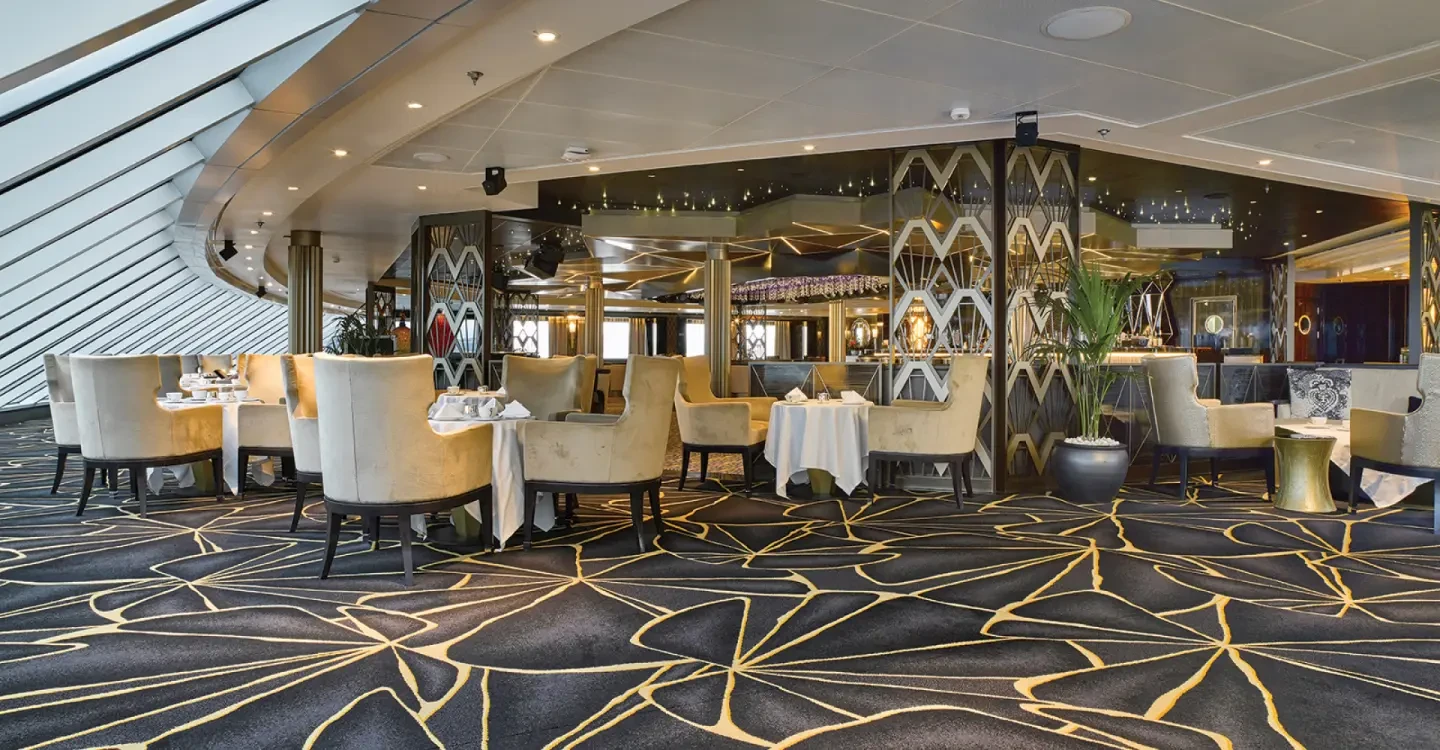
Standard off-the-shelf collections rarely meet the bespoke design requirements of luxury boutique properties or flagship brand standards. A tailored approach enables interior design teams to align floor patterns directly with the architectural narrative of the building.
Specifying a custom hotel carpet allows design teams to curate color palettes, scale patterns precisely to room dimensions, and eliminate unsightly seams in complex layouts. Beyond aesthetics, customization enables functional engineering: pile weight and yarn density can be adjusted within specific zones of a single manufacturing run to suit varying traffic levels while maintaining visual continuity.
Architects and procurement directors seeking inspiration for bespoke patterns, geometric layouts, and tailored colorways can explore executed concepts across global hospitality reference installations on our Projects page.
Key Considerations for FF&E Procurement Teams
To prevent costly mid-project revisions or installation delays, FF&E procurement managers should establish rigorous qualification criteria early in the design development phase:
-
Fire and Smoke Ratings: Ensure full compliance with regional building codes (such as EN 13501-1 or ASTM E648 standards) appropriate for commercial assembly and accommodation spaces.
-
Lifecycle Cost Analysis: Evaluate initial material and installation costs against expected wear life, routine maintenance expenses, and cleaning downtime. Higher upfront investment in premium fibers frequently yields lower total cost of ownership.
-
Seaming Plans and Pattern Repeats: Work closely with the manufacturer to review drop matches, roll widths, and seaming diagrams to minimize material waste during installation.
-
Maintenance Protocols: Confirm that specified fibers and constructions align with the property's operational housekeeping capabilities and cleaning equipment.
Collaborating with an Experienced Carpet Manufacturer
The transition from initial render to finished installation requires close technical coordination between the design studio, procurement agency, and manufacturing facility. Early collaboration with an experienced commercial carpet partner simplifies the specification process and mitigates technical risk.
Working directly with specialized producers ensures that design concepts are translated into technically viable textile constructions without compromising creative vision. From custom sampling and strike-off approvals to site measurements and technical backing recommendations, expert advice helps maintain project timelines and budget parameters.
To learn more about our manufacturing capabilities, quality control standards, and collaborative approach to architectural flooring specifications, visit the About Us section.
Optimize Your Next Hospitality Specification
Selecting the optimal architectural flooring requires balancing creative vision with rigorous performance engineering. Whether you are detailing a historic luxury hotel renovation, specifying a multi-story resort, or developing a boutique hospitality concept, our technical team is ready to support your vision from concept to completion.
Planning a high-end hospitality project? Contact the technical specification team at Contempo Carpets to request custom strike-offs, technical data sheets, or a specialized consultation for your next commercial interior specification.