Pure Wool Floor Coverings for High-End Hospitality: Why Material Selection Matters
In luxury hospitality design, flooring forms one of the largest continuous visual and tactile surfaces within an interior space. For interior designers, hotel developers, and specifiers, evaluating the ideal floor covering requires balancing aesthetic vision with functional performance. Choosing the right wool carpet for hotels is not simply a matter of selecting a premium material; it requires understanding how natural fibers interact with carpet construction, traffic levels, and long-term operational demands.
Material selection directly influences how a carpet ages, responds to maintenance, and maintains its visual integrity over time. While synthetic and blended options remain prevalent, pure wool continues to hold a significant place in hospitality specifications. Understanding the technical, structural, and aesthetic characteristics of wool allows project teams to make informed decisions tailored to the exact requirements of their venue.
Why Fibre Selection Matters in Hotel Carpet Specification
The selection of carpet fiber is a foundational step in the overall specification process. Fibre choice impacts far more than surface softeness or initial visual appeal; it sets the baseline for how the carpet will perform under real-world conditions. When specifying flooring for luxury hospitality environments, specifiers must evaluate fiber performance alongside several interdependent factors:
-
Carpet Construction: Whether the product is woven, tufted, or custom-crafted.
-
Traffic and Spatial Location: The volume and nature of foot traffic in specific zones.
-
Design Intent: The desired pattern clarity, texture, and visual depth.
-
Maintenance Frameworks: The property’s operational cleaning capabilities and routine care schedules.
-
Technical Compliance: Project-specific requirements regarding performance, backing systems, and installation methods.
Fibre selection cannot be isolated from these variables. Pure wool represents one material option that, when paired with the appropriate construction and technical specification, offers specific visual and structural properties well-suited for high-end hospitality interiors.
What Makes Wool Relevant to Hospitality Interiors?
Wool has long been valued in commercial interior architecture for its unique natural structure. At a microscopic level, wool fibers possess a natural crimp and complex cell architecture, contributing to distinct physical characteristics that benefit hotel wool flooring.
From a design perspective, wool offers exceptional visual depth and tactile richness. The fiber naturally absorbs light rather than reflecting it harshly, resulting in deep, matte color rendition. This visual quality allows complex patterns and subtle tonal variations to read with clarity across large spatial expanses. Additionally, the inherent resilience of the wool fiber—its ability to spring back after compression—helps the pile retain its appearance under foot traffic when specified in appropriate densities.
However, inherent material characteristics must be distinguished from finished product performance. The overall durability, soil resistance, and stability of a wool hospitality floor covering ultimately depend on the total carpet construction, pile weight, backing materials, and adherence to tested technical standards.
Pure Wool vs. Wool Blends: A Specification Decision
When evaluating wool for hospitality environments, project teams often weigh the choice between pure wool and wool-blend carpets (such as an 80/20 wool-nylon blend). Neither option is universally superior; each serves specific project briefs, performance criteria, and budget parameters.
Specifiers should evaluate several key factors when deciding between pure wool and blends:
-
Fibre Composition: Pure wool provides maximum tactile softness and rich matte color expression, while synthetic blends are often introduced to alter specific tensile or abrasion characteristics.
-
Spatial Application: High-impact, heavy-spill areas may warrant a different material composition than executive suites or low-impact lounges.
-
Carpet Construction: The chosen manufacturing method (e.g., woven Axminster vs. hand-tufted) interacts differently with pure fibers versus blends.
-
Maintenance and Lifecycle Expectations: Cleaning protocols and expected replacement cycles must align with the chosen fiber profile.
A responsible specification bases material choice on the specific performance requirements of the room, avoiding rigid assumptions about material superiority.
How Wool Influences Carpet Design
The physical structure of wool fibers directly impacts how custom artwork transitions from a digital concept to a physical floor covering. A tailored wool carpet offers unique opportunities for bespoke design integration across luxury hotel properties.
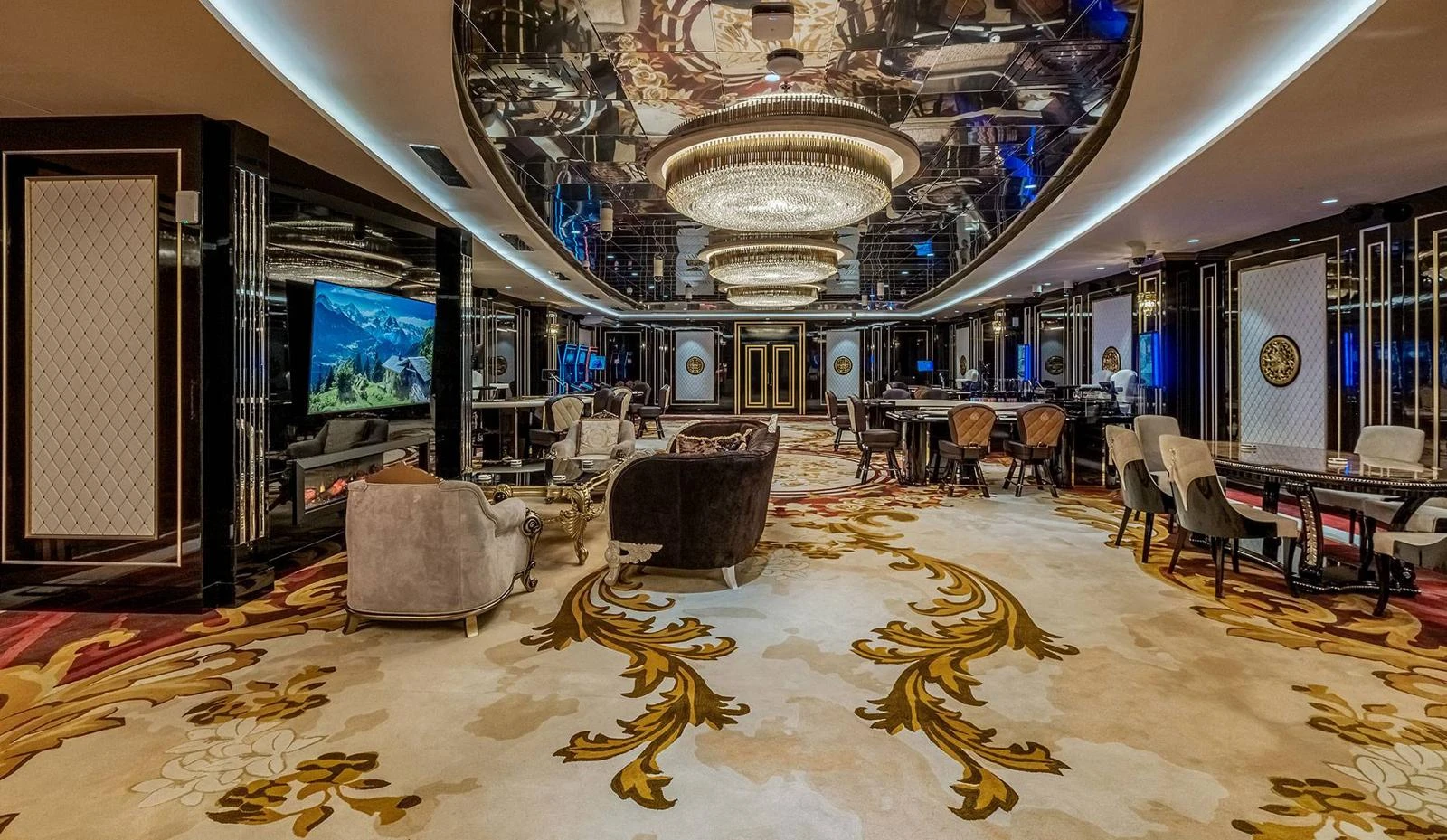
Because wool accepts dyes deeply into its core, it enables complex color development, from soft organic gradients to vivid, high-contrast motifs. The natural texture of wool also enhances dimensional detailing. When combined with varied pile heights, cut-and-loop structures, or precise carving techniques, wool yarn creates defined shadow lines and tactile contrast that elevate interior architecture.
Design teams can explore tailored pattern variations within our designs library to evaluate how bespoke motifs adapt to different fiber and construction combinations.
Choosing the Right Construction for Wool Hospitality Flooring
Fibre selection is only one half of the material equation; carpet construction provides the structural framework. Using pure wool in a hospitality setting requires selecting a manufacturing method that supports the intended application.
Common Bespoke Constructions for Wool
-
Woven Axminster: Interlocks the pile, warp, and weft simultaneously, offering exceptional dimensional stability, complex pattern capabilities, and durability for high-traffic public areas.
-
Hand-Tufted Carpets: Allows for unlimited shape, pile height variation, and intricate hand-carved detailing, making it ideal for luxury suites, feature rugs, and low-traffic focal areas.
-
Custom Wilton or Flat-Weave Constructions: Offers refined geometric textures and structured low-pile profiles suitable for specific architectural themes.
The mechanical performance of a high-end wool carpet depends on this synthesis of fiber, density, twist level, and backing system. Specifying the correct construction ensures the carpet fulfills its intended aesthetic and functional role.
Where Can Wool Carpet Be Used in a Hotel?
Pure wool floor coverings can be successfully specified across various areas within the industry hospitality industry, provided the construction matches the environment's operational demands:
-
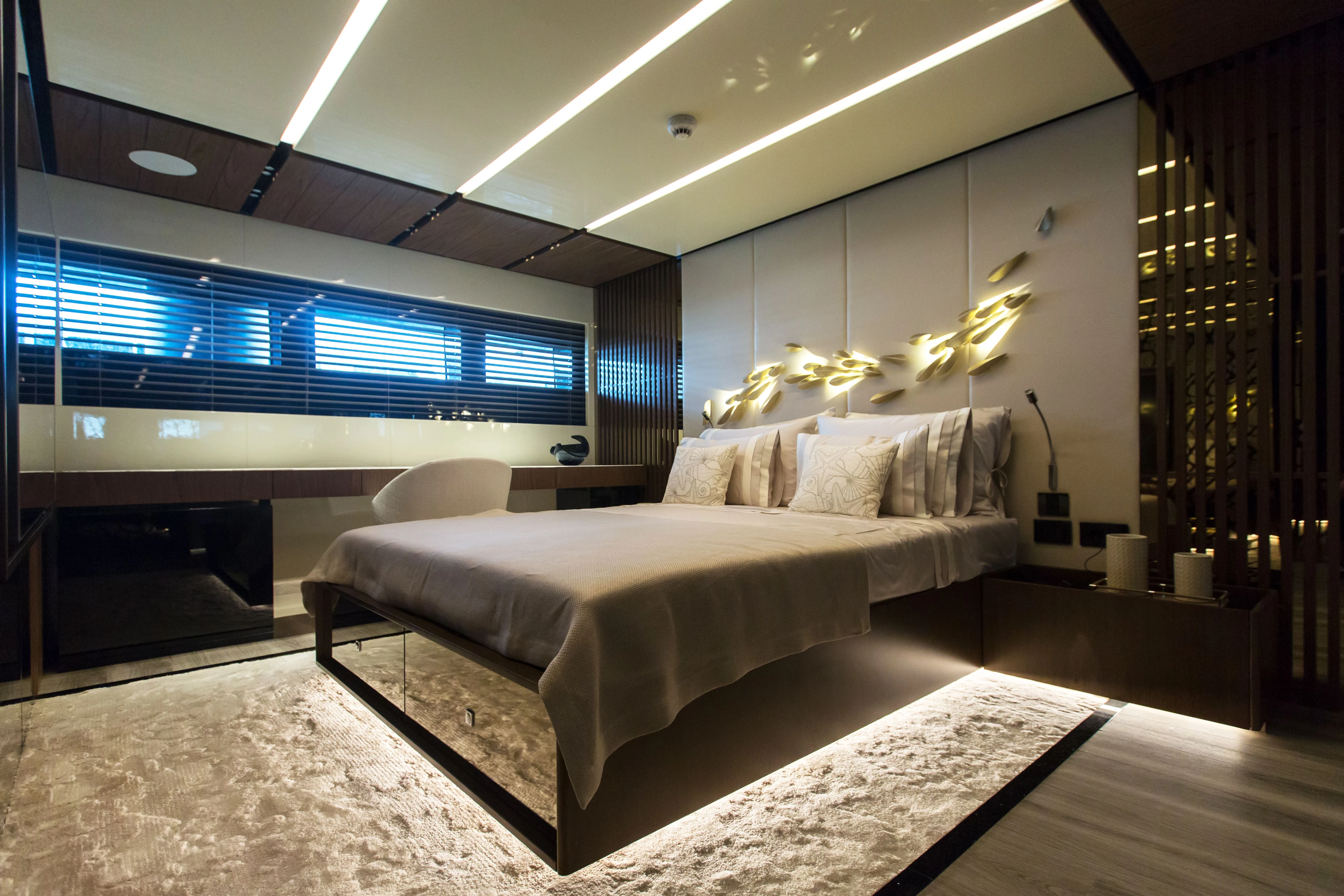
Guestrooms and Suites: Pure wool provides an inviting, comfortable underfoot experience that reinforces a luxury residential feel.
-
Corridors: Woven wool constructions with high density help manage foot traffic and rolling load impacts while maintaining appearance retention.
-
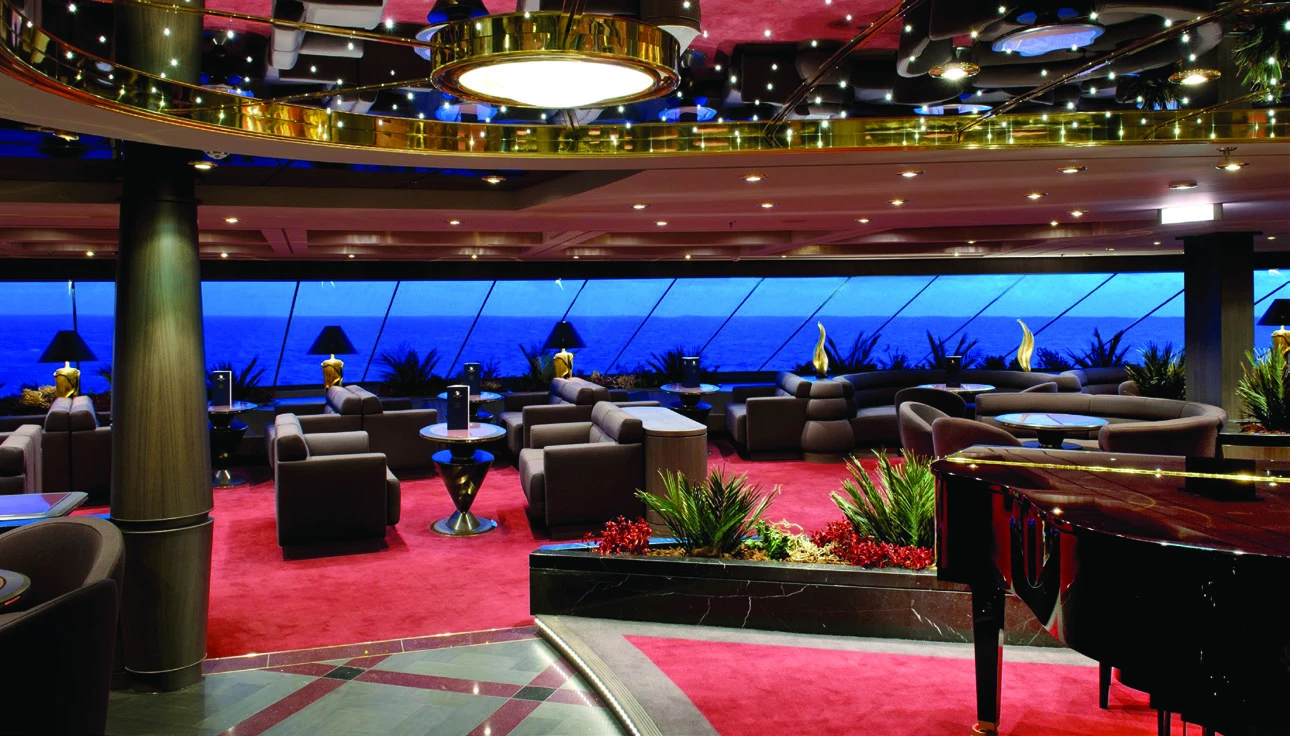
Lobbies and Lounges: Custom wool rugs or wall-to-wall installations anchor public spaces, providing warm visual grounding and acoustic dampening.
-
Ballrooms and Event Spaces: Large-scale woven wool carpets deliver grand visual impact and structural stability over expansive open floors.
Pure wool is not automatically suitable for every hotel zone. Moisture-heavy areas, outdoor transitions, or spaces subjected to harsh chemical exposure require alternative material evaluations.
Maintenance and Lifecycle Considerations
Maintenance planning should occur during the material specification phase, not after installation. To preserve the visual quality and functional life of wool hospitality flooring, specifiers must align material choices with the property's daily operational capabilities.
Effective lifecycle management includes establishing routine maintenance schedules, utilizing proper vacuuming equipment designed for cut-pile natural fibers, and implementing prompt, fiber-appropriate spot-cleaning protocols. Because cleaning requirements vary based on carpet construction and backing treatments, property teams should always follow the specific manufacturer maintenance guidelines provided for the installed product.
How to Specify a High-End Wool Carpet for a Hospitality Project
To ensure a smooth transition from concept to installation, project teams should utilize a clear specification framework when evaluating pure wool flooring:
-
Define Spatial Requirements: Document traffic volume, spatial function, and environmental exposure.
-
Select Material Composition: Determine whether pure wool or a wool blend best meets the performance brief.
-
Determine Construction: Choose between woven Axminster, hand-tufted, or specialized tufted structures based on durability needs.
-
Establish Aesthetic Parameters: Confirm pattern scale, color palette, pile height, and surface texture.
-
Verify Technical Documentation: Review required backing specifications, dimensional stability checks, and project compliance needs.
-
Outline Operational Maintenance: Confirm that property operations can support the required care protocols.
From Material Selection to Bespoke Carpet Development
Transforming an initial material choice into a finished architectural flooring solution requires close coordination across the project lifecycle. This process typically moves through a structured progression:
Project Brief ➔ Material Selection ➔ Construction Engineering ➔ Sample Development ➔ Technical Review ➔ Production ➔ Installation
Early collaboration between interior designers, procurement teams, and carpet specialists ensures that design concepts remain technically viable and budget-aligned. Project teams can review our about-us page to learn more about our technical approach to bespoke carpet manufacturing, or explore completed hospitality projects to see how custom wool specifications come to life in luxury environments.
Aligning Material Selection with Hospitality Design Intent
Pure wool floor coverings offer luxury hospitality projects a refined balance of natural texture, color depth, and aesthetic versatility. However, realizing the full value of wool requires evaluating the material within a complete technical specification—matching fiber characteristics with the right carpet construction, spatial traffic profile, and maintenance strategy.
By taking a holistic approach to material selection, specifiers and developers can deliver floor coverings that support the broader interior architecture while meeting operational demands over time.
Discuss Your Wool Carpet Project Connect with our technical team to evaluate material options, request custom sample strike-offs, or refine your hospitality carpet specifications.