Designing for Foot Traffic: Selecting Carpet Densities for Cruise Ships
Few environments test flooring the way a cruise ship does. Thousands of passengers move continuously across corridors, atriums, dining rooms, and cabin hallways — often in wet or salt-laden conditions, around the clock, for the full operational life of the vessel. For interior designers and project managers specifying finishes for marine newbuilds or refits, carpet density is one of the most consequential — and most frequently underestimated — technical decisions in the entire flooring specification.
This guide breaks down how carpet density affects performance on board, how to match density to specific zones of the ship, and what to look for in a high density marine carpet built to meet cruise ship flooring specs.
Why Density Matters More at Sea
Continuous, Concentrated Foot Traffic
Unlike a typical commercial office where traffic ebbs and flows, cruise ship corridors and public spaces see near-constant footfall from embarkation to disembarkation. Low-density pile crushes quickly under this kind of sustained pressure, leading to visible traffic lanes, pile lay, and a worn appearance within a fraction of the carpet's intended service life.
Marine-Specific Environmental Stress
Salt air, humidity, UV exposure near windows and open decks, and the vibration and flexing of a moving vessel all accelerate wear in ways land-based carpet specifications don't need to account for. Higher density pile — with tightly packed, shorter yarn tufts — resists crushing, matting, and moisture wicking far more effectively than lower-density constructions.
Regulatory and Safety Compliance
Marine carpet must also satisfy IMO (International Maritime Organization) fire performance standards, including flame spread and smoke toxicity requirements under SOLAS regulations. Density interacts with backing and fiber treatment to influence these fire ratings, making it a safety consideration as much as a performance one.
Understanding Carpet Density: The Technical Basics
Carpet density refers to the amount of fiber packed into a given area of backing, typically expressed in ounces per cubic yard. Higher density means:
-
Greater resistance to crushing and matting under repeated foot and cart traffic
-
Improved resilience — the pile recovers its shape after compression
-
Enhanced durability against rolling loads such as service carts and luggage trolleys
-
Better sound absorption, an important factor in cabin corridors adjacent to guest rooms
Density should not be confused with pile height. A short, dense pile will consistently outperform a taller, sparser one in high-traffic marine zones, even though the taller pile may feel plush underfoot in a showroom setting.
Matching Density to Shipboard Zones
High-Traffic Public Areas
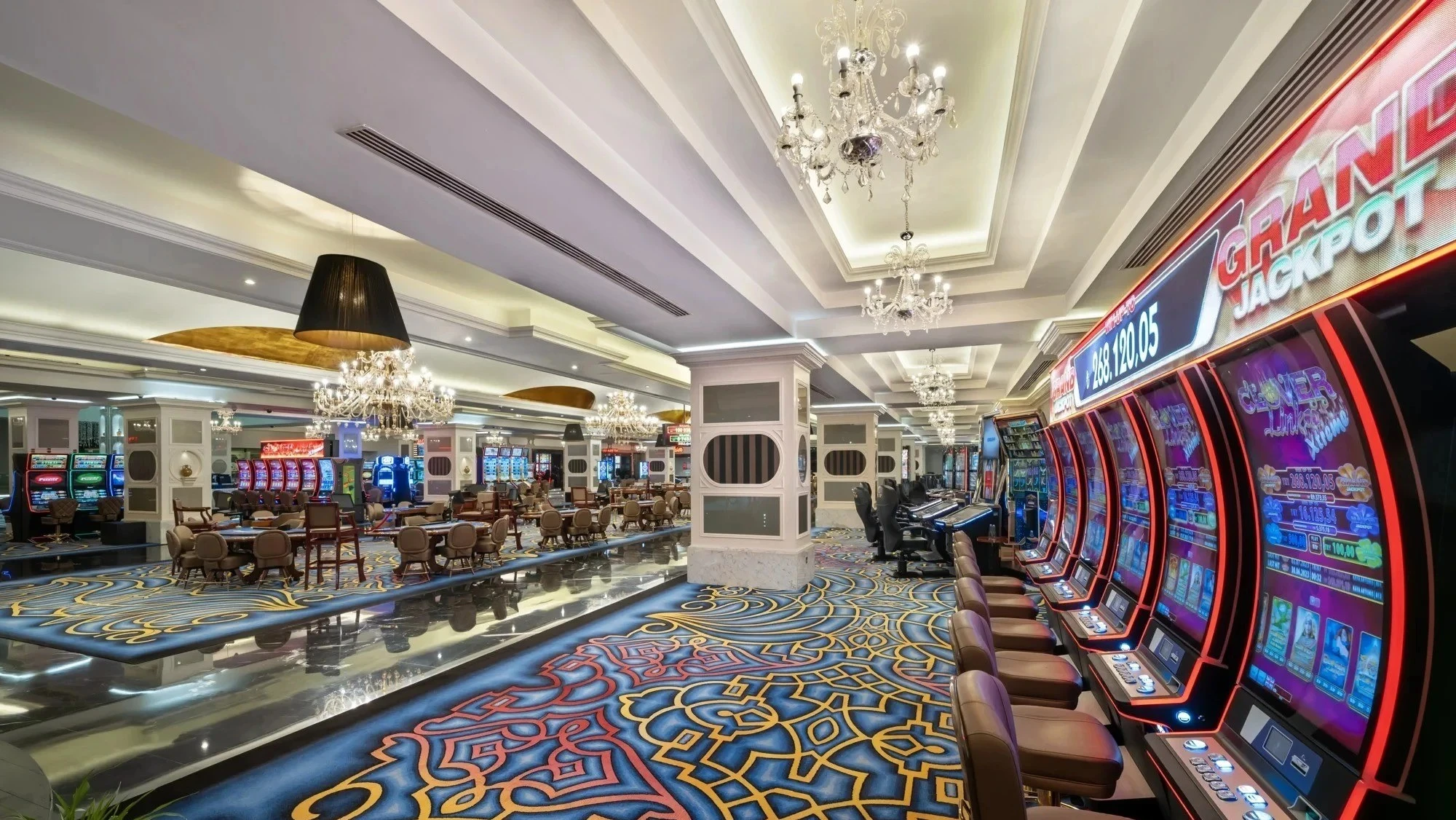
Atriums, main corridors, casino floors, and dining rooms require the highest density constructions available, engineered specifically for constant multi-directional pedestrian flow and frequent contact with wheeled equipment.
Cabin Corridors
While slightly less trafficked than public atriums, cabin hallways see repeated luggage cart and housekeeping trolley traffic daily. A high-density, low-profile construction here balances durability with acoustic performance, reducing impact noise transfer into staterooms.
Guest Cabins
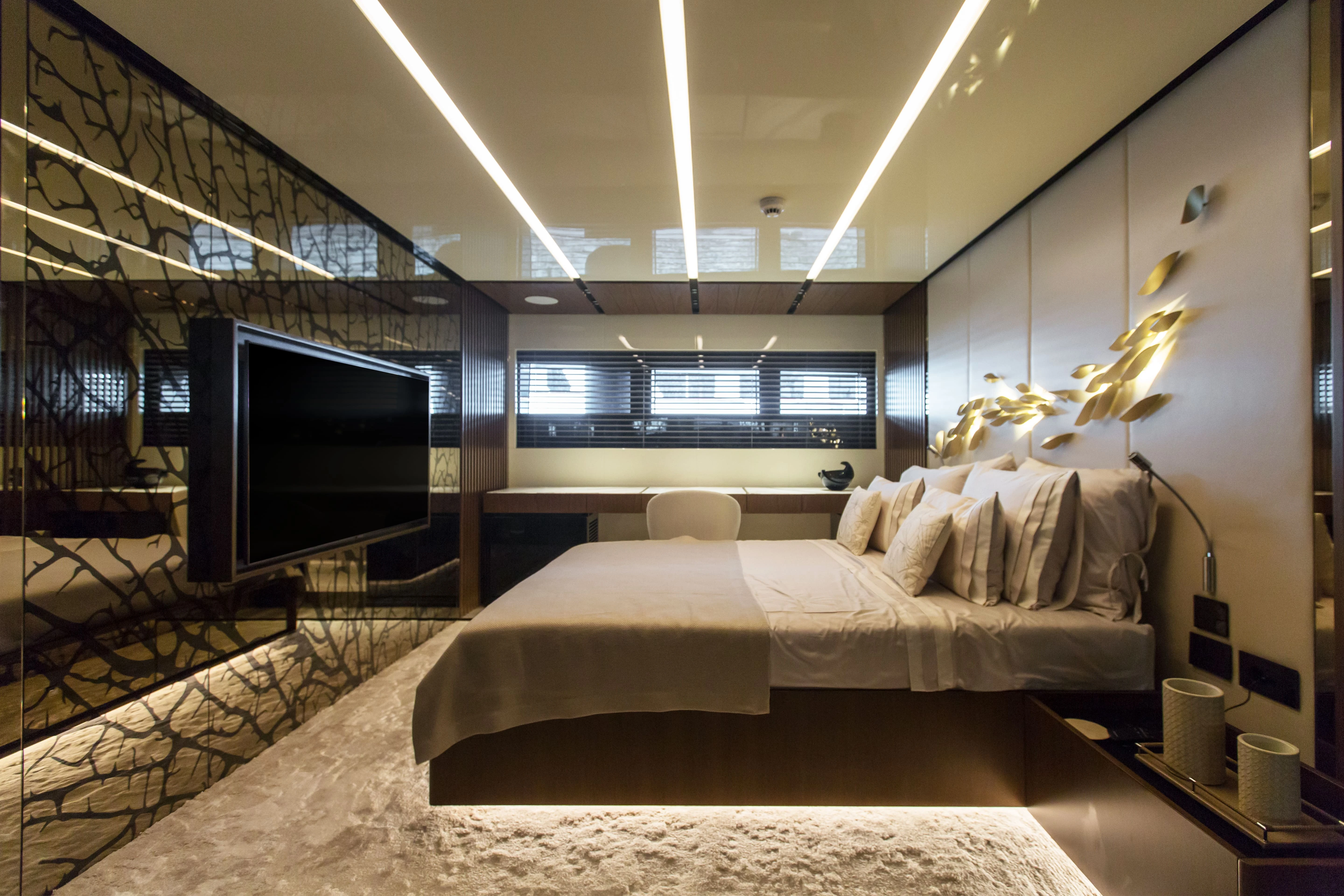
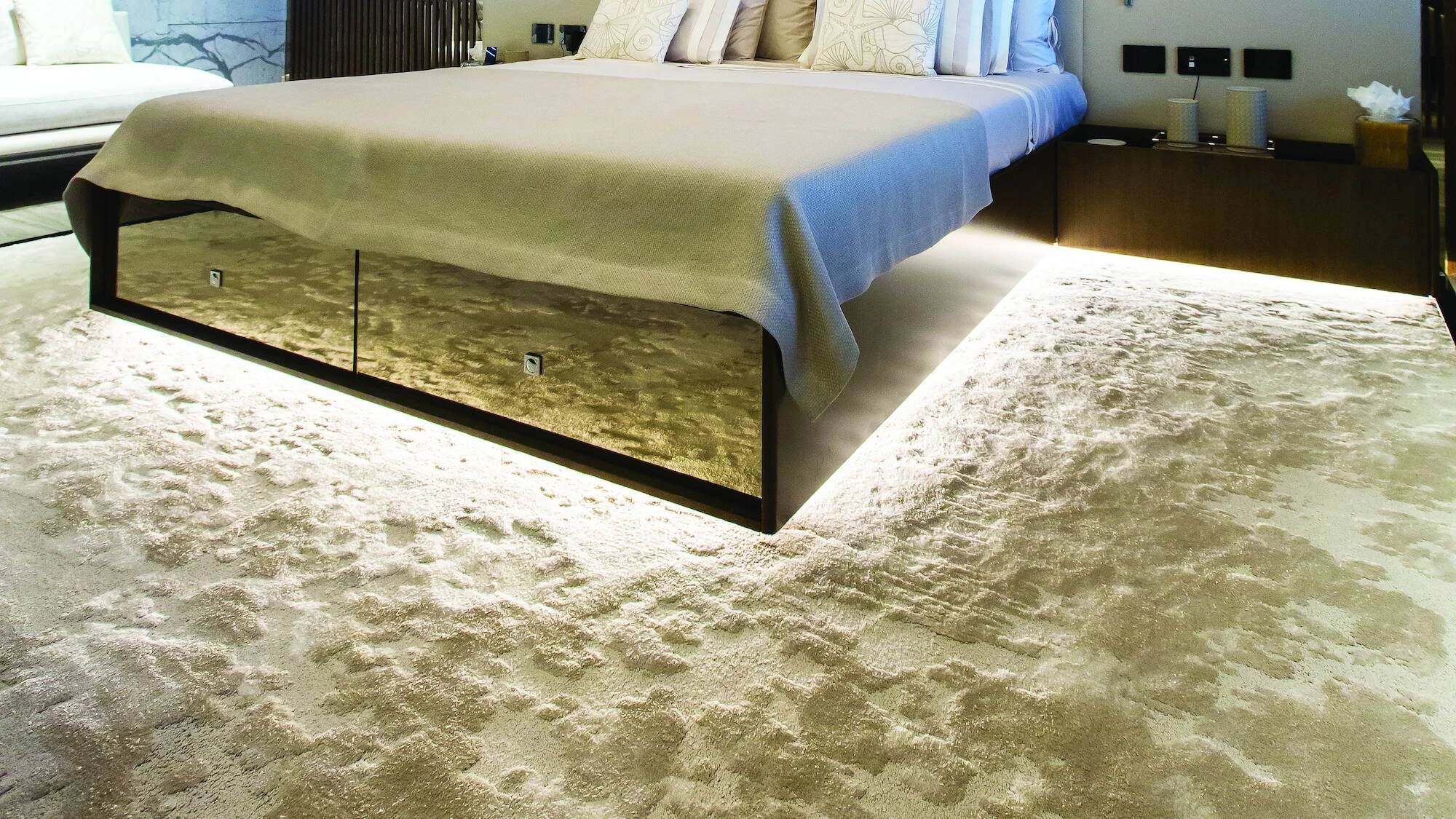
Interior cabins can generally specify a moderately dense carpet, prioritizing comfort and acoustic softness, since traffic is limited to individual guests rather than continuous public flow.
Crew and Service Areas
Back-of-house corridors and crew areas demand near-maximum density and robust backing systems, as these spaces often see even heavier and more frequent traffic than guest-facing zones, with less tolerance for premature wear.
Backing Systems and Moisture Resistance
Density performs best when paired with a marine-grade backing system engineered for moisture resistance and dimensional stability. Backings should resist wicking in humid or occasionally damp conditions and maintain adhesion integrity despite the vessel's constant vibration and flexing. Specifying density and backing as a matched system — rather than independently — is essential to achieving the full expected service life on board.
Practical Specification Checklist
When evaluating a marine carpet program for a newbuild or refit, project teams should confirm:
-
Density rating appropriate to the specific zone's traffic intensity
-
IMO/SOLAS fire certification documentation for the fiber and backing system
-
Moisture and salt-air resistance testing data
-
Acoustic performance data, particularly for cabin-adjacent corridors
-
Warranty terms specific to marine applications, not land-based equivalents
Specifying for the Full Voyage
Carpet density is not a cosmetic detail — it is a core engineering decision that determines how a cruise ship's interior will perform, look, and sound for years of continuous operation. Matching density to each zone's traffic profile, and pairing it with the right backing and fire-rated construction, protects both the guest experience and the owner's long-term maintenance budget.
Specifying marine flooring requires access to real material samples, technical data sheets, and construction specifications — not just visual renderings. Our team at Marine Carpets works directly with interior designers and project managers to align density, backing, and compliance requirements to your vessel's exact deck plan.

Take a look at other news and blog
Thus, our carpet manufacturing focuses on theneeds of our customers, ranging from the Hospitality industry, the Entertainment industry,Transport industry and Commercial enterprises as well.