The Role of Woven Carvings in Creating Memorable Hotel Interiors
In luxury hospitality architecture, spatial narrative is conveyed through the tactile and visual synthesis of interior finishes. Floor coverings are no longer viewed merely as functional background elements; thoughtful hotel carpet design functions as a primary architectural surface that grounds spatial geometry, defines circulation, and absorbs sound. When integrated into the initial design phase, bespoke carpet becomes a powerful medium for spatial storytelling and visual identity.
Creating memorable hospitality spaces requires moving beyond two-dimensional surface treatments. By utilizing advanced woven construction techniques paired with precise hand-carving and dimensional shearing, interior architects can transform floor planes into expressive architectural elements.
Why Hotel Carpet Design Matters in Hospitality Interiors
Floor coverings occupy the largest continuous horizontal surface in any interior scheme. Because a guest's line of sight naturally encompasses the floor plane upon entering a space, the carpet sets the initial visual weight, color temperature, and acoustic atmosphere of the property.
Carpet as Part of the Architectural Language
Rather than treating textile specification as an isolated decorative task, leading design studios integrate carpet concepts alongside joinery, lighting grids, wall finishes, and structural geometry. A custom carpet design should mirror or counter-balance architectural elements—such as echoing ceiling coffers, referencing structural column grids, or aligning with custom millwork profiles. This alignment reinforces spatial hierarchy and creates an immediate sense of architectural order.
Using Pattern and Texture to Define Space
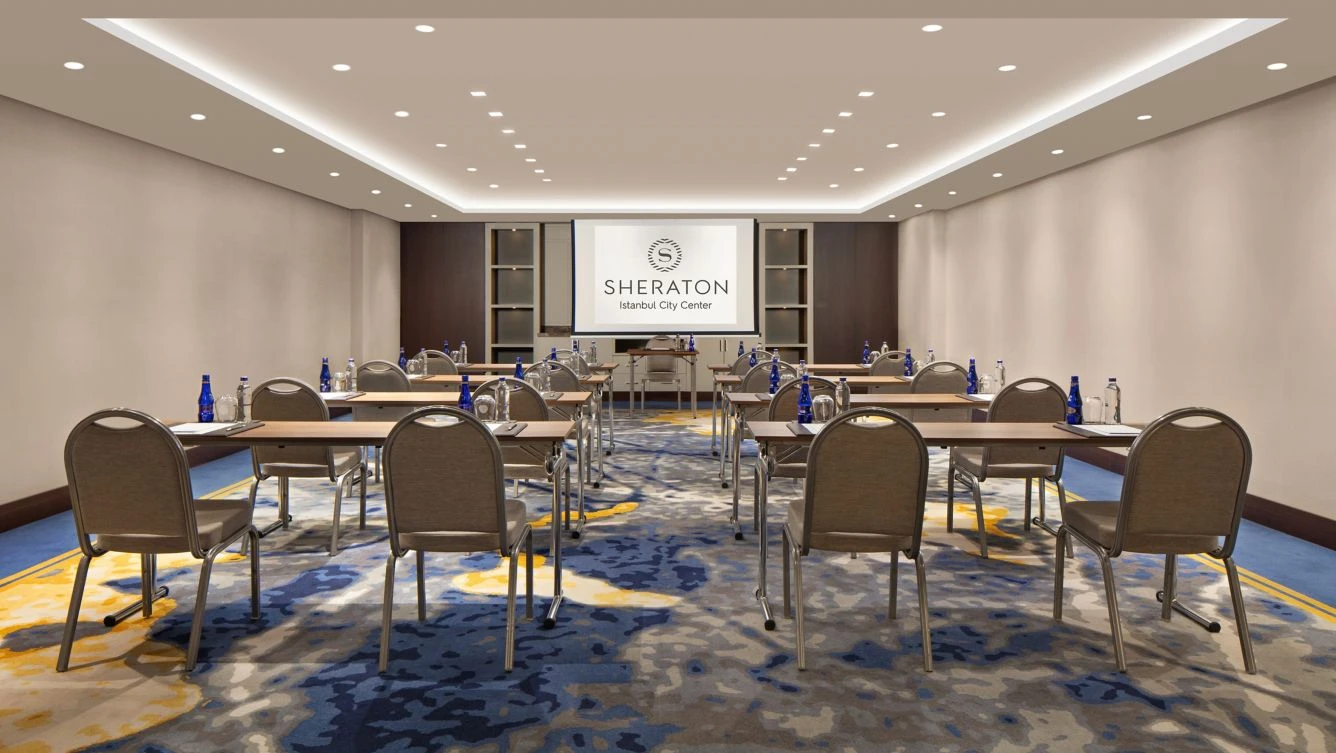
In open-plan hospitality layouts, physical walls can interrupt spatial flow. Floor coverings offer a sophisticated alternative for defining functional zones without visual barriers. Variations in yarn density, pattern scale, and pile heights can subtly delineate a lively reception zone from a quiet fireside lounge, or mark the transition from a main circulation corridor into an intimate dining alcove.
The Design Potential of Woven and Carved Carpets
The structural versatility of commercial carpet manufacturing allows designers to move beyond flat visual patterns into three-dimensional surface textures.
Creating Depth Through Carving and Dimensional Detail
Carving—the process of hand-shearing or beveling the pile along pattern outlines—introduces shadow lines, tactile contrast, and tactile depth to a carpet surface. By cutting relief channels between contrasting yarn colors or shifting pile heights between cut and loop constructions, specifiers can emphasize geometric motifs and create organic, fluid transitions.
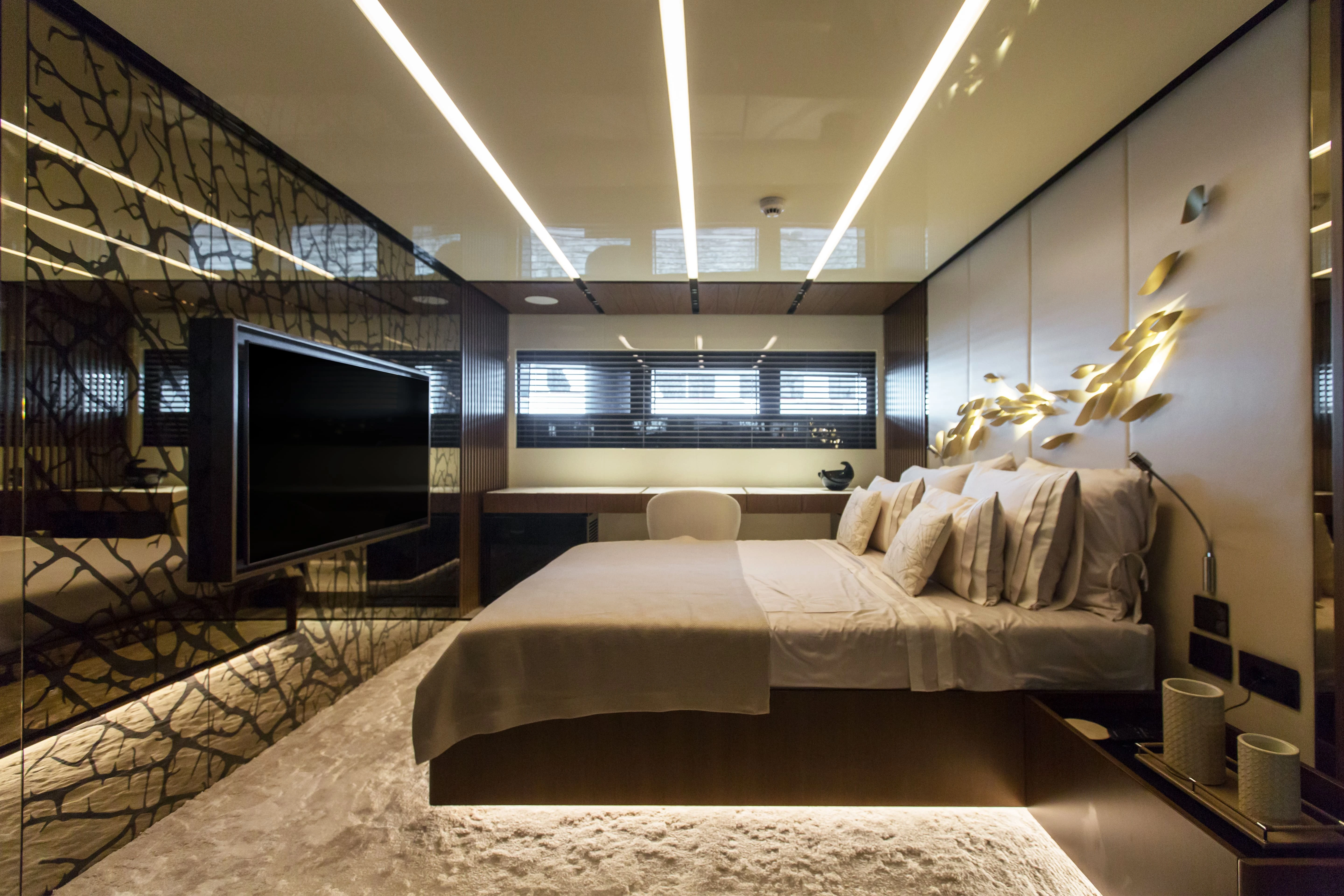
In specialized applications, carved borders convert broadloom fields into three-dimensional woven surfaces that catch ambient architectural lighting. High-angle side lighting across a carved cut-and-loop pile projects subtle shadow lines, giving two-dimensional artwork three-dimensional depth under varying natural light conditions.
Integrating Bespoke Patterns Into Hotel Interiors
Bespoke pattern development offers complete creative freedom, enabling design teams to translate brand heritage, local historical motifs, or natural landscapes into textile layouts. Specifying a tailored hospitality floor covering design ensures that scale, repeat dimensions, and color saturation are proportional to the architectural volume of the space, preventing visual crowding or diluted impact.
Designers seeking inspiration for bespoke pattern libraries, organic textures, and historic motifs can review curated concepts across our portfolio on the Designs page.
From Floor Covering to Woven Architectural Element
A holistic interior concept views every material layer as part of a continuous narrative. Bespoke hotel interiors rely on floor coverings to link disparate material palettes—such as natural stone, polished metals, architectural glass, and rich timber veneers—into a unified environment.
Connecting Carpet Design With the Interior Concept
When developing a custom carpet, designers can select yarn colors that bridge wall finishes and loose FF&E upholstery. For instance, incorporating small accents of metallic-toned yarns or rich timber hues within the carpet matrix physically draws the surrounding room palette down into the floor plane, creating material harmony.
Creating Visual Transitions Between Hospitality Zones
Wayfinding in modern hotel design relies increasingly on visual cues rather than directional signage. Custom woven carpets establish intuitive circulation paths by adjusting pattern density or directional lines toward key focal points, such as reception desks, elevator banks, or grand staircases. Smooth pattern transitions between public areas and private suites prepare the guest psychologically for quieter, more intimate environments.
How Designers Can Approach Bespoke Hotel Carpet Design
Developing a custom textile specification requires balancing creative ambition with real-world operating demands.
-
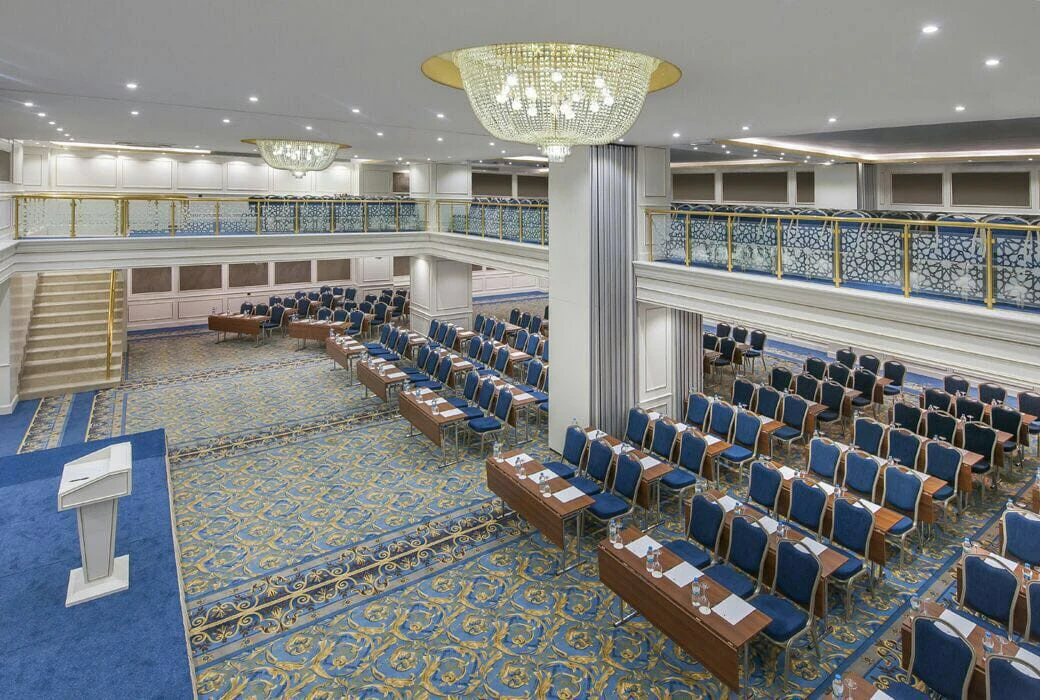
Scale and Proportion: Patterns must be engineered to fit the physical room dimensions. A large-scale organic motif designed for an expansive pre-function ballroom will feel overwhelmed if compressed into a narrow guest corridor.
-
Color Palette and Lighting Conditions: Yarn colors must be evaluated under the actual color temperature of the property's specified lighting (ranging from 2700K warm LED to natural daylight), as artificial light significantly alters color perception and contrast.
-
Balancing Visual Impact With Practicality: High-traffic zones require careful density tuning. Carving techniques in high-traffic corridors should utilize shallow beveling to prevent dirt accumulation while retaining crisp visual line definition.
Where Custom Carpet Design Can Transform Hospitality Spaces
Different hotel environments demand distinct design responses to fulfill their functional and aesthetic roles:
Hotel Lobbies and Reception Areas
As the primary touchpoint of the guest journey, lobby spaces require bold visual statements and immediate brand expression. Large-scale carved motifs, rich textural contrasts, and dramatic focal rugs anchor reception seating and establish an atmosphere of luxury.
Guest Corridors, Lounges, and Public Spaces
Corridors demand linear rhythm and visual interest to break up long architectural expanses. Directional patterns paired with dense cut-pile constructions reduce perceived hallway length, dampen footfall acoustics between rooms, and guide guests naturally toward their accommodations.
Architects and developers looking to evaluate real-world custom installations across international hotels and resorts can browse executed installations on our Projects page.
Collaborating With a Carpet Manufacturer From Concept to Specification
Translating an architectural render into a durable, woven textile requires close collaboration between the interior design studio and the master weaver. Early engagement with the manufacturer allows teams to refine yarn choices, review physical tuft strike-offs, adjust pattern scales, and verify fire safety compliance before full-scale loom production begins.
A collaborative engineering process ensures that delicate hand-carved details and custom color blends perform reliably under demanding commercial traffic conditions without compromising the original design intent.
Explore Custom Carpet Designs
Transforming an architectural concept into an enduring hospitality interior requires a balance of creative vision, material expertise, and precision weaving. Whether you are developing a flagship luxury hotel, detailing a boutique property, or restoring a historic hospitality venue, our design and technical teams are ready to collaborate on your bespoke specification.
Contact Contempo Carpets to request custom strike-offs, explore our design archives, or schedule a technical design consultation for your upcoming hospitality project.