How Architectural Flooring Can Improve Acoustics in Hotels, Casinos and Public Spaces
Architectural acoustics play a fundamental role in shaping how human beings experience large interior volumes. In high-traffic commercial environments, the soundscape directly influences spatial orientation, speech intelligibility, and overall comfort. While acoustic strategies frequently center on ceiling baffles, wall paneling, and structural dampening, the floor plane represents one of the largest continuous surfaces available for managing ambient sound.
Evaluating architectural flooring as part of an integrated acoustic strategy requires balancing aesthetic intent, physical durability, and material performance. When specified thoughtfully, textile floor coverings contribute to sound management while enduring the mechanical demands of commercial use.
Why Acoustic Comfort Matters in Large Interior Spaces
Large-scale commercial interiors—such as hotel lobbies, open-plan reception areas, casino floors, and public circulation halls—routinely feature expansive volumes and hard architectural finishes. Materials like polished concrete, stone, tile, and glass reflect sound waves back into the room, creating an environment susceptible to excessive noise build-up.
When multiple reflective surfaces interact, ambient sound waves bounce continuously across the space. This process extends reverberation time, which can obscure speech clarity and elevate overall background noise levels. In high-density settings, occupants naturally raise their voices to overcome the ambient chatter, further compounding the acoustic burden.
Managing noise in these spaces is not merely an aesthetic preference; it is a functional requirement. Addressing spatial reverberation through strategic material selection allows architects to establish well-delineated zones within open plans without relying on physical partitions.
How Carpet Interacts with Sound Inside a Space
Textile floor coverings interact with acoustic energy differently than hard flooring alternatives. While rigid surfaces reflect the majority of incident sound waves back into the room, open-fiber structures allow sound energy to penetrate the pile matrix.
The Mechanics of Sound Dissipation
When sound waves hit a textile surface, the air vibrations pass into the channels between individual fibers. The friction between the moving air molecules and the fiber walls converts a portion of that acoustic energy into low-level thermal energy, reducing the amount of sound reflected back into the space.
Differentiating Acoustic Phenomena
To specify flooring effectively, architects must distinguish between key acoustic behaviors:
-
Sound Absorption: The capacity of a material to reduce sound reflection within a space, helping control reverberation time.
-
Impact Sound Transmission: The structure-borne noise generated by footfall, rolling loads, or dropped objects traveling through the floor assembly into adjacent spaces below.
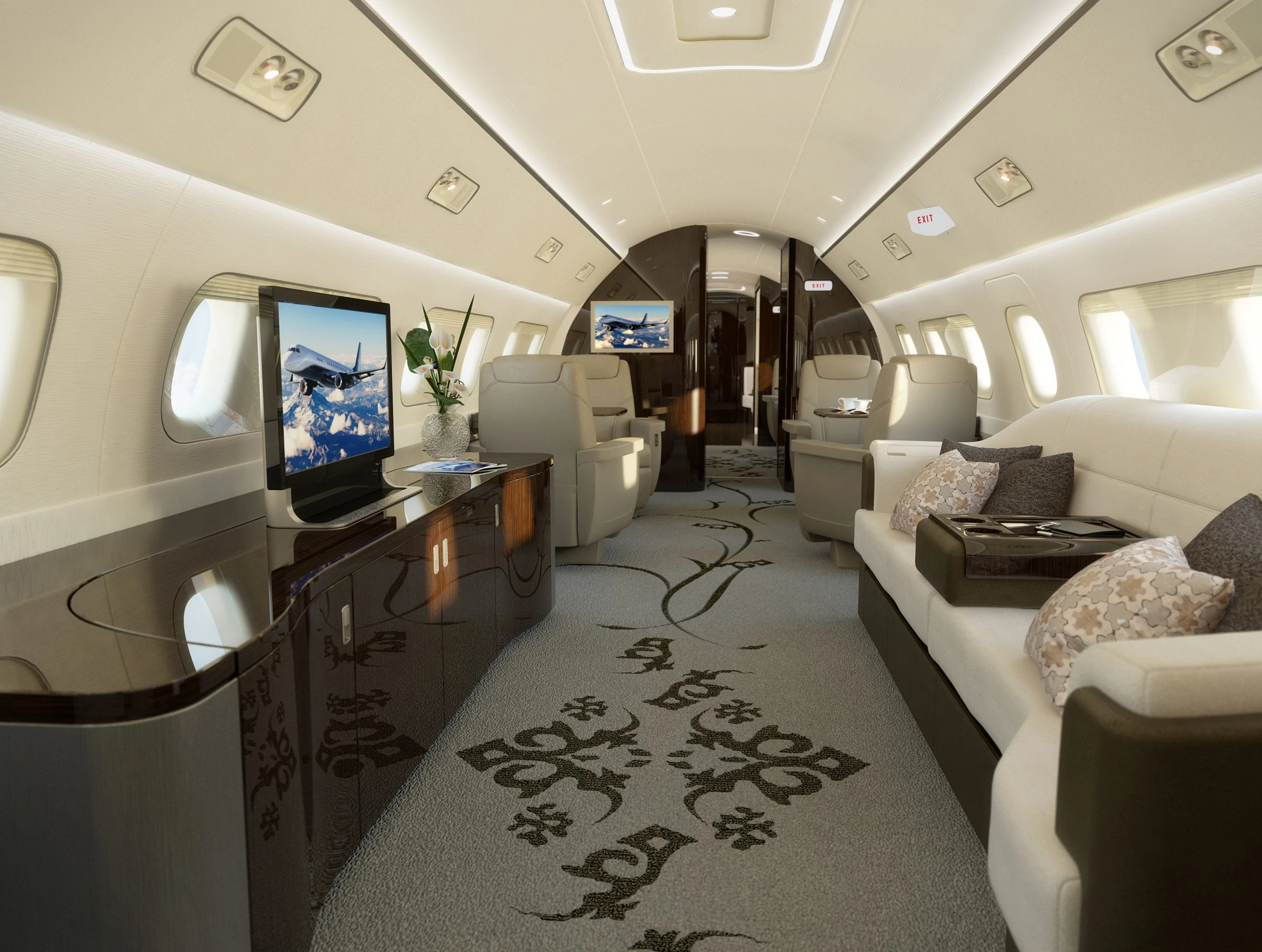
Specifying an acoustic carpet for hotels allows design teams to address both airborne reverberation within a room and impact noise transmission between levels. However, the exact acoustic contribution of a carpet depends on pile density, fiber composition, pile height, backing structure, underlayment choices, and overall room geometry.
The Role of Floor Covering Acoustic Performance
Evaluating a floor covering's acoustic performance should occur during early architectural development rather than as a post-occupancy corrective measure. Flooring materials function as part of a complete spatial assembly, meaning their performance is linked to surrounding finishes.
A dense pile carpet placed beneath an uninsulated ceiling will yield different overall room acoustics than the same carpet installed in a space with acoustic wall paneling and sound-dampening ceiling tiles. Specifiers should evaluate the entire room envelope, reviewing technical documentation for carpet backing systems and cushion underlays to understand how the floor covering supports the broader building acoustic targets.
Acoustic Carpet Applications in Hotels
Hotel properties present varied operational zones, each requiring a tailored approach to material specification and acoustic management.
Corridors and Circulation Spaces
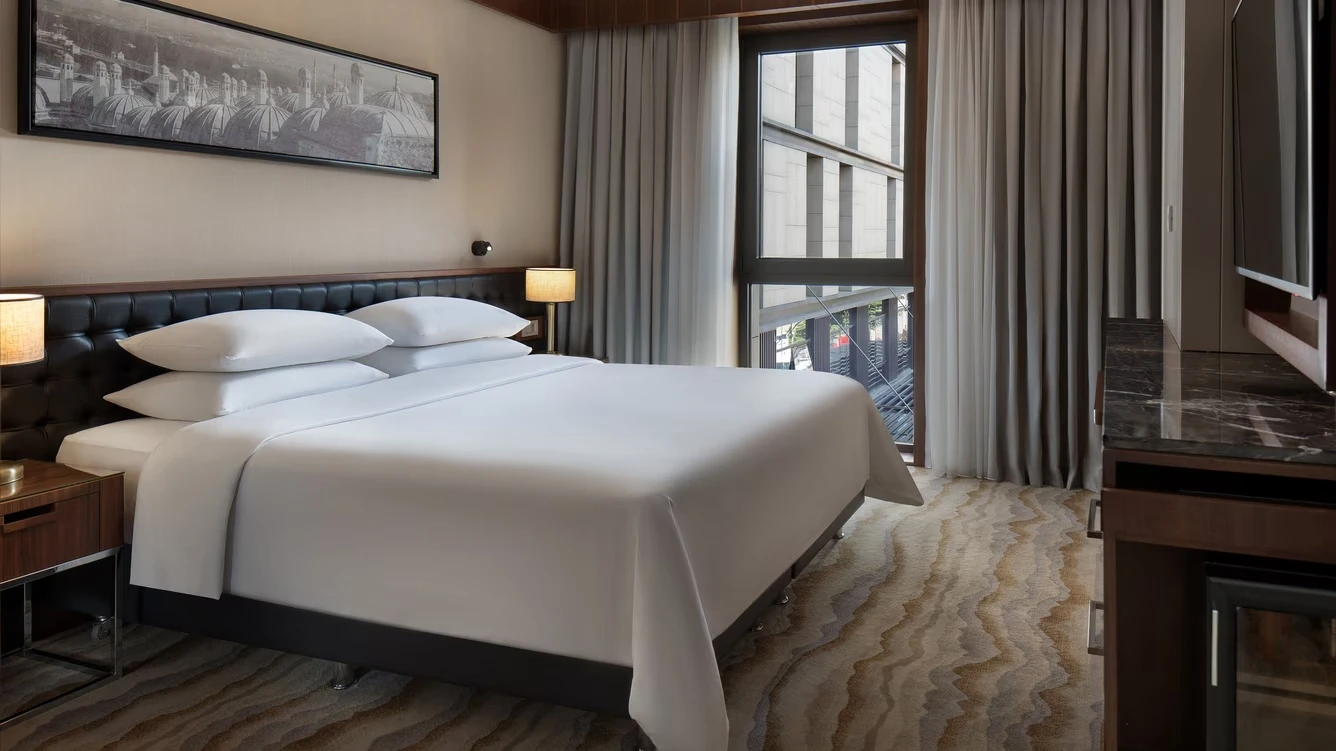
Guestroom corridors endure continuous footfall, rolling luggage carts, and late-night movement. Minimizing impact sound transmission through floor slabs is critical to maintaining quiet guest rooms. Heavy contract broadloom paired with high-density cushion underlay absorbs footfall energy at the surface, preventing impact vibrations from transferring into the structural frame.
Lobbies, Restaurants, and Public Lounges
Public areas require a balance between visual impact, heavy foot traffic, and ambient sound control. High-volume lobbies with soaring ceilings benefit from textured or high-density cut-pile carpets that reduce speech reverberation. In hotel dining rooms, strategic carpet placement beneath seating areas softens footfall and chair movement, improving speech intelligibility across tables.
Carpet and Acoustic Considerations in Casinos and Entertainment Venues
Casinos and entertainment facilities represent complex acoustic environments. These large, open footprints combine high occupancy levels, constant movement, background music, gaming equipment, and central circulation paths.
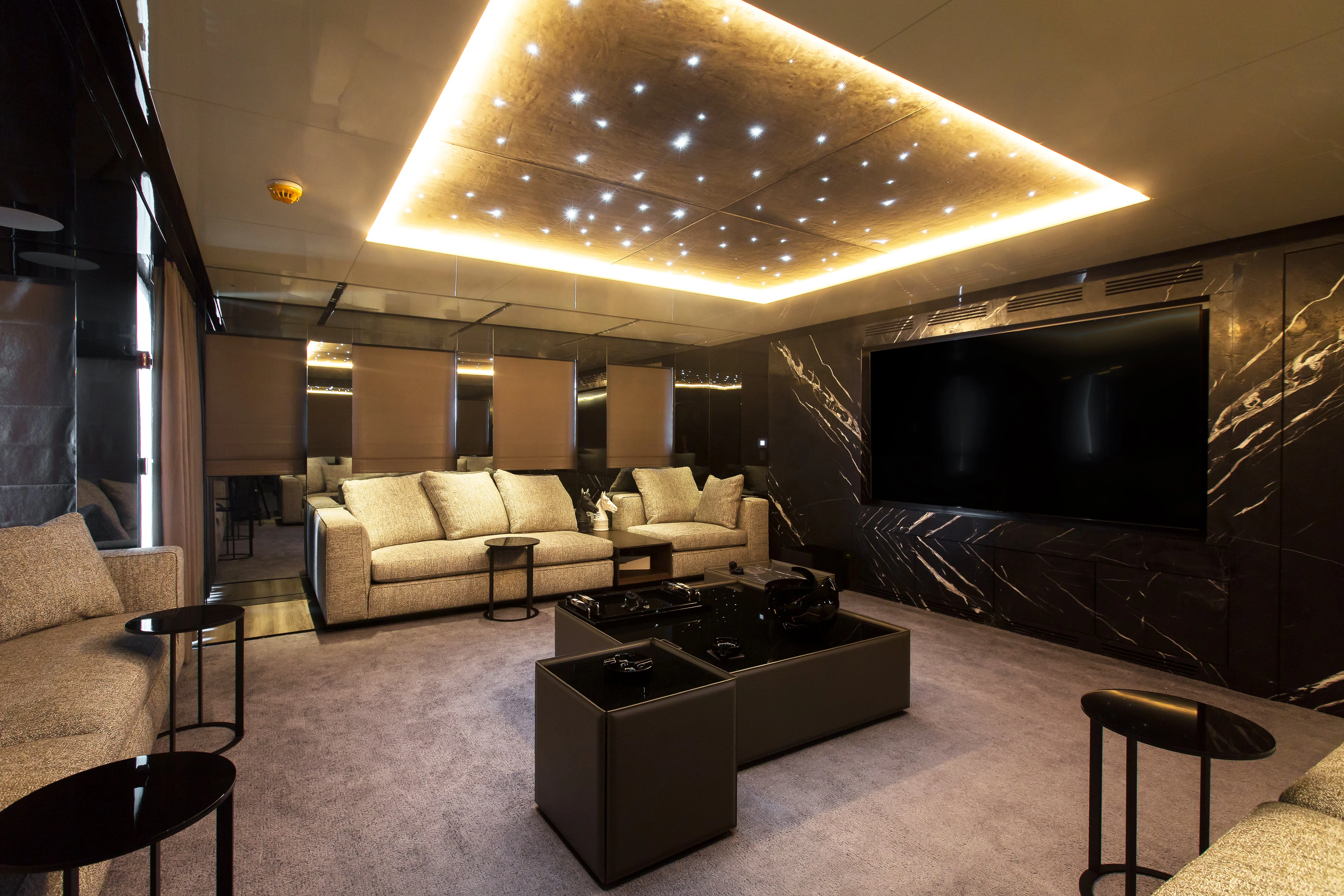
Design teams developing concepts for the entertainment industry must balance acoustic management with extreme wear requirements. Selecting heavy contract casino flooring involves specifying dense carpet constructions that reduce equipment impact noise and footfall chatter while preserving pattern clarity and stain resistance.
Because gaming floors operate continuously, carpet specifications in these zones must integrate acoustic benefits with durable backing systems engineered for heavy rolling loads and continuous mechanical cleaning regimes.
Designing Public Spaces with Acoustic Performance in Mind
In civic facilities, commercial office buildings, retail environments, and conference centers, floor coverings contribute to spatial identity and acoustic comfort.
Integrating a high-performance sound absorption floor covering across large public spaces helps tame ambient noise in shared circulation paths. When applied thoughtfully within commercial enterprises, textile flooring aids in defining quiet meeting zones, damping reverberation in multi-story atriums, and maintaining a comfortable acoustic balance across open floor plans.
What Architects Should Consider When Specifying Acoustic Flooring
When incorporating acoustic goals into a commercial flooring brief, specifiers should systematically evaluate five practical criteria:
Operational Traffic Demands
Select a carpet construction—such as woven Axminster or high-density tufted broadloom—that matches the expected foot traffic and rolling cart loads of the space. Acoustic benefits must not come at the expense of mechanical durability.
Primary Acoustic Target
Determine whether the space requires reduction of airborne reverberation, control of footfall impact noise, or both. This distinction guides decisions regarding pile height, fiber density, and underlayment selection.
Backing Systems and Cushioning
Evaluate specialized cushion backings or high-density underlays. The secondary backing layer plays a significant role in absorbing impact energy and modifying the overall acoustic performance of the installed system.
Installation Substrates
Ensure that subfloor preparation, adhesive choices, and installation methods (such as dual-bond or stretch-in applications) comply with the manufacturer's technical guidelines to achieve designed acoustic performance.
Maintenance and Lifecycle Retention
Review proposed maintenance protocols. The specified carpet construction must maintain its structural integrity and pile height under routine vacuuming and deep extraction cleaning, as matted or crushed pile loses a portion of its original acoustic effectiveness.
Why Acoustic Performance Should Be Part of the Flooring Brief
Floor coverings cannot solve every acoustic challenge within a building. Sound transmission across structural boundaries, mechanical equipment vibration, and complex spatial geometry require comprehensive engineering solutions. However, treating flooring as an active component of the acoustic brief allows architects and interior designers to manage surface reflection and impact noise effectively.
Early collaboration between architects, acoustic consultants, procurement managers, and carpet specialists ensures that specified materials align with performance requirements, visual objectives, and budget parameters. Evaluating construction type, fiber blend, backing system, and spatial context yields a balanced specification that enhances the overall quality of the interior environment.
Build Acoustic Considerations into Your Flooring Specification
Optimizing spatial acoustics requires aligning creative design intent with physical material performance. Whether you are detailing a luxury hotel, configuring an expansive casino gaming floor, or designing a high-traffic public facility, selecting the appropriate textile floor covering is a critical step in building a comfortable interior environment.
Discuss Your Flooring Requirements with the technical specification team at Contempo Carpets to review custom pattern development, structural backing options, and technical performance parameters for your upcoming commercial project.
Take a look at other news and blog
Thus, our carpet manufacturing focuses on theneeds of our customers, ranging from the Hospitality industry, the Entertainment industry,Transport industry and Commercial enterprises as well.