How to Evaluate Architectural Flooring Performance for Long-Term Commercial Portfolios
Managing architectural specifications across multi-property commercial, hospitality, or entertainment portfolios requires balancing design objectives with operational reality. Evaluating floor coverings primarily by initial purchase price is a common pitfall. Upfront material costs rarely predict how a textile assembly will perform over a multi-year operational lifecycle.
Evaluating commercial carpet performance demands a structured specification framework. Floor coverings must be audited against spatial application, anticipated traffic profiles, maintenance capabilities, and planned refurbishment cycles to protect capital investments across property portfolios.
What Does Commercial Carpet Performance Actually Mean?
In professional specification terms, performance measures how successfully a floor covering maintains its structural integrity, pile height, visual character, and acoustic properties under specific environmental conditions over time.
A comprehensive evaluation encompasses several key factors:
-
Structural Durability: Resistance of the face yarn and backing assembly to mechanical wear, tuft withdrawal, and delamination.
-
Appearance Retention: Ability of the fiber matrix to resist pile crushing, matting, soil embedding, and color fading.
-
Spatial Suitability: How appropriately carpet construction, texture, and pattern align with the operational function of the space.
-
Maintenance Compatibility: Ease with which the carpet releases soil and responds to routine deep cleaning.
Because these factors interact dynamically, the same carpet specification can yield vast performance differences depending on where and how it is installed.
Start With the Application and Traffic Profile
Auditing a building's spatial traffic profile forms the foundation of effective commercial flooring selection.
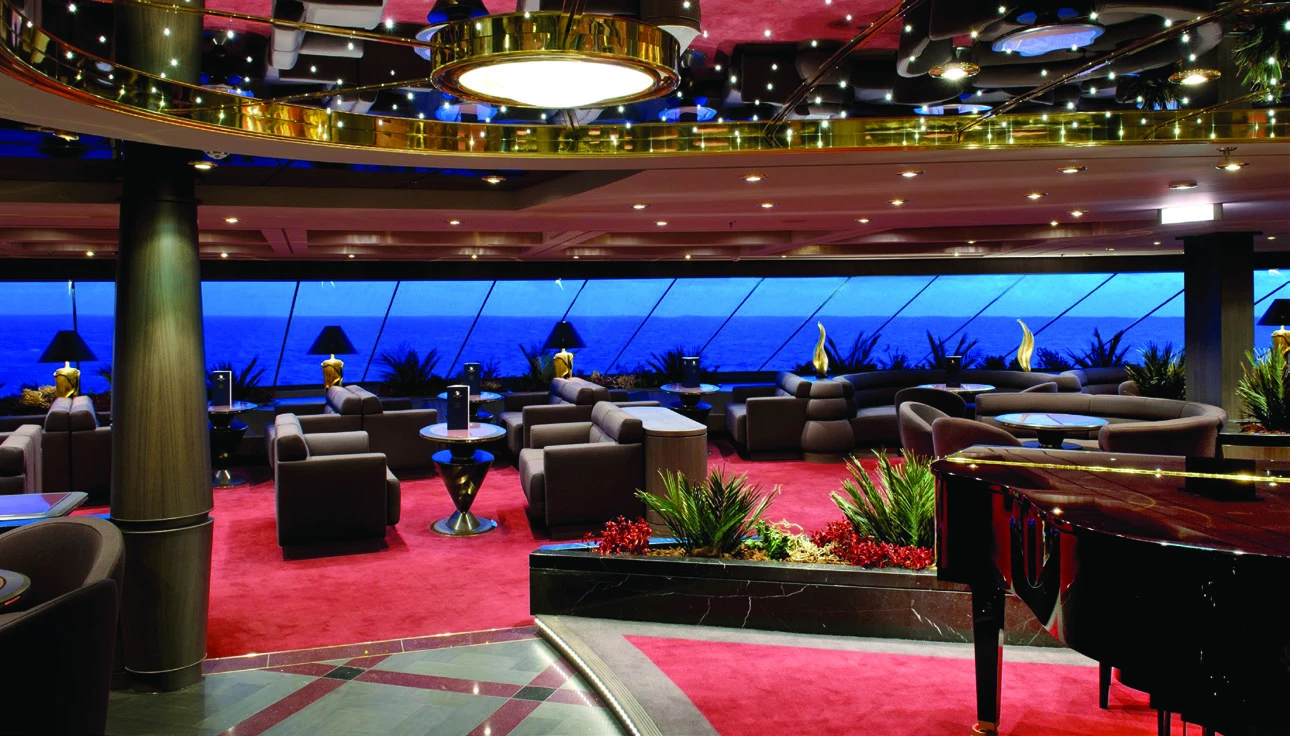
High-impact zones—such as hotel corridors, casino gaming floors, and main elevator banks—endure continuous footfall and rolling loads from luggage carts and service trolleys. Specifying a heavy traffic floor covering for these zones requires evaluating pile density, yarn twist, and backing stability to resist severe localized friction and shear stress.
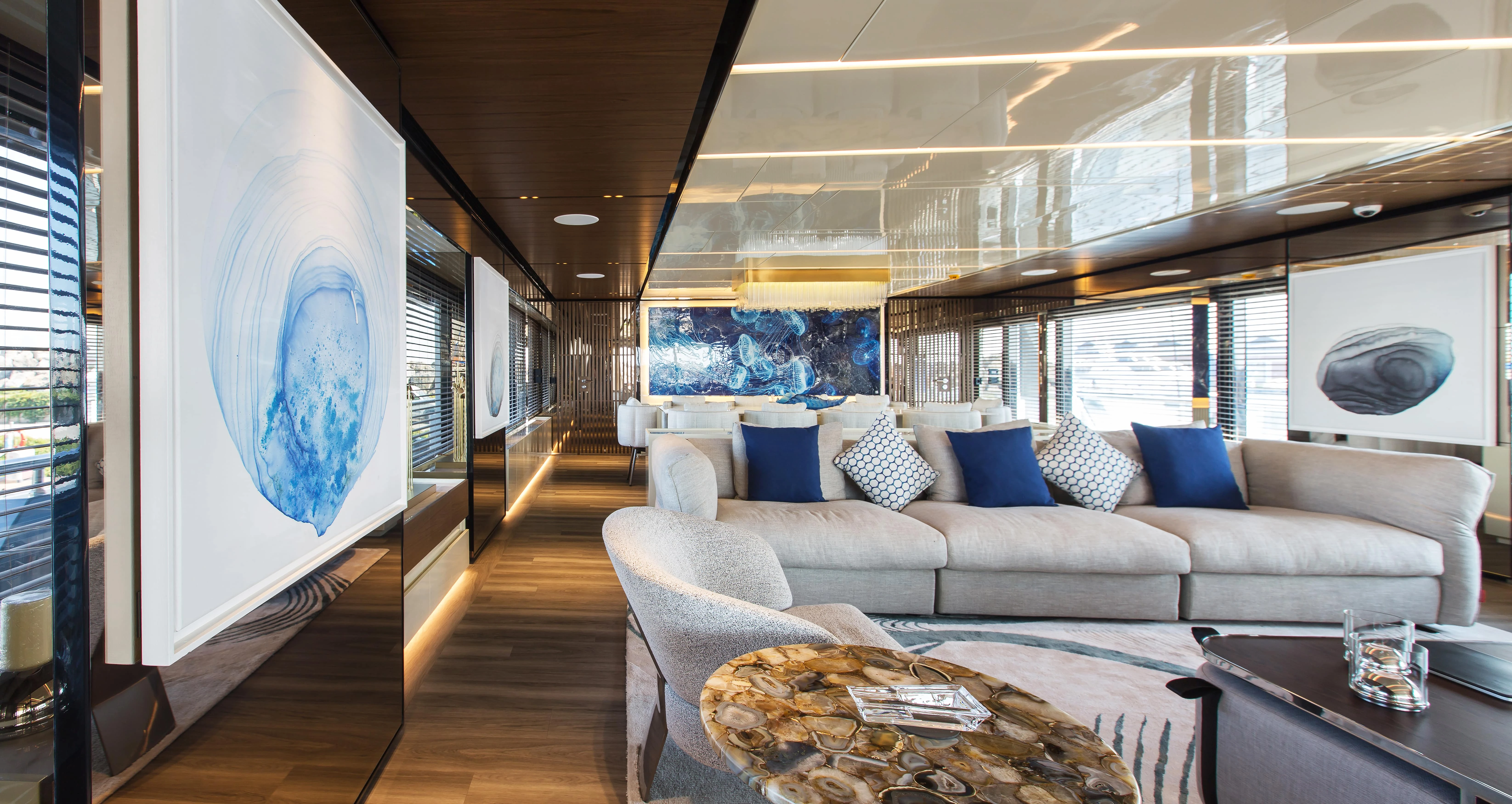
Conversely, private executive offices and hotel guestrooms experience lower footfall density. In these environments, specifications can prioritize underfoot cushioning, tactile luxury, and acoustic dampening without compromising long-term appearance.
Construction and Material Selection in Commercial Flooring
Carpet construction and fiber mechanics determine how a textile reacts to physical load over its lifecycle.
Manufacturing Construction
-
Woven Construction: Traditional Axminster looms weave face pile and backing yarns together simultaneously into an integrated matrix. This structural interlock delivers exceptional dimensional stability and zero risk of backing delamination, making it ideal for high-traffic concourses, ballrooms, and major corridors.
-
Tufted Broadloom: Punches yarn loops into a primary backing cloth secured with synthetic latex. High-density commercial tufted broadlooms offer versatile pattern capabilities and efficient lead times for widespread corporate footprints and guestroom layouts.
Fiber Selection
-
Wool Blends: An 80/20 wool-nylon blend combines wool's natural crimp resilience, flame retardancy, and soil-masking scale structure with nylon's high tensile strength and abrasion resistance.
-
Solution-Dyed Synthetics: High-performance polyamides (nylon) offer colorfastness against harsh cleaning agents and direct sunlight.
Selecting the optimal construction requires matching fiber properties to the physical stress of each zone across commercial enterprises.
Evaluating Flooring Durability Beyond the Initial Specification
A rigorous approach to flooring durability separates short-term surface wear from permanent appearance loss. A carpet may remain structurally intact yet still fail operationally if the pile crushes flat or traffic lanes discolor.
Evaluating true durability involves auditing:
-
Pile Density & Tuft Structure: Higher yarn packing keeps tufts upright, distributing point-load impact across the surface.
-
Yarn Heat-Setting: Properly heat-set twist levels prevent individual fiber bundles from unraveling.
-
Backing Integrity: Cushion backings and heavy-contract latex compounds absorb impact energy, protecting face yarns from crushing.
Evaluating these details ensures the specified carpet retains its visual character between scheduled refurbishment cycles.
Carpet Lifecycle and Total Cost of Ownership
Understanding the complete carpet lifecycle prevents procurement teams from focusing solely on upfront costs. Total cost of ownership involves analyzing every operational phase:
Factoring in the cost of operational downtime during carpet replacement is critical. In active hotels or corporate headquarters, shutting down a corridor causes major business disruption. Specifying high-performance textiles that extend replacement cycles minimizes downtime, delivering stronger long-term portfolio performance.
Explore custom flooring approaches across high-occupancy environments for the hospitality industry or review executed concepts on our Projects showcase.
Practical Selection Framework for Commercial Portfolios
When evaluating options for long-term portfolios, project specifiers should apply a simple audit framework:
-
Environmental Audit: Identify footfall volume and rolling load requirements.
-
Construction Selection: Choose between woven Axminster durability and high-density tufted versatility.
-
Material Engineering: Select fiber blends balancing soil release and abrasion resistance.
-
Operational Alignment: Ensure carpet pattern and colorway align with facility housekeeping capabilities.
-
Total Value Assessment: Balance upfront material procurement costs with long-term maintenance logistics.
Engaging a technical carpet manufacturer early in the design phase eliminates guesswork during procurement. Early collaboration allows architects and procurement directors to fine-tune yarn weights and validate strike-off samples before loom production begins.
Build a Flooring Specification Around Long-Term Value
Evaluating commercial carpet performance requires aligning creative intent with material science, spatial traffic demands, and lifecycle economics. By looking beyond upfront unit pricing and auditing total cost of ownership, facility managers and procurement directors can specify floor coverings that maintain visual standards throughout their service life.
Planning a multi-property specification? Contact the technical specialists at Contempo Carpets to request custom strike-offs, technical data sheets, or a project consultation.