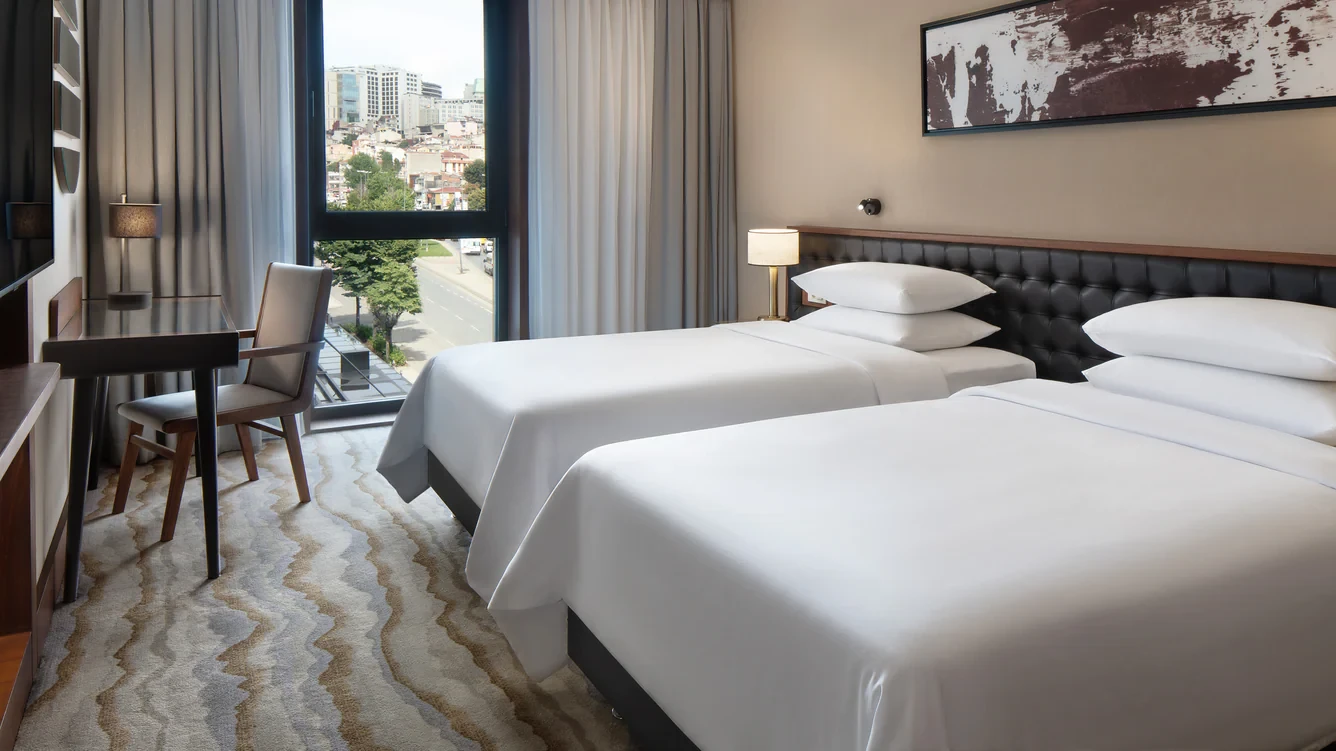
Hospitality Flooring Trends Redefining Luxury Resort Interiors
Flooring in luxury hospitality has quietly outgrown its original role as a functional building surface. It now sets the tone the moment a guest steps into a lobby, carries the visual language of a brand through corridors and suites, and shapes how a space feels underfoot long after the first impression fades. For interior designers and hospitality architects, flooring has become one of the most expressive tools available for translating a resort's identity into a physical experience—and the trends currently shaping hospitality flooring reflect a broader shift toward materials that are as intentional as they are beautiful.
Why Flooring Plays a Central Role in Luxury Hospitality Design
In high-end hospitality interiors, flooring does more work than almost any other design element. It anchors circulation paths, absorbs sound in acoustically demanding lobbies and ballrooms, and provides the tactile comfort guests associate with true luxury. It also carries brand storytelling in a way that's easy to overlook: a custom pattern, color palette, or texture can quietly reinforce a resort's positioning before a guest reads a single word of signage. Because flooring covers such a large visual and physical footprint, even small missteps in material choice or design language can disrupt an otherwise cohesive luxury hotel interior—which is why flooring decisions increasingly happen early in the design process rather than as an afterthought.
Top Hospitality Flooring Trends Shaping Luxury Resorts
Nature-Inspired Colors and Organic Textures
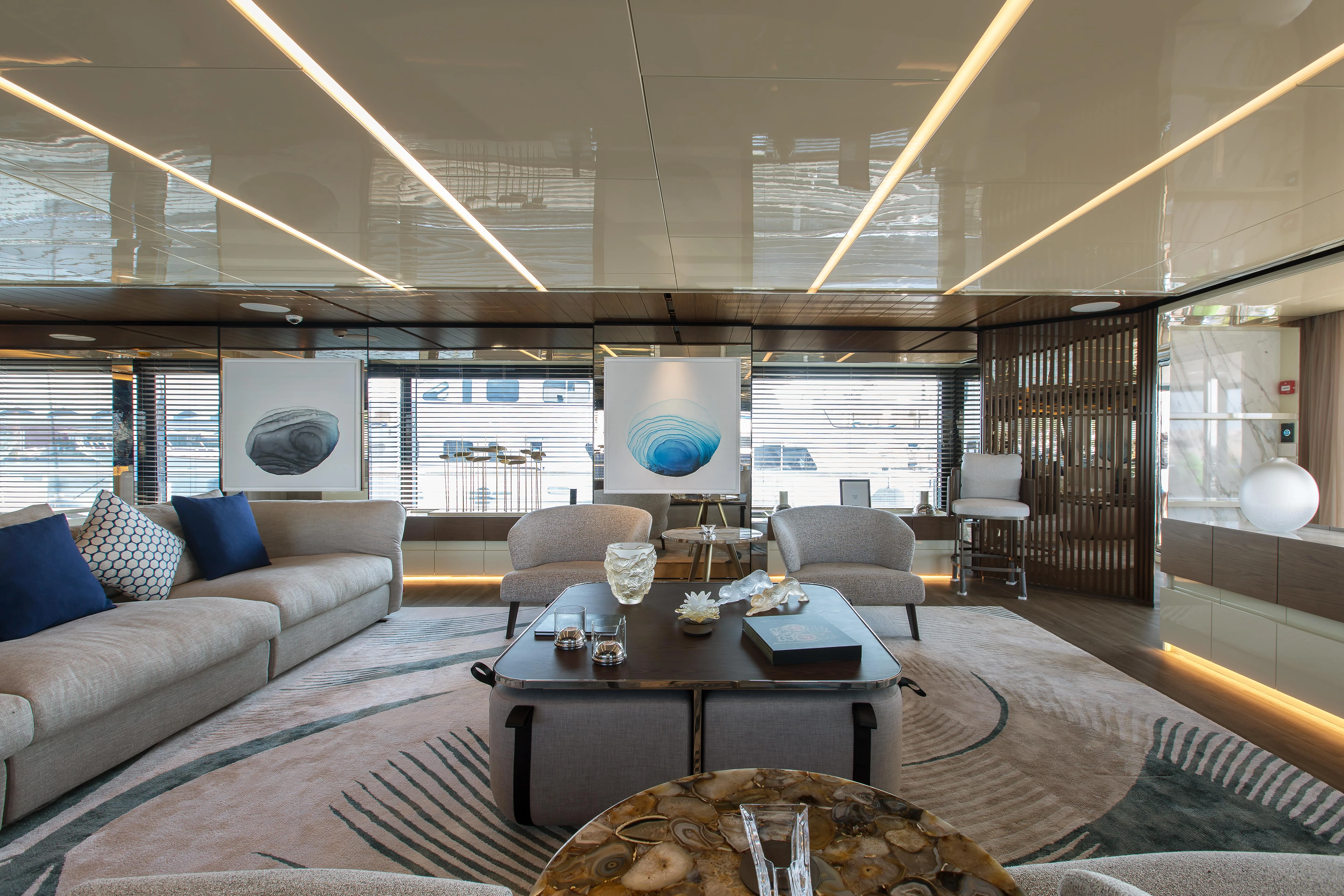
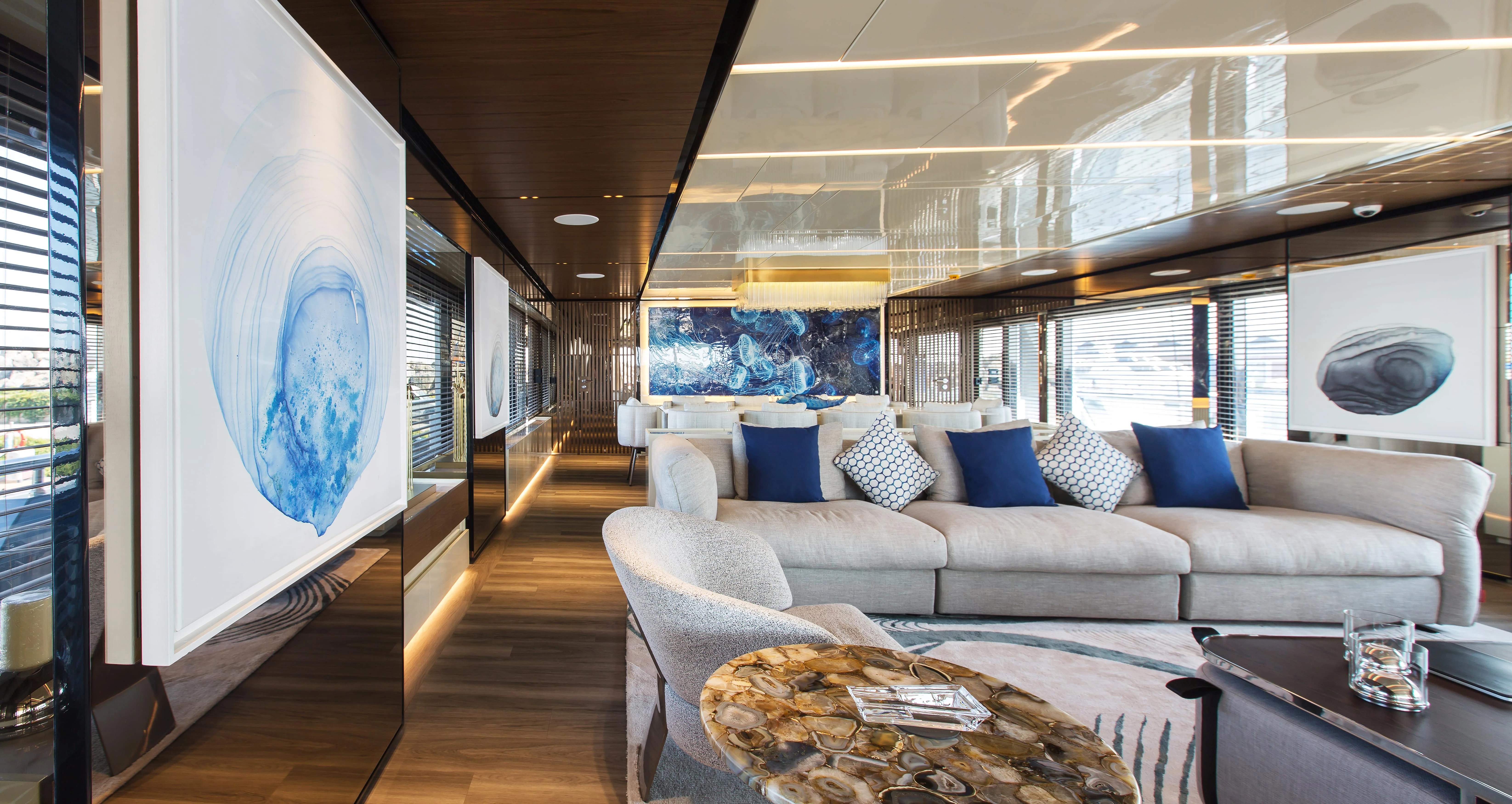
Biophilic design continues to influence luxury resort interior design, and flooring is no exception. Warm, earth-derived color palettes and organic, irregular textures help interiors feel connected to their surroundings, whether that's a coastal resort, a mountain retreat, or an urban wellness hotel. This approach softens formal spaces and creates a sense of calm that aligns with how guests want to feel while traveling.
Custom Patterns That Reinforce Brand Identity
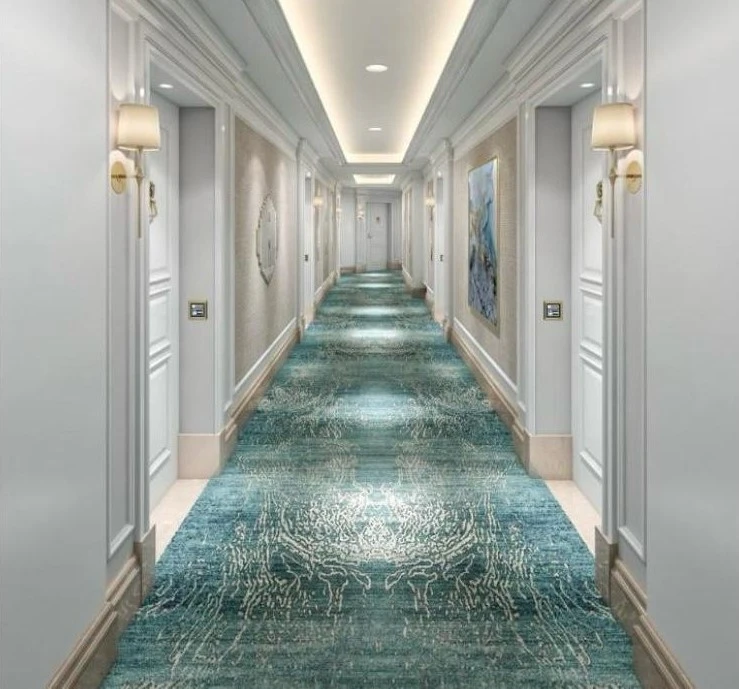
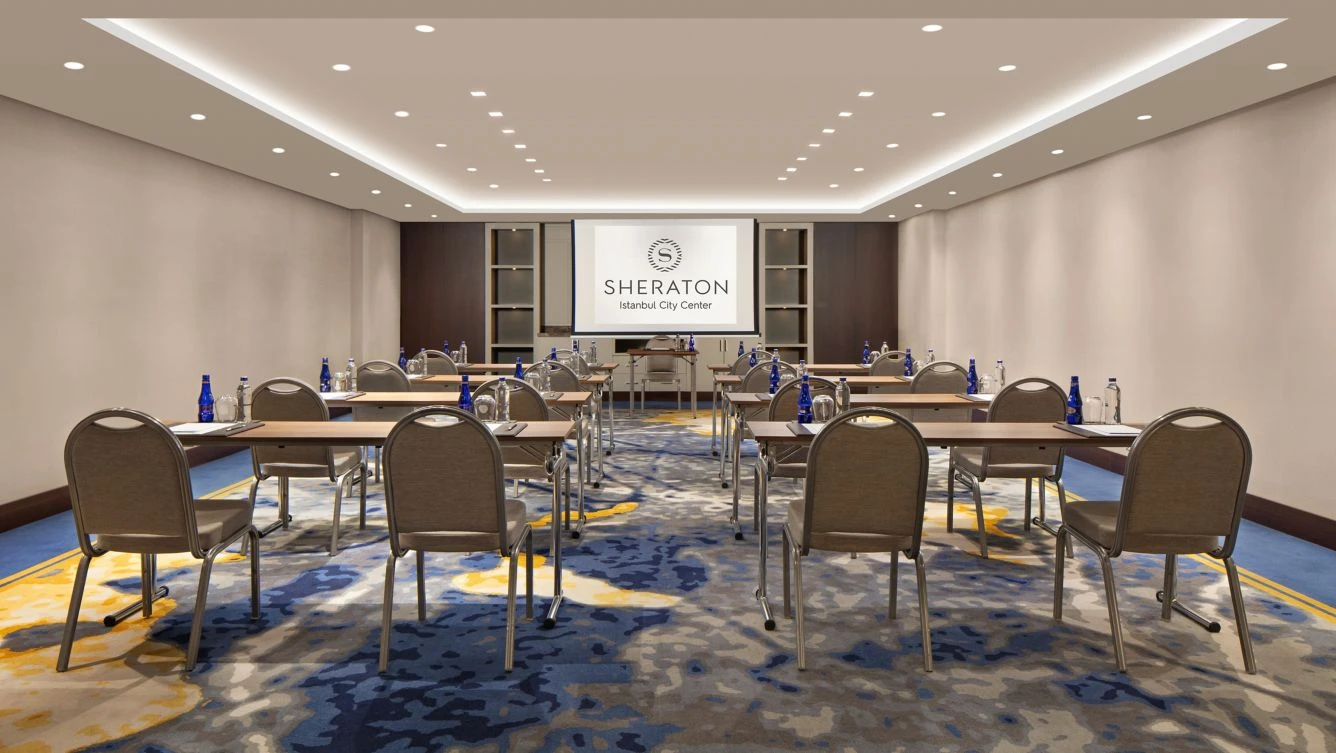
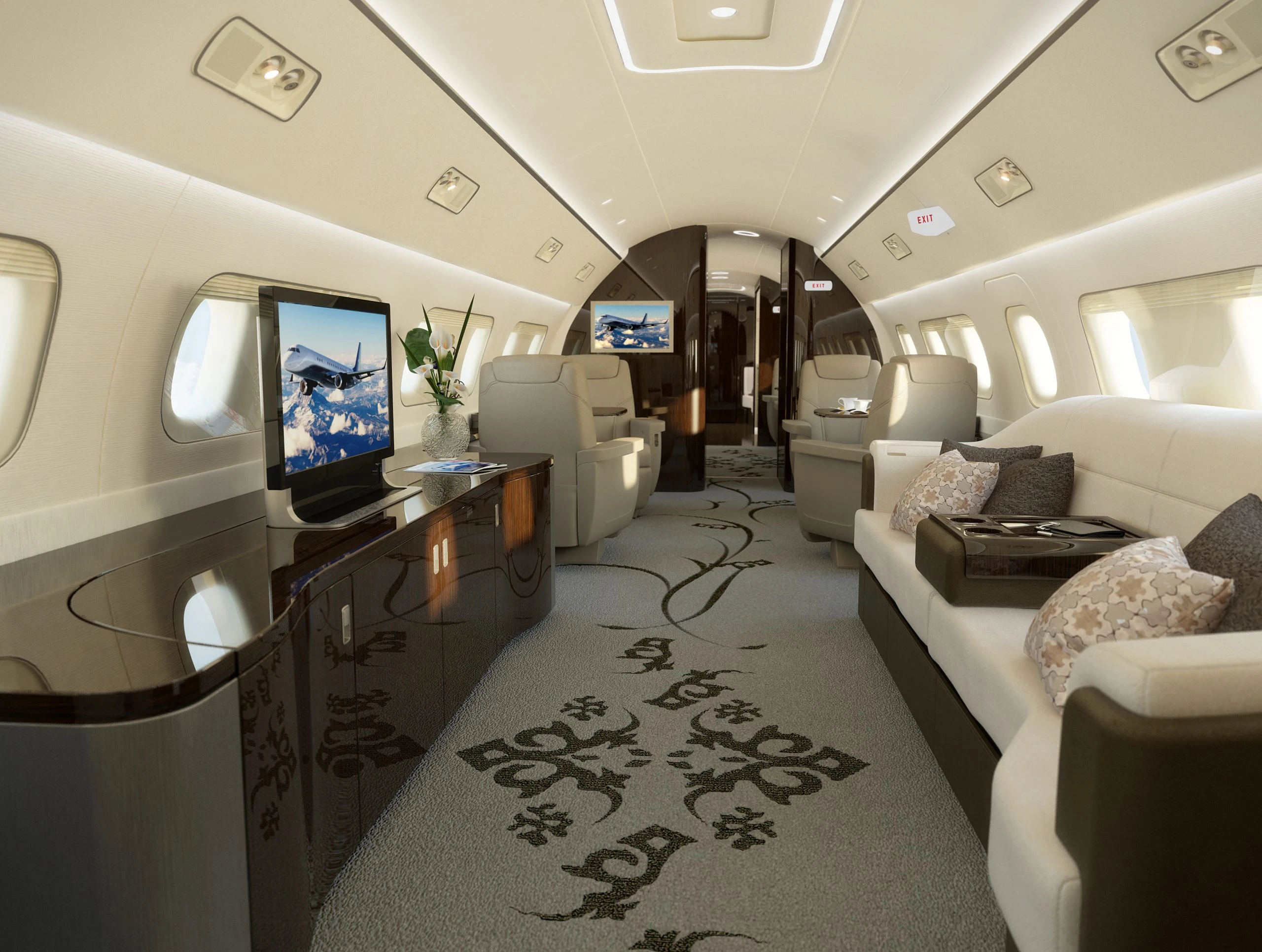
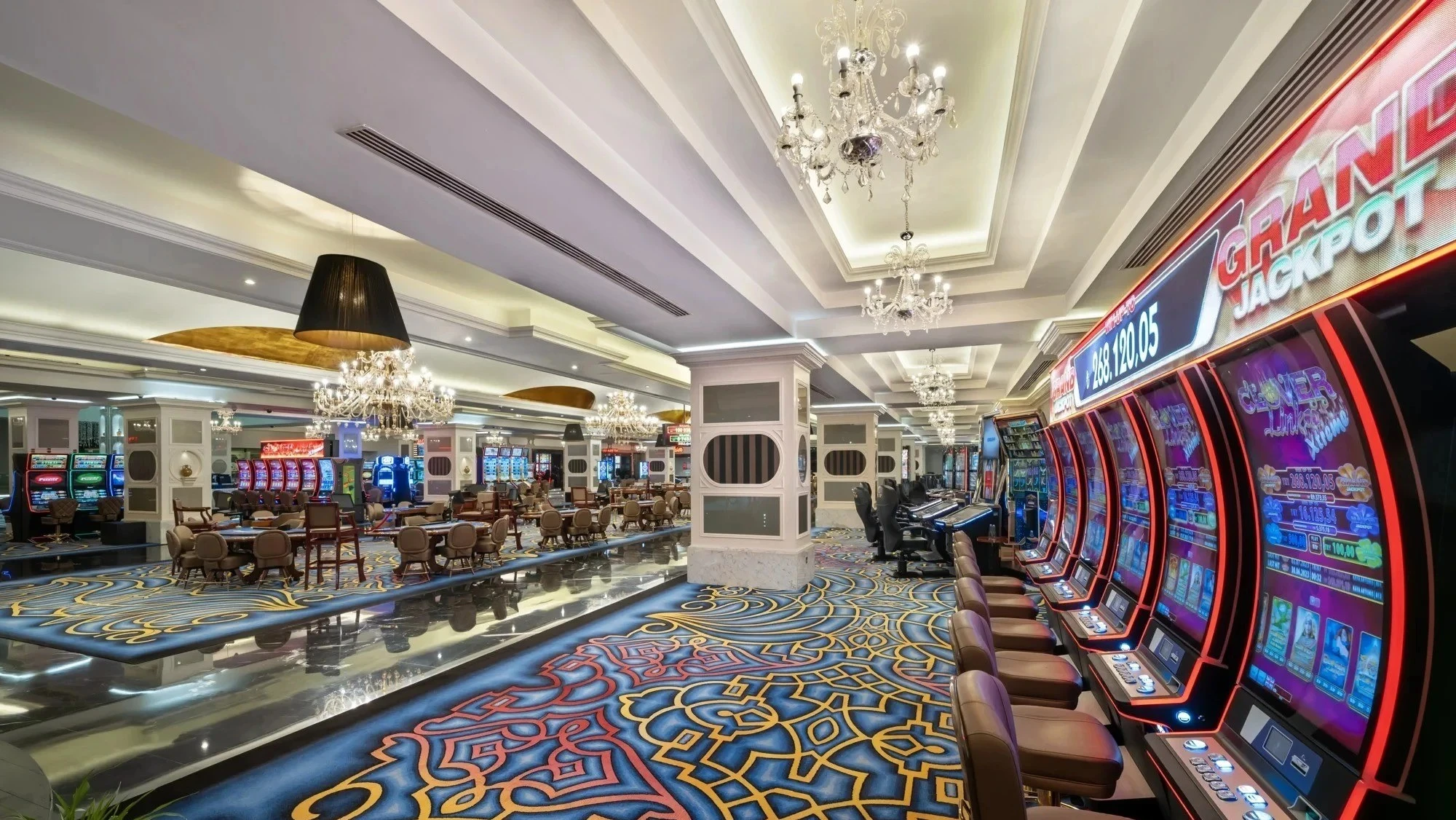
Off-the-shelf carpet rarely captures the nuance of a resort's brand story. Custom patterns—whether abstract, geometric, or inspired by local landscape and culture—allow designers to create hotel interior carpets that are unmistakably tied to a specific property. This kind of bespoke carpet design turns flooring into a signature element rather than a background detail.
Sustainable and Responsible Material Choices
Sustainable flooring is no longer a niche request in hospitality projects; it's an expectation from developers, operators, and increasingly from guests themselves. Responsible material sourcing and thoughtful manufacturing practices allow designers to specify premium flooring materials without compromising on durability or aesthetic ambition, aligning environmental responsibility with the performance luxury hospitality demands.
Layered Textures for Depth and Comfort
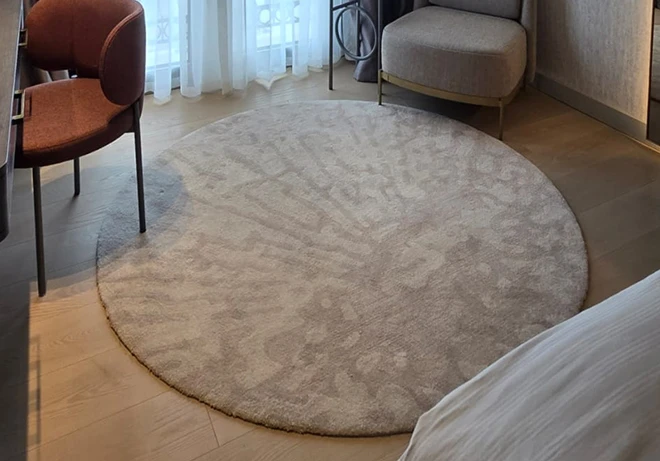
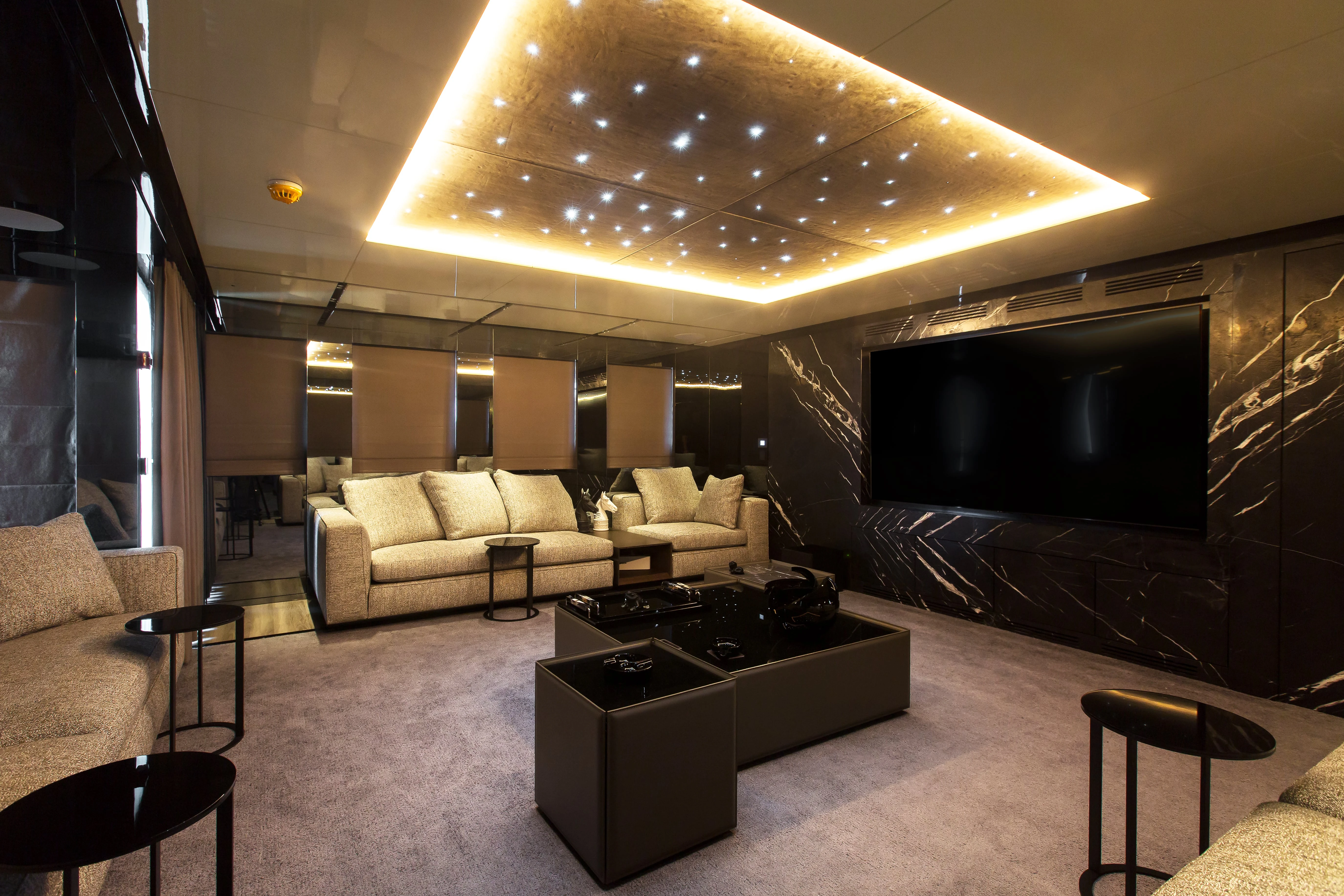
Textured carpets that combine varying pile heights, cut-and-loop construction, or mixed fibers add visual and physical depth to a space. This layering creates warmth and richness underfoot, particularly in guest rooms, suites, and lounge areas where comfort directly shapes the guest experience. Texture also helps flooring read as intentional rather than incidental, even in expansive open-plan spaces.
Flooring That Supports Wellness-Focused Spaces
As wellness hospitality becomes a defining category rather than a single amenity, flooring in spas, fitness studios, and quiet lounges is being specified with acoustic performance and sensory comfort in mind. Softer textures, muted tones, and sound-dampening constructions all contribute to spaces designed to slow guests down rather than move them through quickly.
Balancing Aesthetics, Durability, and Guest Experience
The most successful hospitality flooring reconciles two priorities that can sometimes feel at odds: distinctive design and everyday durability. Lobbies, corridors, and ballrooms endure heavy foot traffic, rolling luggage, and constant cleaning cycles, so commercial flooring intended for these areas needs to perform well beyond the showroom sample. Designers weighing custom hotel carpet options typically evaluate fiber resilience, soil resistance, and maintenance requirements alongside color and pattern—because a striking design that wears poorly within a few years ultimately undermines both guest experience and long-term operational value.
How Custom Flooring Helps Create Memorable Resort Experiences
Bespoke carpet design gives hospitality teams the freedom to move beyond generic hospitality carpet options and create flooring that feels custom-built for a specific property, from a signature lobby medallion to a color story that runs consistently through guest corridors and suites. This level of custom carpet manufacturing allows every material decision—color, texture, pattern scale, fiber type—to support a unified design narrative. For designers exploring what's possible, browsing a portfolio of completed custom designs can offer a useful starting point for translating a concept into a manufacturable flooring solution.
Why Contempo Carpets Is a Trusted Partner for Hospitality Flooring
Contempo Carpets works closely with interior designers, hospitality architects, and resort developers to turn design concepts into flooring that performs as well as it looks. That collaborative process typically starts with understanding a property's brand identity and guest experience goals, then translating those priorities into custom patterns, colorways, and constructions suited to specific hospitality environments—from high-traffic lobbies to intimate wellness spaces. With manufacturing capabilities built around bespoke hospitality projects, Contempo Carpets supports design teams working across the full scope of the hospitality industry, helping ensure that flooring decisions hold up to both design scrutiny and daily operational demands.
These emerging trends—organic textures, brand-driven patterns, responsible materials, layered comfort, and wellness-oriented design—are reshaping how luxury resorts think about flooring, not as a finishing touch but as a defining element of guest experience and brand identity. As hospitality design continues to evolve, the properties that treat flooring as a strategic design decision, rather than a late-stage selection, are the ones creating spaces guests remember long after checkout.
Curious what's next in hospitality flooring design? Explore the 2026 Trendbook from Contempo Carpets for a closer look at the patterns, textures, and materials defining luxury resort interiors.