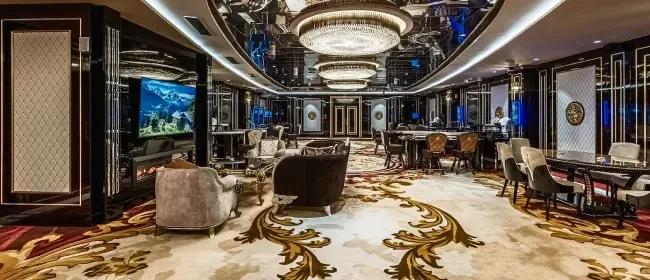
Sustainable Architectural Flooring Choices for Commercial and Hospitality Projects
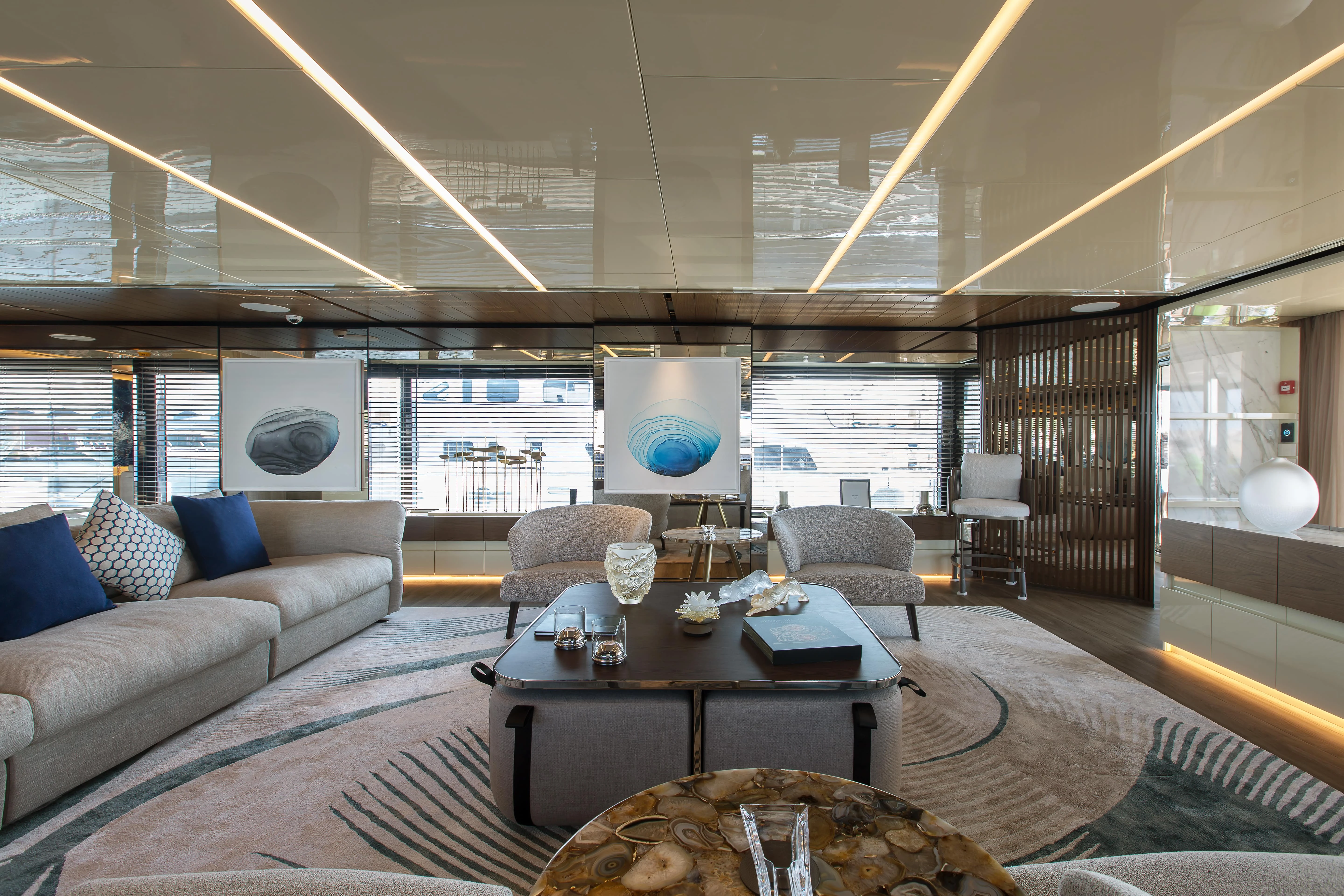
Environmental accountability has become a core parameter in commercial architecture and real estate development. As project teams evaluate building envelopes, energy systems, and indoor environmental quality, interior surface finishes are subject to increasing scrutiny. Architectural floor coverings cover thousands of square meters in a typical hotel, office tower, or civic venue, making their material composition and lifecycle profile central to a project's overall sustainability footprint.
Achieving a sustainable specification is rarely a matter of picking a single material labeled with eco-friendly claims. Instead, architects, developers, and FF&E procurement managers must evaluate flooring through a multi-dimensional framework that considers raw material sourcing, production efficiency, mechanical durability, maintenance demands, and long-term project requirements.
What Makes Commercial Carpet a Sustainable Flooring Choice?
Evaluating a sustainable commercial carpet requires looking beyond marketing terminology to examine how a product performs over its entire operational life. A floor covering cannot be defined as sustainable based on a single attribute, such as containing recycled content or using natural fibers, if it fails prematurely under commercial foot traffic.
A holistic evaluation framework includes assessing:
-
Raw Material Extraction & Origin: Evaluating whether fibers derive from rapidly renewable natural resources or responsibly processed synthetic polymers.
-
Manufacturing Efficiency: Analyzing energy usage, water consumption, chemical management, and waste containment during fiber processing and carpet fabrication.
-
Physical Durability: Determining how well the carpet retains its pile structure, tuft lock, and appearance, as extending replacement cycles is a direct path to resource conservation.
-
Operational Maintenance: Assessing the water, energy, and chemical inputs required to keep the surface clean during daily operations.
-
End-of-Life & Circularity: Understanding options for material diversion, secondary recycling, or closed-loop processing at the end of the carpet's service life.
Evaluating these factors across both the product and project lifecycle ensures that sustainability goals align with real-world performance expectations.
Material Selection and the Environmental Profile of Commercial Carpets
Fiber composition establishes the foundation for both physical performance and environmental impact. Different fiber types offer distinct operational characteristics, and specifiers must weigh their environmental trade-offs against project demands.
Natural fibers like pure wool bring distinct natural credentials to commercial interiors. Wool is a naturally renewable, biodegradable fiber with an outer scale structure that naturally repels water and soil. This inherent soil-hiding capability reduces the need for aggressive chemical cleaning agents over time. Additionally, wool features high natural flame retardancy, eliminating the need for synthetic flame-inhibiting additives in many applications.
Synthetic options, such as solution-dyed polyamide (nylon), offer high tensile strength and colorfastness under harsh cleaning regimes and direct sunlight. Incorporating recycled content into synthetic carpet face yarns or backing systems helps divert post-industrial and post-consumer waste from landfills.
Ultimately, no single fiber represents a universally superior environmental choice for every application. Selecting between wool, synthetic blends, or recycled polymer constructions depends on balancing spatial traffic levels, acoustic goals, maintenance capabilities, and project-specific environmental objectives.
How Atelier Manufacturing Can Support Sustainable Flooring Strategies
Bespoke and atelier production models offer distinct operational advantages over mass-market broadloom manufacturing when developing tailored architectural specifications.
Through sustainable atelier production, project teams can order exact quantities tailored to complex floor plans, reducing excessive offcuts. Custom engineering allows manufacturers to adjust pile density, yarn weight, and backing options specifically for high-traffic corridors versus low-impact private suites, optimizing raw material distribution within a single building.
Working with an experienced manufacturing partner like Contempo Carpets allows specifiers to coordinate design development, material selection, and broadloom dimensions directly with the mill. Learn more about our manufacturing standards, custom weaving approach, and technical capabilities on our About Us page.
Sustainable Hotel Flooring: Balancing Design, Performance and Lifecycle Considerations
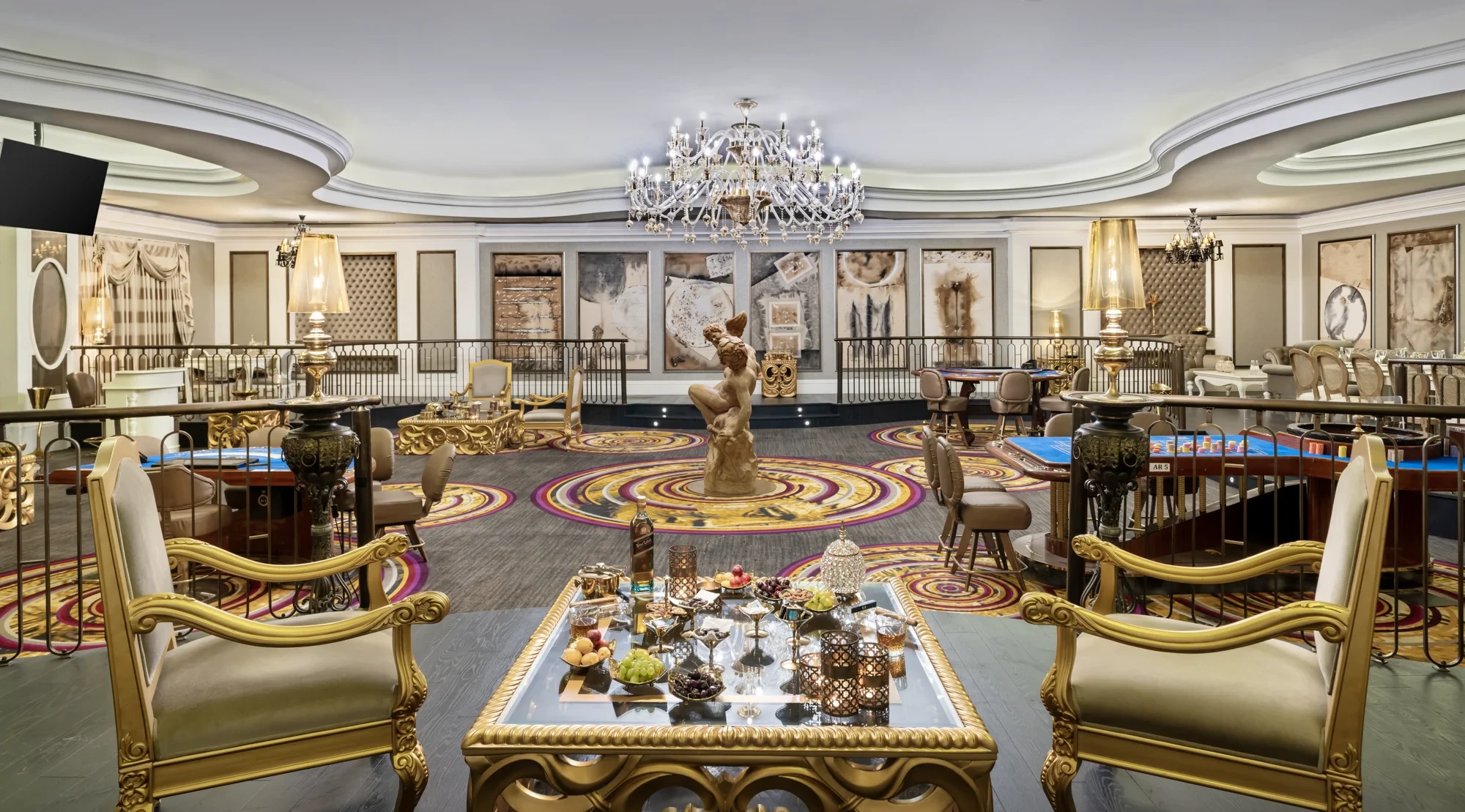
Hospitality interiors present demanding performance requirements. Floor coverings in guestrooms, corridors, ballrooms, and dining areas must maintain high visual appeal while enduring continuous foot traffic, luggage trolley abrasion, and frequent housekeeping regimes.
Specifying sustainable hotel flooring requires aligning aesthetic concepts with physical durability across distinct operational zones:
-
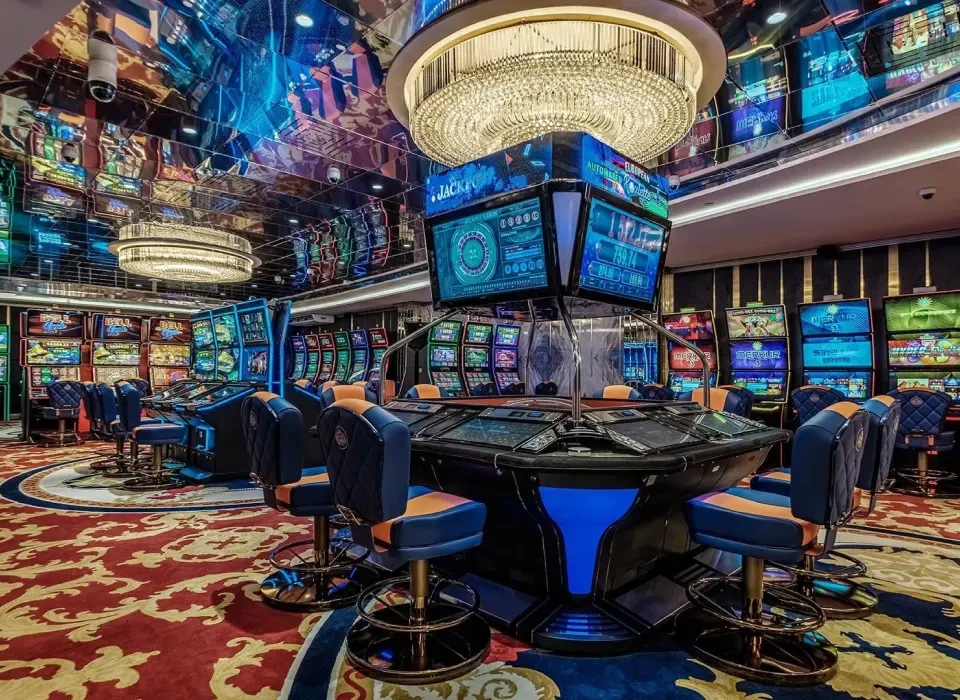
Corridors & Public Transit Areas: High-impact zones require ultra-dense woven Axminster or high-density broadloom constructions. Investing in high tuft density extends replacement cycles, reducing long-term material turnover.
-
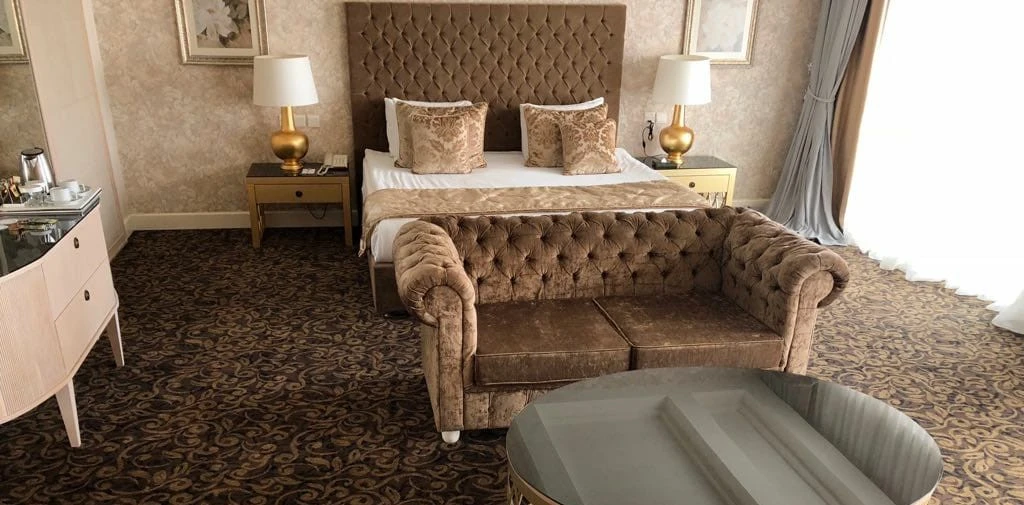
Guestrooms & Private Suites: Lower traffic intensity allows specifiers to prioritize tactile comfort, natural wool fiber blends, and enhanced acoustic cushioning.
-
Lounges & Dining Spaces: Require fiber compositions paired with dense pile constructions that accommodate frequent spot cleaning without surface degradation.
Integrating carpet specifications with dedicated maintenance strategies ensures that floor coverings retain their visual character, supporting long-term operational performance in the hospitality industry.
Green Building Carpet and Environmental Certification Considerations
Specifying an eco friendly commercial floor covering frequently intersects with formal green building rating systems, such as LEED, BREEAM, or WELL building standards.
When evaluating green building carpet options, architects and project managers should clarify the distinction between product-level documentation and building-level certification:
-
Material Transparency: Product data sheets, environmental declarations, and indoor air quality test reports provide verifiable data regarding VOC emissions and material ingredients.
-
Indoor Air Quality: Selecting low-VOC carpet systems and low-emission adhesives contributes to healthier indoor air conditions for building occupants.
-
Building Certification Credits: Using documented, low-emitting, or recycled-content materials supports a project’s broader point collection under specific green building rating frameworks, but no individual carpet product can single-handedly guarantee building certification.
Reviewing technical documentation early in the specification process ensures that chosen materials satisfy project compliance targets without delaying procurement schedules.
Specification Questions Architects and Procurement Managers Should Ask
To build a thorough sustainability audit for commercial projects, procurement teams should evaluate the following key criteria:
-
What is the complete fiber and backing composition? Verify the exact breakdown of face yarns, primary backing, secondary backing, and secondary adhesives.
-
Is the construction engineered for the specific traffic volume? Match pile density and row counts to expected footfall to avoid premature pile crushing and premature replacement.
-
What cleaning protocols are required? Confirm that routine maintenance relies on standard vacuuming and neutral cleaning agents rather than harsh chemical treatments.
-
Can roll widths and pattern drops be customized? Work with the manufacturer to align loom dimensions with site floor plans to minimize material waste during installation.
-
What documentation is available to support project compliance? Request technical data sheets covering VOC emissions, fire safety, acoustic ratings, and material origin.
Reviewing these specification criteria ensures that environmental objectives align with structural durability in commercial enterprises.
Choosing Sustainable Commercial Carpet as Part of a Wider Project Strategy
Achieving a sustainable floor specification requires treating carpet as an integrated component of the building's architectural strategy. By connecting creative intent, fiber mechanics, loom engineering, maintenance planning, and spatial traffic profiles early in the design development phase, project teams can select materials that perform reliably over their intended service life.
Early collaboration between architects, procurement managers, and technical carpet specialists helps resolve technical questions before broadloom production begins, ensuring that aesthetic ambitions, performance requirements, and environmental goals are fully aligned.
Plan a More Considered Flooring Specification
Developing sustainable, high-performance floor coverings for commercial and hospitality projects requires balancing design intent with physical material science. Whether you are detailing a luxury hotel renovation, specifying a multi-story office development, or designing a civic venue, our technical team is ready to support your project requirements.
Discuss Your Sustainable Flooring Requirements with the specialist team at Contempo Carpets to request custom strike-offs, order physical yarn samples, or schedule a technical specification consultation for your upcoming project.