Commercial Flooring Solutions for High-Traffic Retail Developments
Retail flooring works harder than almost any other surface in a commercial building. It absorbs the constant flow of shoppers, shopping carts, delivery equipment, and daily maintenance routines, all while still needing to look polished enough to support the brand experience a retailer has built everything else around. For developers and project managers planning a retail fit-out or renovation, flooring isn't a line item to finalize late in the process it's a decision that shapes customer experience, maintenance costs, and how the space holds up years after opening day.
This guide walks through what makes commercial flooring solutions effective in high-traffic retail environments and how to evaluate options with both performance and design in mind.
Why High-Traffic Retail Spaces Require Specialized Flooring
Retail environments see a volume and pattern of foot traffic that most other commercial spaces don't. A flagship store or shopping center corridor might handle thousands of footsteps a day, concentrated in predictable paths near entrances, checkout areas, and popular displays. That concentrated wear accelerates the aging process of standard flooring far faster than in office or residential settings.
On top of foot traffic, retail spaces face frequent cleaning cycles, spills, and in many locations exposure to outdoor debris tracked in from parking lots and sidewalks. Flooring has to withstand all of that without losing the polished appearance retailers depend on to reinforce their brand, which is why generic commercial carpet solutions built for lower-traffic environments often fall short in a retail setting.
Key Features of Effective Commercial Flooring Solutions
Durability and Wear Resistance
Retail flooring needs construction and fiber choices engineered specifically for sustained heavy use. Dense, tightly constructed carpet or contract-grade materials resist crushing and matting far better than standard options, helping a space maintain a presentable appearance well beyond the first year of daily traffic.
Design Flexibility
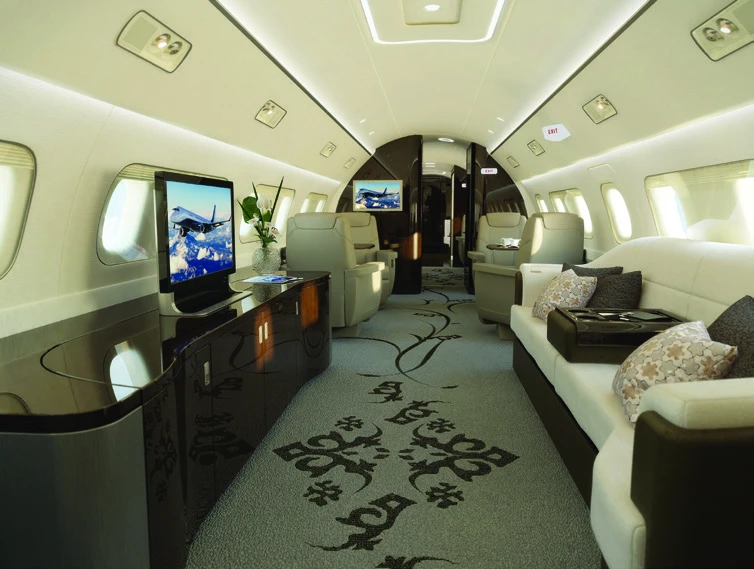
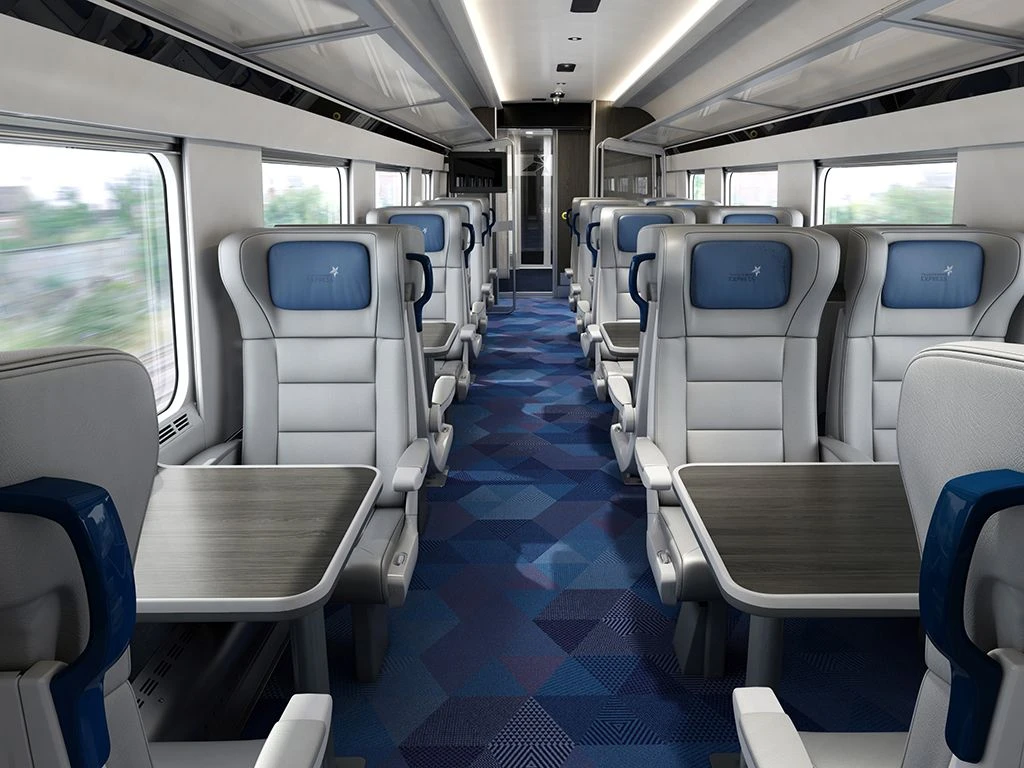
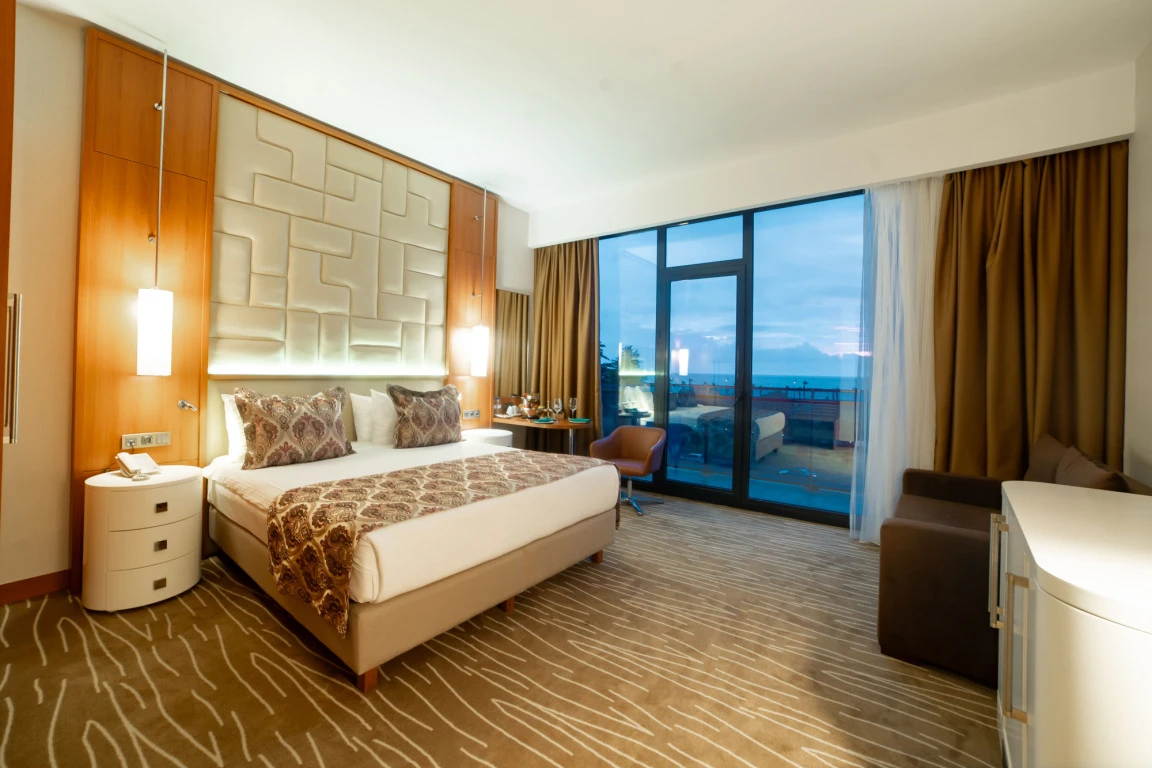
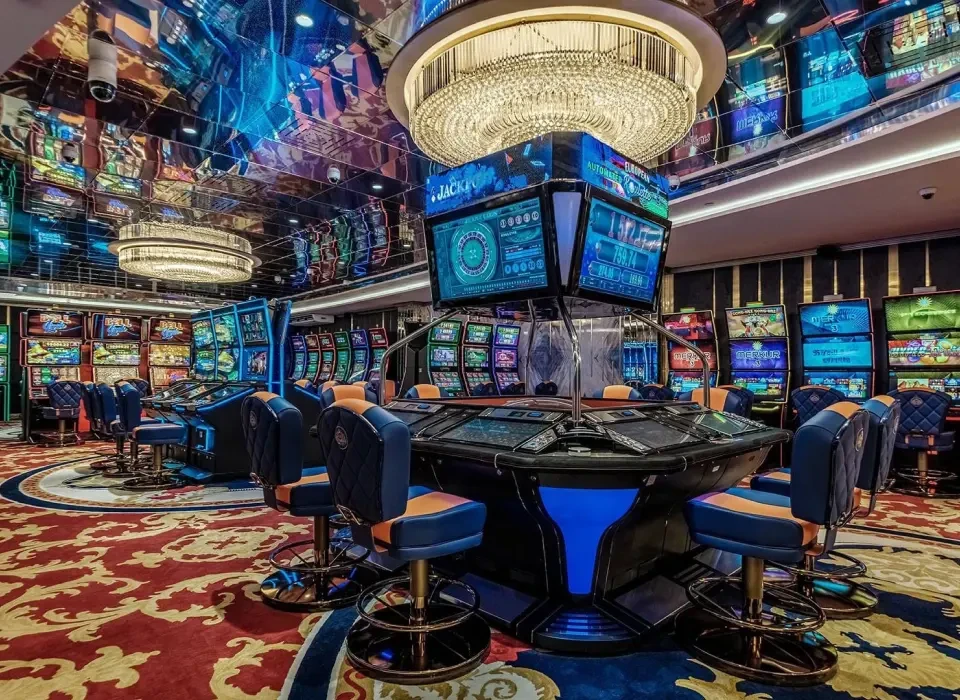
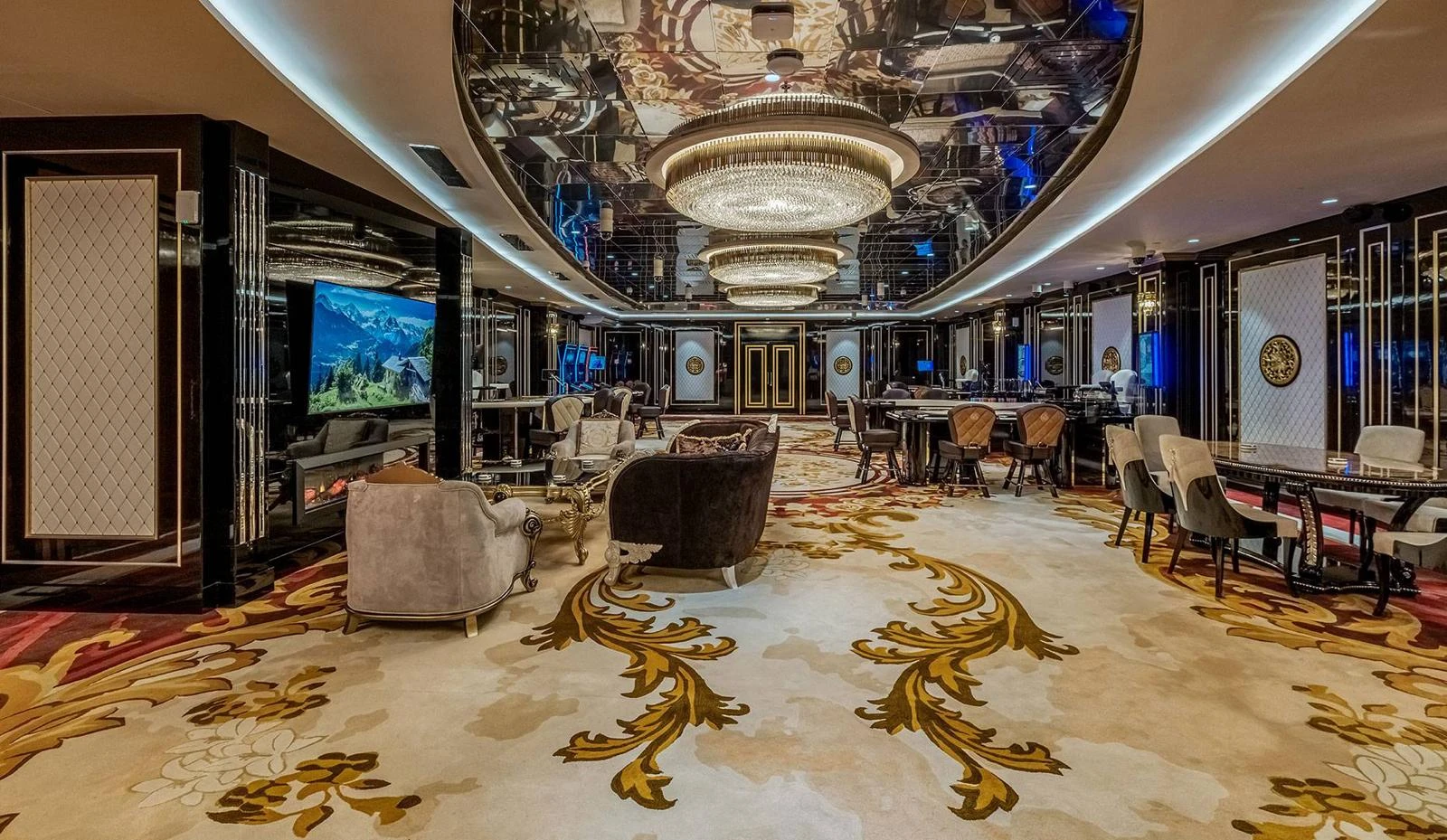
Flooring plays a direct role in reinforcing brand identity, from color palettes tied to a retailer's visual language to custom patterns that guide customer flow through a store layout. Custom flooring solutions give retail designers the flexibility to align flooring with a broader interior design vision rather than settling for a generic look.
Ease of Maintenance
High-traffic retail spaces can't afford flooring that demands specialized equipment or lengthy downtime to clean. Materials suited to frequent, straightforward maintenance routines help retailers keep spaces looking sharp without disrupting daily operations or incurring excessive upkeep costs.
Comfort and Acoustic Performance
Comfort underfoot affects how long customers linger in a space, while acoustic performance influences how a retail environment sounds during peak hours. Carpet contributes to both, softening footstep noise and reducing the harsh, echoing feel that hard flooring can create in large open retail floors.
Safety and Slip Resistance
Entryways, transition zones, and areas near exterior doors face elevated slip risk from moisture and tracked-in debris. Flooring specified for these zones should account for documented slip-resistance performance appropriate to the space, reducing risk for both customers and retail staff.
Why Retail Contract Carpet Remains a Popular Choice
Despite the range of flooring materials available, retail contract carpet continues to hold a strong position in high-footfall environments. It offers a level of design versatility color, pattern, texture that's difficult to match with harder flooring surfaces, while also contributing comfort and acoustic benefits that improve the overall shopping experience. For retailers focused on branding, contract carpet provides an opportunity to extend visual identity into the floor itself, whether through a subtle logo pattern near an entrance or a custom colorway matched to a broader store concept.
How to Choose the Right Flooring for Retail Developments
Selecting flooring for a retail project starts with an honest assessment of traffic levels a flagship location in a busy urban corridor faces different demands than a boutique store in a lower-traffic setting. Store layout matters too, since high-wear zones like entrances and checkout lines may call for different specifications than quieter display areas. Maintenance expectations should be discussed early, aligning flooring choices with the cleaning resources a retailer or facility management team actually has in place. Brand identity deserves equal weight in the decision, since flooring is one of the most visible surfaces shaping how customers perceive a space. Finally, evaluating lifecycle costs not just upfront pricing helps developers understand the true long-term value of one flooring option over another, particularly for luxury retail environments where appearance and durability both carry significant weight.
Why Contempo Carpets Is a Trusted Partner for Commercial Flooring Solutions
Contempo Carpets works with developers, architects, and retail designers to deliver flooring built for the realities of high-traffic commercial spaces, combining durable retail flooring with design options tailored to a brand's specific identity. The team's broader experience supporting projects across commercial enterprises reflects a practical understanding of how retail environments function day to day, from entryways that see constant foot traffic to display areas where design details matter just as much as performance.
Let's Talk Through Your Retail Project
Choosing flooring for a high-traffic retail development ultimately comes down to balance durability that withstands daily wear, design that reinforces brand identity, and maintenance requirements that fit realistically into day-to-day operations. Getting that balance right from the start helps retail spaces stay presentable and functional for years, rather than requiring costly replacement well ahead of schedule.
Every retail space has different traffic patterns, design goals, and budget constraints. Book a commercial consultation to talk through the flooring approach that fits your next development.