How Bespoke Carpet Commissions Move from Concept to Finished Floor Coverings
Creating a bespoke floor covering for a luxury hotel, corporate headquarters, or high-end commercial interior is a deliberate balancing act. It requires unifying pure aesthetic vision with rigorous technical execution. Unlike off-the-shelf running line products, a custom textile must respond precisely to a space’s unique geometry, foot traffic requirements, lighting conditions, and broader interior narrative.
At Contempo Carpets, we approach every commission not simply as a manufacturing order, but as an ongoing creative and technical partnership. Navigating the custom carpet design process efficiently requires translating an initial, highly creative concept into a durable, beautifully crafted floor covering that meets every demand of a commercial environment.
Where a Custom Carpet Concept Begins
Every tailored carpet commission begins with an idea. In hospitality and commercial design, inspiration rarely starts on a carpet grid. Instead, it originates from an architectural schematic, an interior mood board, a brand's visual identity, a custom material palette, or even a piece of fine art.
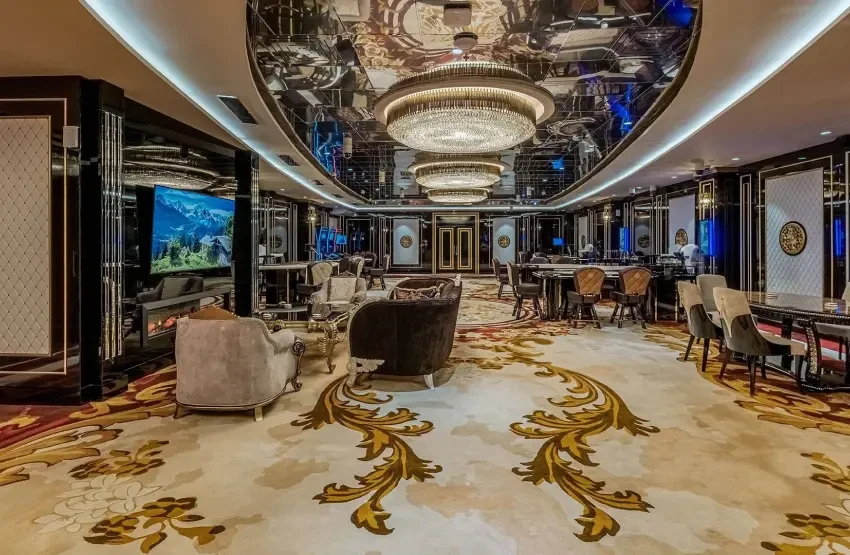
Before diving into pattern rendering, it is essential to establish a deep understanding of the intended spatial environment. A grand hotel ballroom demands a vastly different structural and visual approach than a boutique hotel corridor or an executive boardroom. During these early stages of bespoke flooring development, the primary goal is to capture the designer's creative intent while assessing practical factors—such as spatial flow, ambient lighting, and functional zoning—ensuring the initial concept can be meaningfully translated into a high-performance floor covering.
Translating Design Intent into a Carpetable Pattern
A compelling two-dimensional artwork or digital mood board does not automatically translate into a functional floor covering. Transforming an initial creative vision into a physical carpet requires meticulous pattern translation.
During this critical design-development phase, several structural considerations come into play:
-
Pattern Scale and Repeat: Adjusting motifs so they scale appropriately across vast open expanses or narrow, winding corridors without feeling visually overwhelming or awkwardly clipped.
-
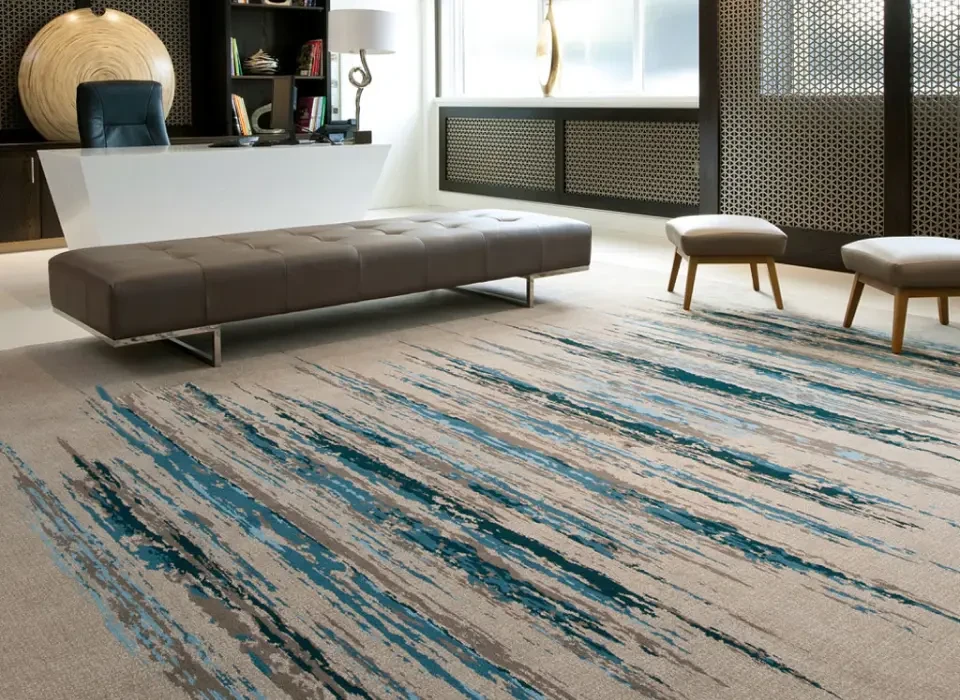
Colour Relationships: Managing contrast and tonal blending across different yarn types and pile heights to maintain visual depth under varying lighting conditions.
-
Spatial Proportions and Direction: Ensuring geometric or organic patterns align naturally with structural sightlines, architectural entryways, and fixed furniture layouts.
-
Transitions: Designing seamless visual or physical shifts between distinct operational zones, such as moving from a quiet lounge area into a bustling dining venue.
Through thoughtful balance, the original design vision is preserved while adapting naturally to the physical characteristics of textile manufacturing.
Choosing the Right Construction for the Design
Construction should never be an afterthought applied to completed artwork. Instead, selecting the appropriate manufacturing method must be treated as an integral component of the overall design phase. The chosen construction dictates color clarity, pattern definition, tactile depth, and long-term performance under traffic.
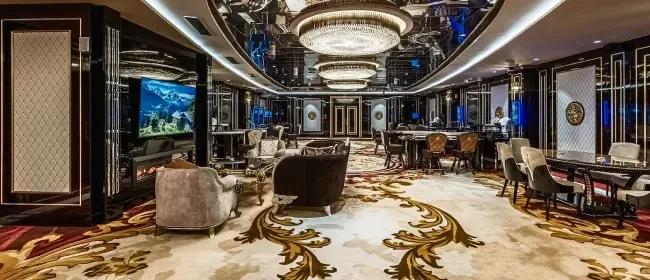
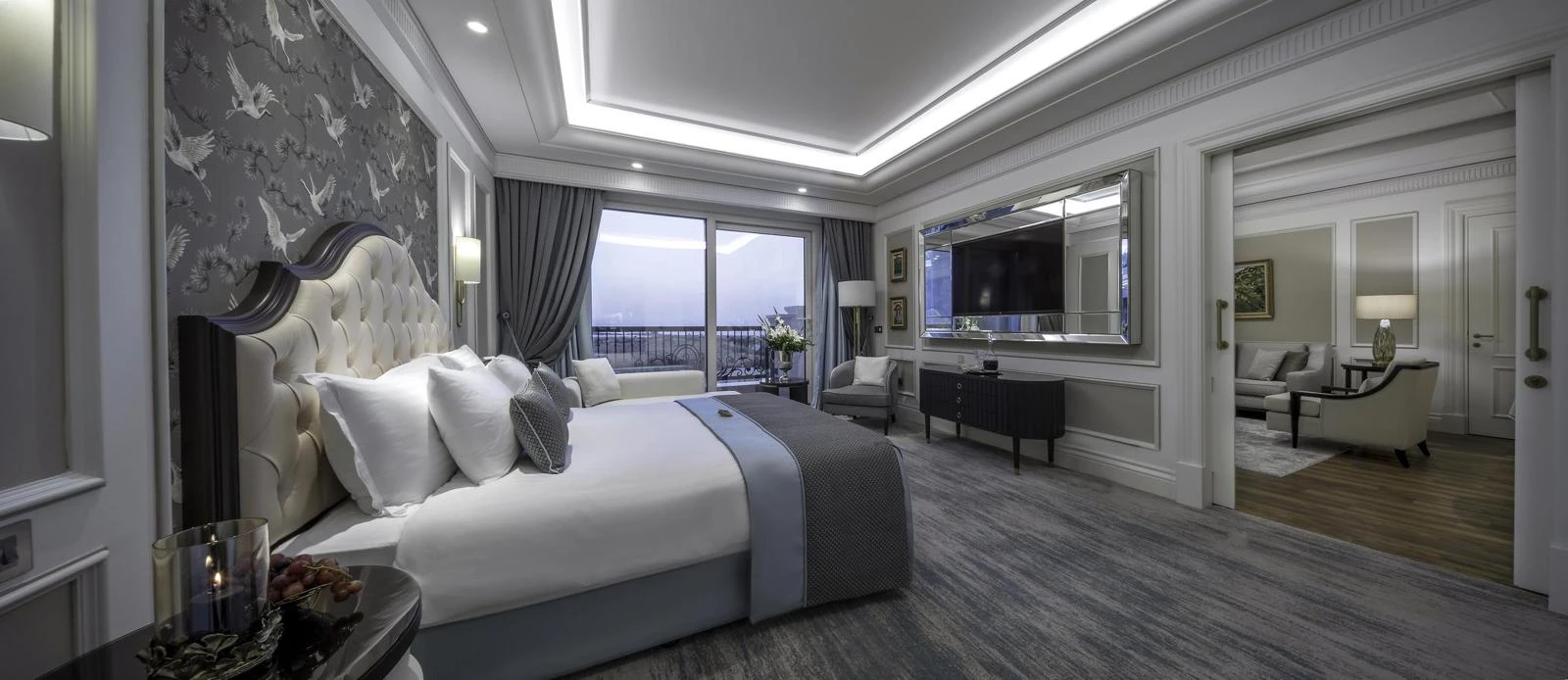
For high-traffic hospitality venues such as ballrooms and major circulation corridors, woven Axminster constructions offer exceptional dimensional stability and intricate color mixing. In contrast, guest rooms or executive suites may benefit from custom tufted or hand-tufted methods that accommodate varied pile heights, sculpted textures, and luxurious underfoot comfort. Matching the aesthetic ambitions of a project with the appropriate structural build guarantees that the carpet delivers both visual impact and functional longevity across its entire lifecycle.
From Digital Artwork to Physical Samples
While high-resolution digital renders are invaluable for early spatial planning, a screen can never fully convey how light interacts with physical yarn, or how subtle variations in pile texture alter color perception. Transitioning from digital CADs to physical sampling is a non-negotiable step in the custom carpet design process.
Creating physical strike-offs allows architects, specifiers, and clients to evaluate yarn samples, texture variations, and true color matches directly within the project site's real-world lighting conditions. This iterative testing stage provides a crucial hands-on check, allowing fine adjustments to be made to yarn density, color saturation, and pile height before full-scale production begins.
Refining the Design Through Collaboration
Bespoke carpet manufacturing relies on active collaboration. Transforming an initial vision into a fully realized flooring scheme requires ongoing communication between interior designers, architects, procurement agents, and technical floor specialists.
"Successful custom flooring relies on an open feedback loop. By fine-tuning pattern density, scale, and color specs together, technical adjustments enhance—rather than compromise—the original design vision."
Whether adjusting a pattern repeat to avoid furniture placement or refining a color drop to better harmonize with adjoining wall coverings, treating the manufacturer as a collaborative technical partner streamlines project delivery and eliminates costly site-level surprises.
Turning an Approved Design into a Manufacturing Specification
Once the physical strike-off achieves final client sign-off, the visual concept must be converted into an uncompromised manufacturing specification. This technical document bridges the gap between creative approval and factory production.
A comprehensive manufacturing specification details exact yarn compositions, precise color references (using standardized color systems), tuft density, pile height, total weight, pattern repeat dimensions, and finished roll schedules. Establishing these clear parameters ensures absolute precision during production, guarantees compliance with commercial fire and safety regulations, and provides a clear blueprint for the installation team.
Custom Carpet Manufacturing and Atelier Production
With technical specifications locked, the project moves into active production. In the realm of atelier production, craft expertise meets rigorous manufacturing control.
Executing custom carpet manufacturing successfully requires strict coordination across every stage of fabrication. Raw materials are custom-dyed to match approved color standards, machinery is precision-calibrated to execute unique pattern dimensions, and structural backings are applied to match physical stability requirements. Rigorous quality control checks occur throughout—from yarn dyeing verification to post-shearing inspections—ensuring color consistency, dimensional stability, and pile integrity before any finished goods leave the facility floor.
Preparing Bespoke Floor Coverings for the Project
The manufacturing journey does not end when the carpet leaves the loom. A tailored carpet must be planned with site delivery and installation firmly in mind.
Early coordination between design teams, manufacturers, and flooring contractors prevents costly installation errors. Detailed seaming diagrams, precise roll numbering, and explicit pattern-matching guides must be developed well in advance. Planning around room transitions, structural columns, corridor intersections, and drop-off logistics ensures that complex pattern repeats align effortlessly across expansive floor plates.
Why the Custom Carpet Design Process Matters
Developing a bespoke floor covering involves far more than printing a custom pattern onto a textile backing. It is a structured engineering process that synthesizes artistic expression, material science, precise manufacturing, and site-specific project management.
By respecting every phase of the custom carpet design process, interior designers and specifiers ensure their creative concepts are backed by structural durability, regulatory compliance, and seamless operational execution. When managed with technical precision, a custom floor covering elevated through tailored craftsmanship becomes a defining, long-lasting anchor for any commercial interior.
Bring Your Carpet Concept into Production
Whether you are developing a luxury hotel scheme, a corporate headquarters, or an exclusive boutique space, early collaboration is key to bringing your vision to life seamlessly.
Start Your Custom Carpet Project with Contempo Carpets today, and partner with our technical team to transform your initial concepts into exceptional bespoke floor coverings.
Take a look at other news and blog
Thus, our carpet manufacturing focuses on theneeds of our customers, ranging from the Hospitality industry, the Entertainment industry,Transport industry and Commercial enterprises as well.