Axminster vs. Hand-Tufted Carpets: Which Bespoke Carpet Installation Fits Your Project?
When specifying high-performance flooring for commercial and luxury hospitality projects, interior architects and FF&E procurement managers face a critical technical choice between manufacturing techniques. Among bespoke carpet solutions, Axminster and hand-tufted constructions represent two distinct engineering methods. Each offers unique advantages in design execution, structural integrity, lead times, and application suitability.
Understanding the technical nuances of an Axminster vs hand tufted carpet evaluation is essential. Neither technology is universally superior; rather, the optimal selection depends on the specific demands of the project, including traffic intensity, pattern complexity, scale, budget, and acoustic requirements.
Understanding Axminster and Hand-Tufted Carpet Construction
The fundamental difference between Axminster and hand-tufted carpets lies in how the yarn, primary backing, and structural foundation interact during fabrication.
How Axminster Carpets Are Manufactured
Axminster is a traditional woven carpet construction. On electronic Jacquard looms, the face yarn and the backing materials (warp and weft threads) are woven together simultaneously into a single unified matrix. Each tuft of wool or synthetic blend yarn is individually inserted, locked into place by the horizontal and vertical backing threads, and cut to length.
Because the pile and backing form an integrated structural unit, Axminster carpets resist delamination under heavy rolling loads and intense foot traffic. This woven process allows for intricate pattern definition, making it a cornerstone for large-scale hospitality carpet comparison evaluations.
How Hand-Tufted Carpets Are Manufactured
Hand-tufted carpet construction is a tufted, craft-driven process rather than a woven one. Artisans use a handheld pneumatic or electronic tufting gun to inject yarn loops into a pre-drawn primary backing cloth stretched across a frame.
Unlike woven carpets, the yarn is not tied or woven directly into the backing structure during insertion. Once the tufting is complete, a secondary backing layer—typically cotton canvas or secondary jute—is adhered to the back using a heavy application of synthetic latex compound. This latex bond locks the tufts into place. Hand-tufting allows for sculpting, multi-level loop and cut combinations, and varied pile heights within a single piece.
Axminster vs. Hand-Tufted Carpet: Key Technical Differences
Design and Pattern Flexibility
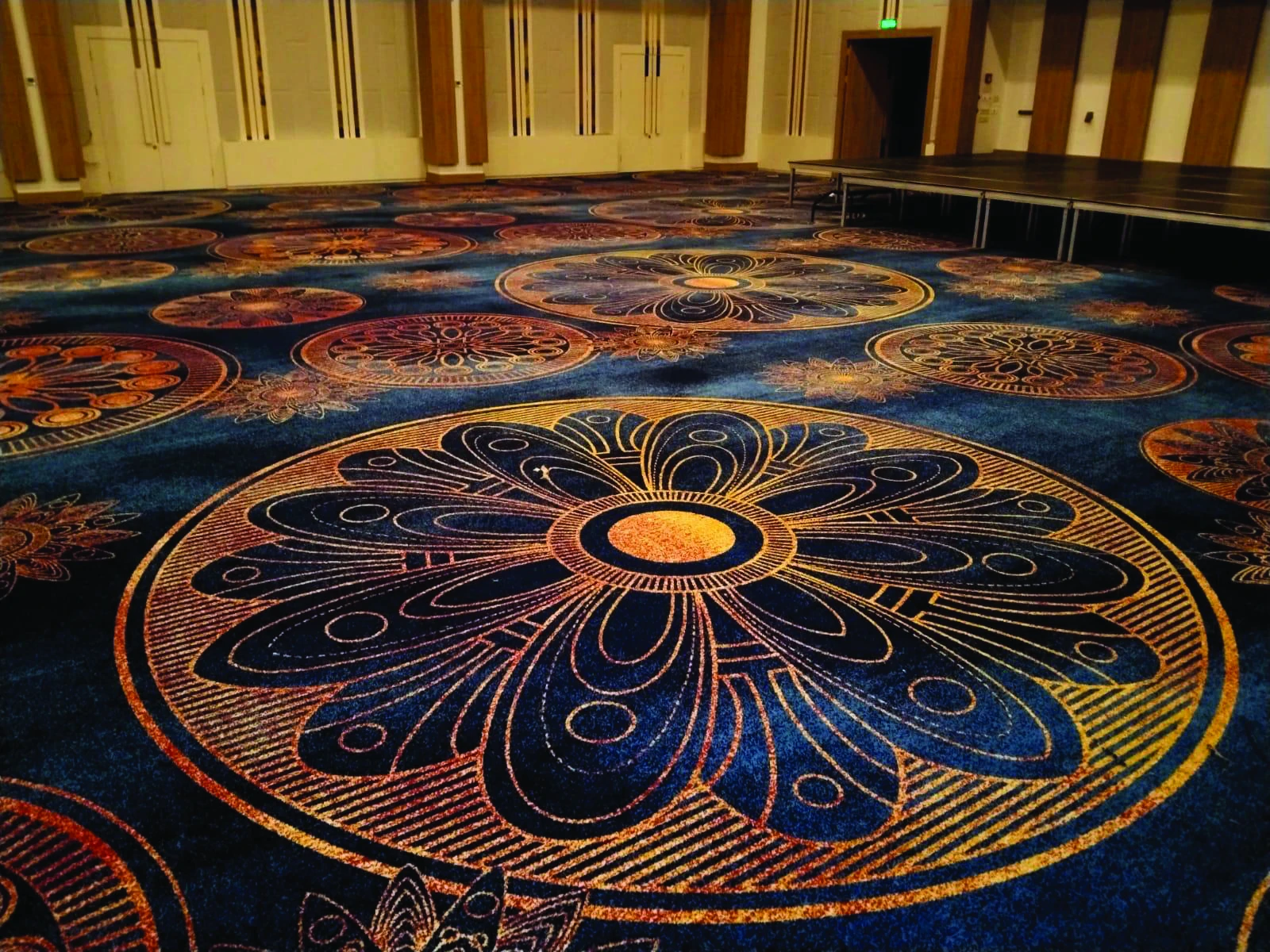
Axminster looms excel at complex, multi-colored two-dimensional pattern repeats. Modern Jacquard technology allows specifiers to incorporate up to 12 to 16 distinct colors in a single pass, defining crisp motifs and complex geometrics across broadloom widths without pattern distortion.
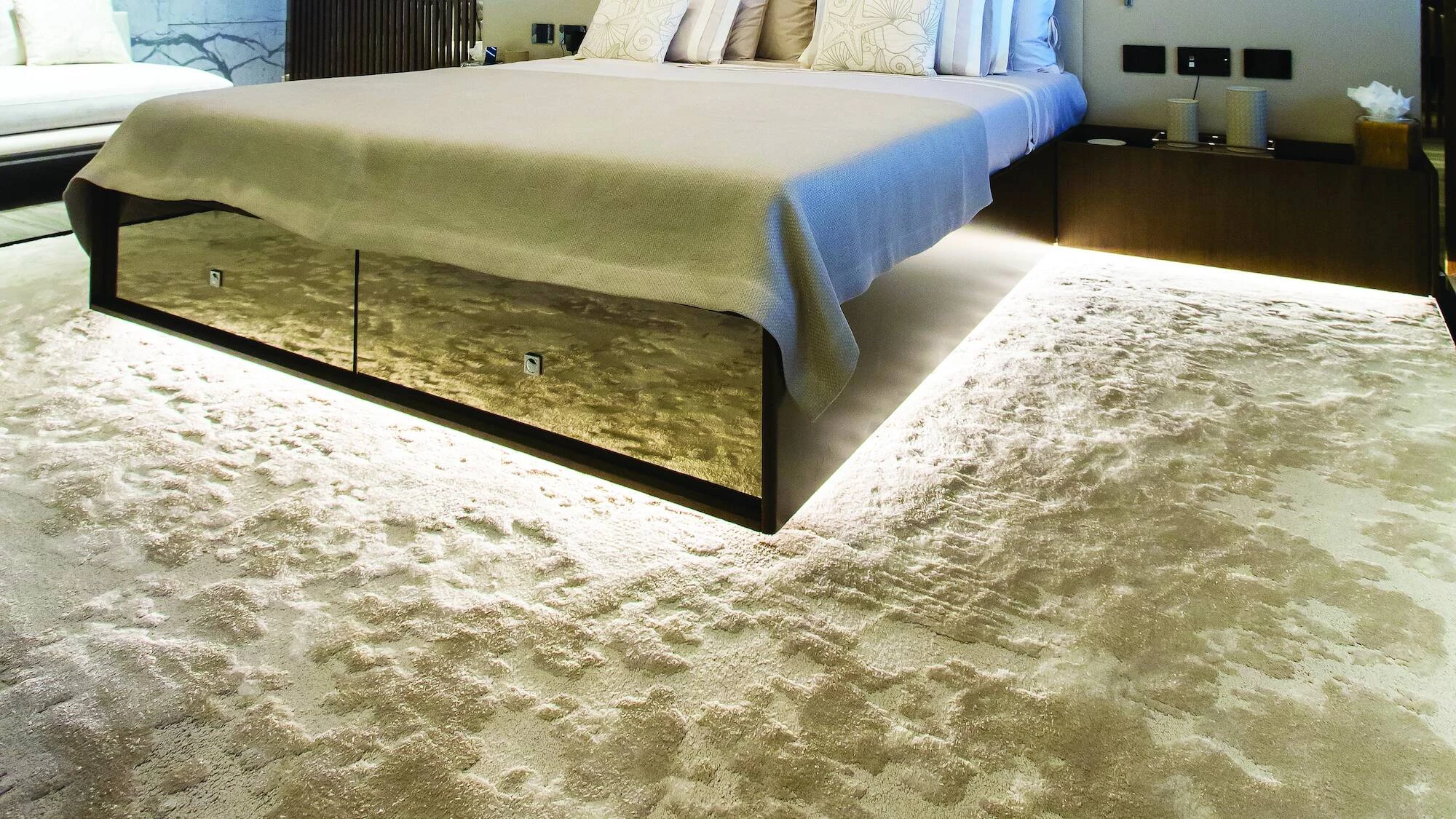
Hand-tufting offers three-dimensional design flexibility. Because artisans work manually across a stretched canvas, they are not constrained by fixed loom widths or uniform pile heights. Specifiers can combine high-cut piles with low loops, apply hand-carved beveling along color borders, and mix materials like silk, botanical silk, and wool within the same canvas.
Performance and Durability Considerations
The long-term performance of either specification depends on fiber quality, density, pile weight, and maintenance practices:
-
Axminster Performance: Woven construction offers high resilience against crushing, matting, and heavy wheel traffic (such as luggage carts and service trolleys). The mechanical interlock of yarn and backing ensures that individual tufts cannot be easily pulled out, providing exceptional structural life in high-traffic commercial zones.
-
Hand-Tufted Performance: Hand-tufted carpets provide a luxurious tactile experience underfoot. However, because tuft retention relies on latex adhesive, exposure to excessive moisture or aggressive mechanical agitation can degrade the backing over time if not correctly specified for the space.
Production, Quantity, and Project Requirements
Axminster production involves detailed loom setup and yarn creeling, making it efficient for medium-to-large-scale continuous yardage. For expansive hotel footprints, Axminster offers consistent dye-lot uniformity across hundreds of square meters.
Hand-tufting requires minimal mechanical setup, making it adaptable for small minimum order quantities, custom-shaped area rugs, or irregularly shaped architectural footprints where broadloom waste would be excessive.
Which Carpet Technology Works for Different Hospitality Projects?
Selecting between woven vs hand tufted floor covering options requires aligning the production method with the functional demands of each zone within a building.
Hotels and Luxury Hospitality Spaces
In high-end hotel environments, both technologies are frequently deployed side-by-side to fulfill different design and functional requirements:
-
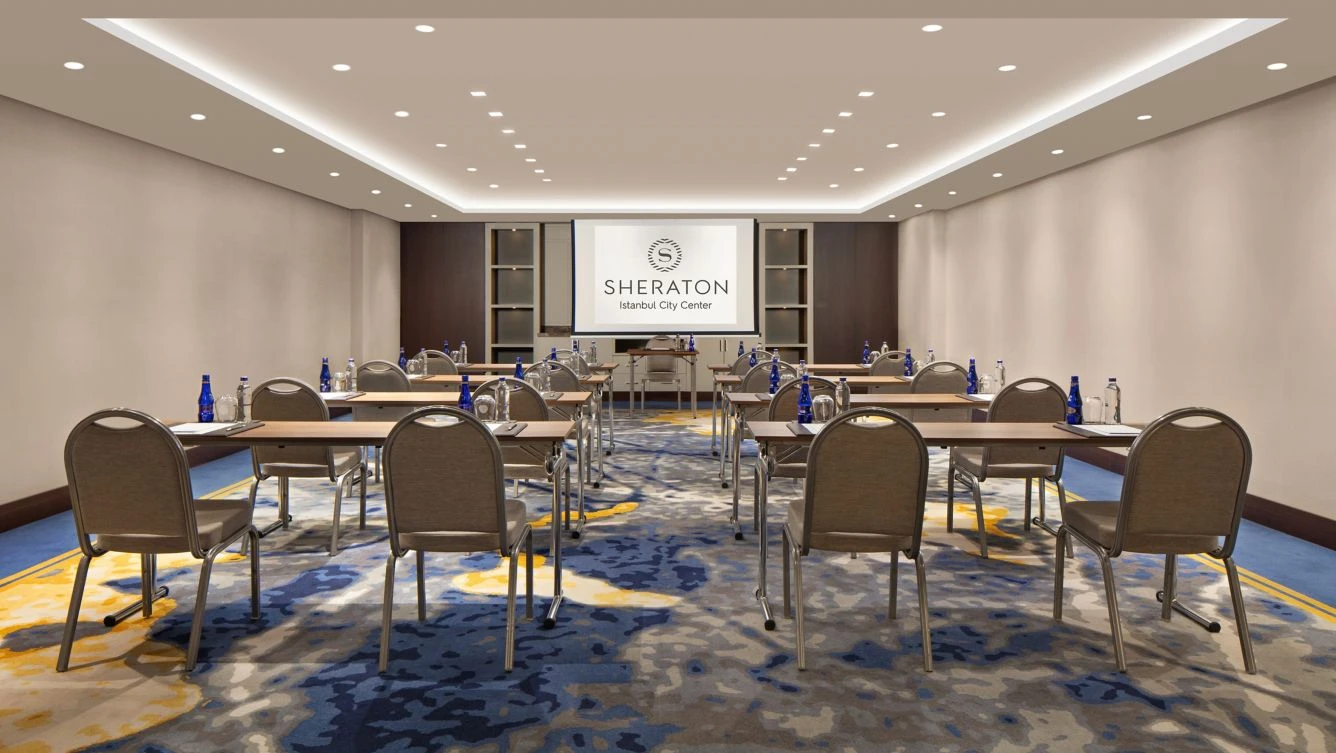
Grand Ballrooms and Pre-Function Spaces: High-density Axminster broadloom is often specified to accommodate heavy foot traffic, banquet seating setups, and rolling equipment while providing grand-scale aesthetic continuity.
-
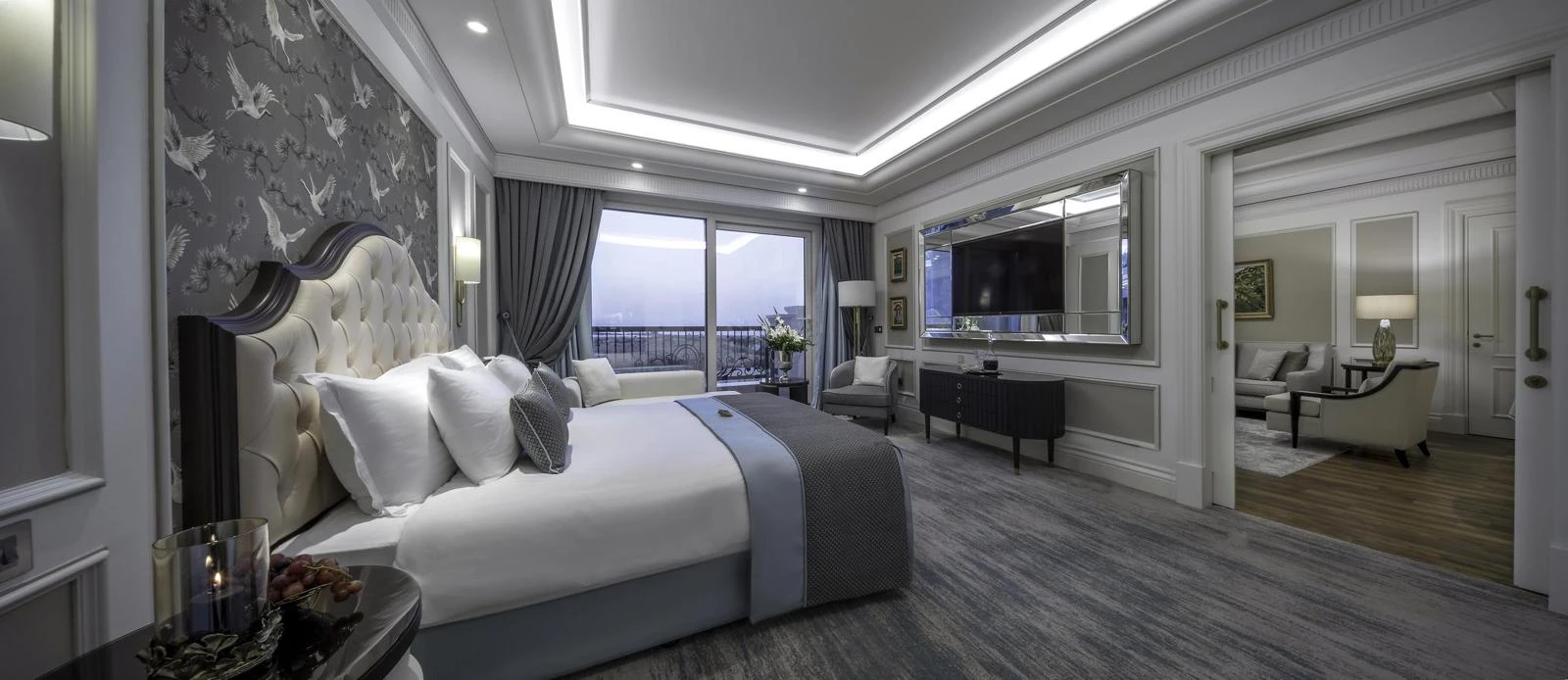
Presidential Suites and VIP Lounges: Hand-tufted wall-to-wall installations or inset rugs are frequently selected for private guest quarters, where hand-carved textures and plush underfoot comfort elevate the luxury experience.
For specialized guidance on tailoring floor coverings for hotel applications, explore our dedicated solutions for the hospitality industry.
Commercial and High-Traffic Environments
In corporate headquarters, institutional spaces, and public assembly buildings, durability and lifecycle maintenance dictate specification choices.
-
Corporate Boardrooms and Executive Offices: Hand-tufted area rugs add tactile warmth and prestige beneath conference tables, providing acoustic damping for sensitive meeting spaces.
-
Corridors, Lobbies, and Public Facilities: Woven Axminster broadloom delivers the structural stability required to withstand constant directional foot traffic, resisting tracking marks and maintaining pattern alignment over long corridors.
To review performance specifications for corporate installations, visit our section on commercial enterprises.
What Should Specifiers Consider Before Choosing a Bespoke Carpet?
Before finalizing a specification, project stakeholders should evaluate five primary operational parameters:
-
Traffic Volume & Type: Will the area experience static foot traffic or continuous rolling loads? High mechanical stress favors woven Axminster foundations.
-
Aesthetic Texture: Does the concept call for flat geometric patterns or multi-level sculptural depth? Three-dimensional relief requires hand-tufting.
-
Quantity & Waste Efficiency: For large open spaces, broadloom Axminster minimizes waste. For small, complex footprints or discrete rugs, hand-tufting reduces material off-cuts.
-
Lead Time & Site Deadlines: Evaluate raw material sourcing, sample approval workflows, and weaving schedules against the project installation window.
-
Maintenance & Cleaning Capabilities: Ensure the hotel’s facilities team is equipped to maintain the specified pile construction, particularly when managing multi-level loop textures.
Selecting the Right Bespoke Carpet Solution for Your Project
There is no single carpet manufacturing technology that suits every commercial application. A successful flooring scheme frequently integrates woven Axminster for high-traffic public areas with hand-tufted accent rugs for executive and residential zones.
By collaborating early with a dedicated manufacturer, specifiers can balance visual ambitions, technical performance, and budget parameters to deliver an enduring architectural installation.